




What's Happening?
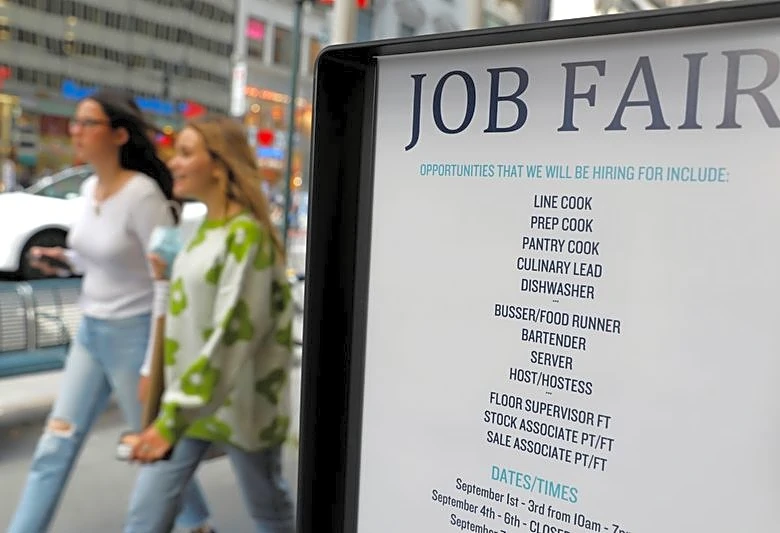
Mortgage rates in the U.S. have decreased slightly, ending a six-week period of increases. The average 30-year fixed mortgage rate is now 6.67%, down from 6.69% the previous week, according to Freddie Mac. This change follows weak jobs data and signs
of cooling inflation, which have reduced the likelihood of a Federal Reserve interest rate hike. Despite this decrease, mortgage rates remain high, potentially slowing housing activity in the latter half of the year. Zillow forecasts that rates may fall to 6.5% by the end of the year, but elevated borrowing costs are expected to continue affecting the housing market.
Why It's Important?
The slight decrease in mortgage rates is significant as it reflects broader economic conditions, including job market weaknesses and inflation trends. High mortgage rates have been a barrier for potential homebuyers, contributing to a slowdown in housing market activity. The Federal Reserve's decisions on interest rates are closely watched as they influence borrowing costs across the economy. A pause in rate hikes could provide some relief to the housing market, but the overall high rates still pose challenges for affordability and could dampen economic growth in the housing sector.
What's Next?
If the Federal Reserve decides to pause interest rate hikes, it could stabilize mortgage rates further, potentially encouraging more homebuying activity. However, the housing market may continue to face challenges due to high borrowing costs. Stakeholders, including homebuyers, real estate agents, and policymakers, will be closely monitoring economic indicators and Fed announcements for signs of future rate adjustments. The housing market's response to these changes will be critical in assessing the broader economic impact.