

What's Happening?
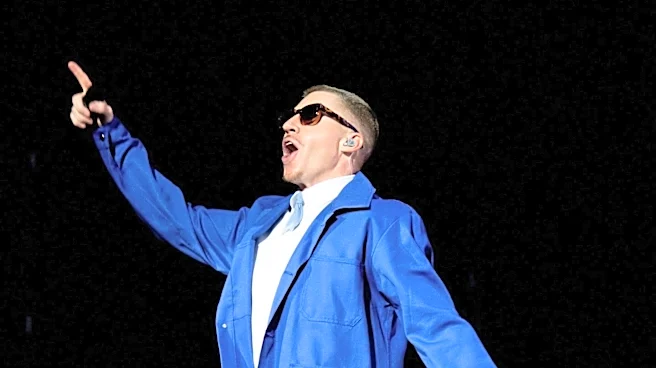
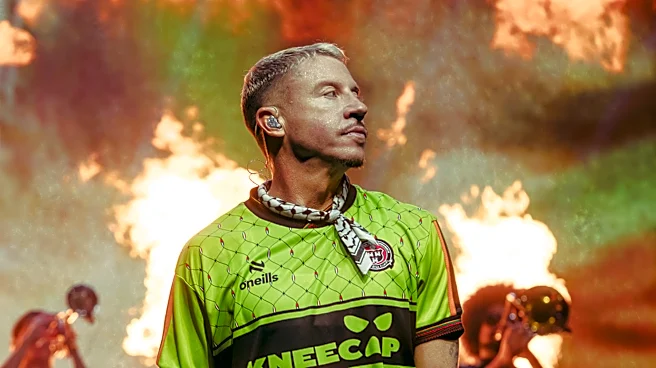
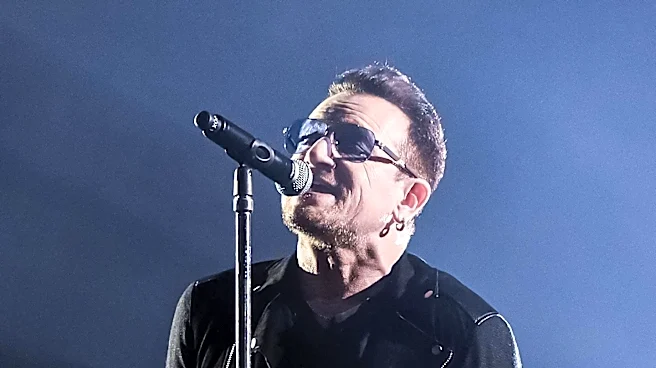
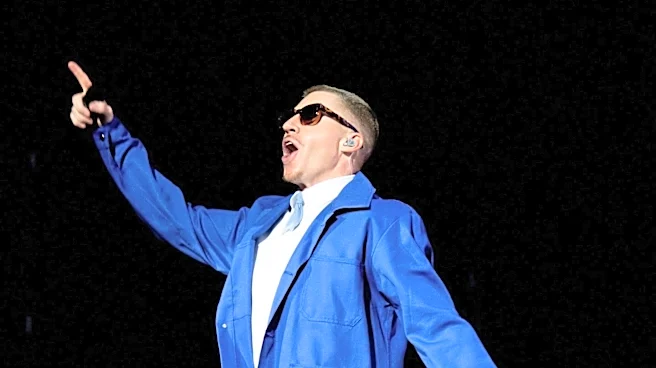
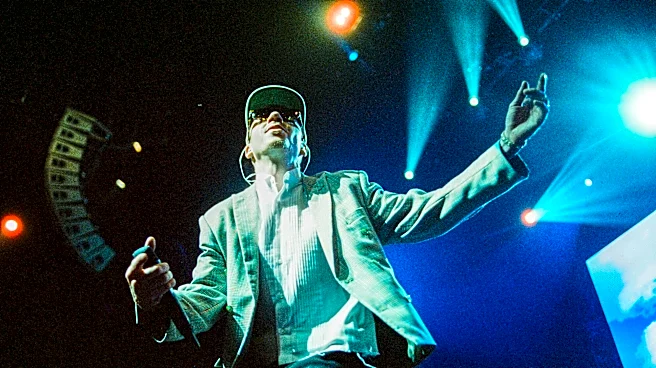
Members of the band U2, The Edge and Larry Mullen Jr., have publicly supported rapper Macklemore's right to free speech following his removal from Ed Sheeran's U.S. tour. Macklemore was dropped from the North American leg of Sheeran's Loop Tour in September
after he expressed pro-Palestine sentiments, spoke about Gaza and the West Bank, and performed his protest song 'Hind's Hall' during two opening sets at MetLife Stadium in New Jersey. Promoter Messina Touring Group stated that venues on subsequent dates would not permit shows with Macklemore on the bill. New England Patriots owner Robert Kraft confirmed he barred the rapper from Gillette Stadium, citing Macklemore's comments and what Kraft described as 'a broader history of antisemitic rhetoric and imagery.' The Edge emphasized support for Macklemore's artistic right to speak out while also cautioning against vilifying Ed Sheeran, acknowledging Sheeran's difficult position. Larry Mullen Jr. further asserted that artists have a human right to political expression, provided it does not incite violence, and that no entity has the right to censor artists.
Why It's Important?
This incident highlights ongoing tensions surrounding artistic freedom and political expression within the entertainment industry, particularly concerning the Israeli-Palestinian conflict. The intervention by U2, a band known for its activism, underscores the significance of the debate over censorship and artists' rights. The removal of Macklemore from a major tour due to his political statements raises questions about the power dynamics between artists, promoters, venue owners, and their audiences. It also brings to the forefront the potential financial and professional repercussions artists may face for expressing controversial views. The situation could influence how other artists choose to express their political opinions on stage, potentially leading to self-censorship or, conversely, inspiring more artists to use their platforms for activism, despite potential backlash. The involvement of a prominent figure like Robert Kraft also illustrates the influence of venue ownership on artistic programming and content.
What's Next?
Following his removal from the tour, Macklemore has performed three sold-out 'Free Palestine' benefit concerts in Dublin, Paris, and London, raising funds for organizations supporting Palestinians. Several acts, including Finneas, Lukas Graham, and Beoga, left Sheeran's tour in solidarity with Macklemore, indicating a ripple effect within the music community. Ed Sheeran himself apologized for 'mistakes' in his handling of the situation at a subsequent show in Philadelphia. This event may prompt further discussions within the music industry regarding contractual clauses related to political speech and the responsibilities of promoters and artists. It could also lead to increased scrutiny of venue owners' policies on artistic expression. The broader conversation about free speech versus perceived incitement in public performances is likely to continue, potentially influencing future tour arrangements and artist collaborations.
Beyond the Headlines
The controversy extends beyond a single tour dispute, touching upon fundamental questions of free expression, corporate responsibility, and the role of artists in political discourse. The incident reflects a broader societal struggle to balance freedom of speech with concerns about hate speech or incitement, particularly in highly charged geopolitical contexts. It also exposes the economic pressures artists face, where their livelihoods can be directly impacted by their political stances. The differing reactions from U2, Ed Sheeran, Macklemore, and various supporting artists illustrate the complex ethical landscape of the entertainment industry. This event could contribute to a long-term shift in how artists navigate their public platforms, potentially fostering a more polarized environment where artists are increasingly expected to take clear political positions, or conversely, leading to greater caution to avoid controversy. The debate also highlights the power of financial stakeholders, such as venue owners and promoters, in shaping cultural narratives.