





What's Happening?
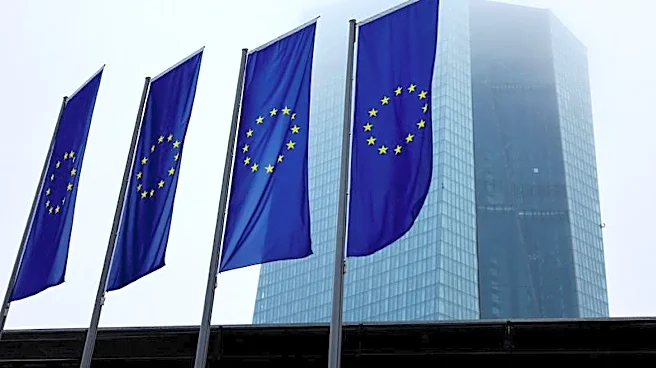
The Governing Council of the European Central Bank (ECB) has approved the acceptance of marketable assets issued on Distributed Ledger Technology (DLT) platforms as eligible collateral for Eurosystem credit operations. This decision applies to DLT platforms licensed
under the EU DLT Pilot Regime Regulation, provided these assets are made available on the TARGET2-Securities platform and meet specific Eurosystem requirements. This move is part of a broader roadmap to adapt the Eurosystem collateral framework for a tokenized European financial market. Executive Board member Isabel Schnabel emphasized the ECB's commitment to innovation without compromising safety or risk assessment. The ECB aims to ensure its collateral framework remains robust, adaptable, and aligned with its work on tokenization and Appia objectives. To be eligible, assets must meet all standard collateral criteria, and their mobilization arrangements must comply with Eurosystem requirements, including availability via an eligible link to a central securities depository (CSD) operating an eligible securities settlement system. Details of these requirements are expected in spring 2027, with implementation planned for June 2027.
Why It's Important?
This decision by the ECB signifies a significant step towards integrating new financial technologies into the traditional European financial system. By accepting DLT-based assets as collateral, the ECB is fostering the growth of a tokenized finance market in Europe, potentially increasing liquidity and efficiency within the Eurosystem. This move could encourage further innovation in financial instruments and settlement processes, offering new avenues for market participants to manage their assets and access central bank liquidity. It also underscores the ECB's proactive approach to technological advancements, aiming to maintain a future-proof collateral framework. The emphasis on interoperability between DLT platforms and traditional systems is crucial for a smooth transition and broader adoption of tokenized assets, potentially setting a precedent for other central banks globally. This development could benefit financial institutions and technology providers involved in DLT solutions by expanding the scope of their services and the types of assets they can handle.
What's Next?
The ECB plans to communicate the detailed requirements for DLT platforms and assets in the spring of 2027, with the implementation of these new eligibility rules scheduled for June 2027. Market participants, including financial institutions, DLT platform providers, and central securities depositories, will need to prepare for these new standards and adapt their systems and processes accordingly. The ECB's roadmap also foresees further exploration of ways to expand eligibility to assets issued and settled entirely on DLT networks, indicating a continued evolution of its collateral framework. This phased approach suggests that the ECB will closely monitor the initial integration of DLT-based assets before potentially broadening the scope further. The success of this initiative could influence regulatory frameworks and central bank policies in other jurisdictions regarding digital assets and blockchain technology in finance.
Beyond the Headlines
This move by the ECB has deeper implications for the future of financial markets, signaling a gradual but significant shift towards a more digitized and tokenized financial ecosystem. It highlights the growing recognition by central banks of the potential benefits of DLT, such as increased efficiency, transparency, and reduced settlement times, while also addressing concerns about risk and stability. The decision to integrate DLT-based assets into the collateral framework could accelerate the development of new financial products and services built on blockchain technology, potentially reshaping how securities are issued, traded, and settled. Furthermore, by setting clear requirements for DLT platforms, the ECB is contributing to the establishment of regulatory standards for this emerging technology, which is crucial for fostering trust and widespread adoption. This could also lead to a more interconnected global financial system where traditional and digital assets coexist and interact more seamlessly.