




What's Happening?
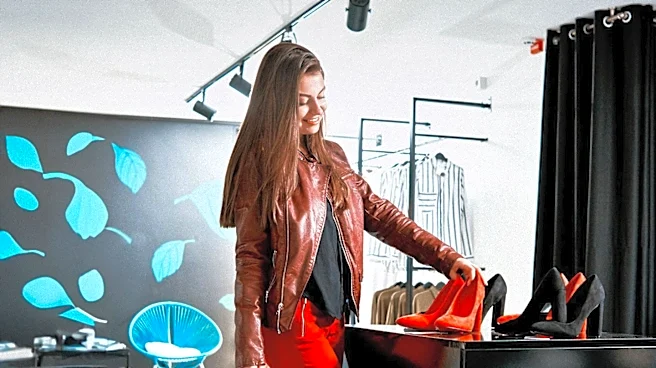
Retailers are increasingly integrating advanced in-store technologies to transform physical retail spaces into more engaging and measurable experiential marketing platforms. This shift moves beyond traditional sales-focused environments to create interactive
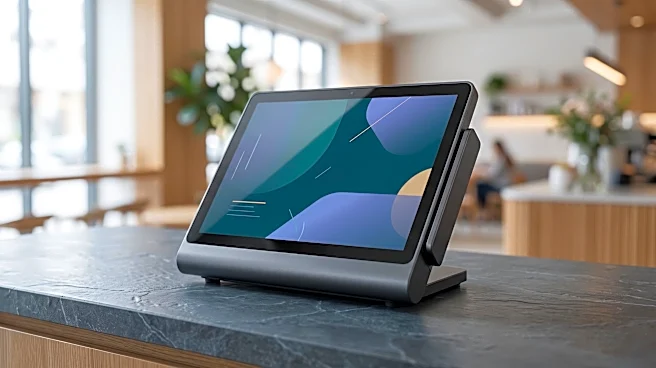
experiences for customers. Key technologies being deployed include QR codes, digital displays, interactive content, appointment scheduling systems, and mobile lead capture tools. These innovations enable retailers to track actual customer engagement, such as scans, entries, appointments, and leads, providing concrete metrics beyond just foot traffic or impressions. This technological integration allows for more scalable experiential activations, even when staff presence is limited. The goal is to make physical retail a more accountable marketing channel by offering diverse engagement opportunities, from temporary pop-ups and product demonstrations to self-guided digital experiences. This approach also opens doors for partnerships with non-traditional retail brands, such as home improvement companies, travel brands, and automotive companies, who can leverage retail spaces to initiate conversations with consumers.
Why It's Important?
This evolution in retail technology is crucial for the U.S. retail industry as it addresses the growing challenge posed by online shopping. By transforming physical stores into experience-driven destinations, retailers can offer something unique that e-commerce cannot replicate: direct, interactive engagement with a physical audience. This strategy helps to revitalize brick-and-mortar stores, making them more than just transaction points and instead, platforms for discovery and interaction. For businesses, it means a new avenue for marketing and customer acquisition, with measurable results that justify investment in physical spaces. It also creates new partnership opportunities, allowing retailers to monetize underutilized space by hosting brands that may not require traditional shelf space but seek direct consumer access. Consumers benefit from more dynamic and personalized shopping experiences, fostering deeper connections with brands and products. This shift is vital for the long-term viability and competitiveness of physical retail in an increasingly digital marketplace.
What's Next?
The trend of integrating advanced technology into physical retail is expected to continue, with further innovations aimed at enhancing customer experience and operational efficiency. Retailers will likely explore more sophisticated AI-driven decision-making tools and IoT sensor networks to optimize various aspects of store operations, including stock levels, staffing, and creating intelligent store environments. This will support a unified commerce experience, seamlessly blending online and offline interactions. The focus will remain on generating actionable data from in-store engagements to refine marketing strategies and personalize customer journeys. We can anticipate an increase in collaborations between retailers and technology providers to develop bespoke solutions that cater to specific brand needs and consumer behaviors. The success of these initiatives will likely lead to a broader adoption of experiential marketing as a core component of retail strategy, pushing the boundaries of what a physical store can offer.
Beyond the Headlines
The deeper implications of this technological shift extend to the very definition of retail and consumer culture. As stores become 'platforms for experiences,' they move beyond their traditional role as mere points of sale to become cultural hubs and community spaces. This transformation could lead to a re-evaluation of urban planning and commercial real estate, with a greater emphasis on mixed-use developments that integrate retail, entertainment, and service-based experiences. Ethically, the increased collection of in-store engagement data raises questions about consumer privacy and data security, necessitating robust policies and transparent communication from retailers. Culturally, it signifies a move towards a more interactive and personalized consumer journey, where discovery and engagement are as valued as the product itself. This could foster a new generation of consumers who expect more than just transactions from their retail interactions, driving continuous innovation in how brands connect with their audience in physical spaces.