









What's Happening?
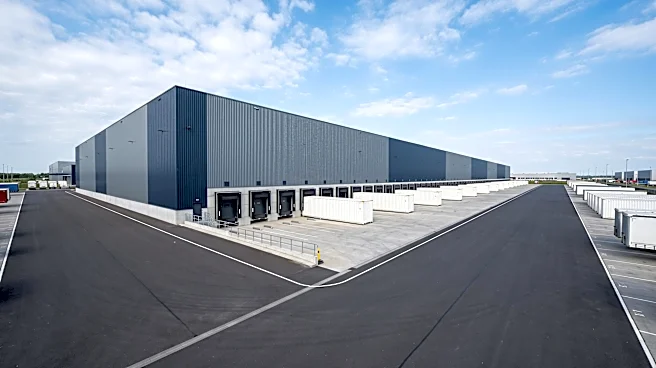
Khazaen Economic City, located in Barka, South Al Batinah Governorate, Oman, is positioning itself as a key investment destination for businesses requiring industrial land, warehouse space, distribution facilities, or access to Oman's transport network.
The city integrates planned industrial, logistics, commercial, and supporting-service activities. Investors are encouraged to identify the specific part of the development that aligns with their business needs, understand the land allocation process, applicable licenses, and full operating costs. The Public Authority for Special Economic Zones and Free Zones (OPAZ) oversees the regulatory framework, which includes two free zones within the development, offering potential incentives like 100% foreign ownership and tax exemptions.
Why It's Important?
Khazaen Economic City represents a significant development in Oman's economic diversification strategy, aiming to attract both local and international investment by providing specialized infrastructure and a conducive business environment. For businesses, particularly those in manufacturing, logistics, and distribution, Khazaen offers strategic advantages due to its location along a major highway corridor and proximity to Muscat International Airport and Sohar Port. The availability of free zones within the city provides additional incentives, such as customs and tax exemptions, which can significantly reduce operational costs. However, investors must carefully evaluate the specific conditions and eligibility criteria for these benefits, as they are not automatically guaranteed for every company or location within Khazaen. This initiative is crucial for enhancing Oman's position as a regional logistics and industrial hub.
What's Next?
Prospective investors in Khazaen Economic City must begin by defining their project's activity, space requirements, utility needs, and implementation schedule. The investment application process involves submitting a detailed proposal, which Khazaen assesses within an indicative five working days. Following a successful assessment, the developer may propose a suitable site and commercial terms, leading to a lease or usufruct agreement. It is essential for investors to complete commercial registration and obtain all necessary investment or sector-specific licenses, as land allocation alone does not grant permission for all industrial or commercial operations. Additionally, investors should budget for all costs, including land rent, infrastructure charges, company formation, and operating expenses, and verify the status of essential services before committing.
Beyond the Headlines
The development of Khazaen Economic City reflects a broader trend in the Middle East towards creating integrated economic zones that offer comprehensive solutions for businesses. This approach goes beyond simple industrial parks by incorporating commercial and support services, aiming to create self-sustaining ecosystems. The emphasis on careful planning and understanding specific regulatory frameworks highlights the increasing complexity of international investment and the need for due diligence. Khazaen's success will not only depend on its infrastructure but also on its ability to attract and retain a diverse range of businesses, fostering innovation and job creation. This model could serve as a blueprint for future economic development projects in the region, promoting sustainable growth and economic resilience.