








What's Happening?
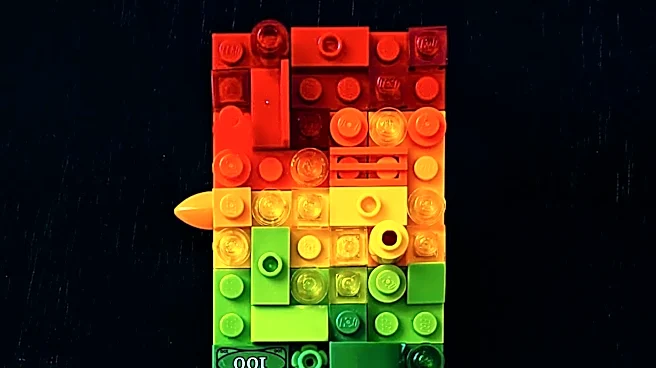
Julia Goldin, Chief Marketing and Product Officer at Lego, discussed the company's strategic growth at the Marketing Vanguard at Cannes. Lego has expanded from a children's toy brand to a global creative experience, appealing to a wide demographic including
adults. Goldin emphasized the importance of saying no to certain opportunities to maintain brand authenticity and trust. Lego's growth strategy includes leveraging technology through initiatives like Lego SmartPlay, which enhances physical play without increasing screen time. The company also focuses on partnerships, such as those with Formula 1 and World Cup campaigns, to expand its brand presence while staying true to its core values.
Why It's Important?
Lego's approach to brand growth underscores the importance of strategic decision-making in maintaining brand integrity. By carefully selecting partnerships and innovations, Lego ensures that its brand remains authentic and trusted by consumers. This strategy highlights a broader trend in marketing where brands prioritize long-term trust over short-term gains. Lego's success in expanding its audience while maintaining its core values serves as a model for other companies looking to grow without compromising their brand identity.
Beyond the Headlines
Lego's strategy of balancing innovation with brand authenticity reflects a deeper understanding of consumer expectations in the digital age. By focusing on creativity and limiting screen time, Lego addresses concerns about digital overexposure among children. This approach not only strengthens consumer trust but also positions Lego as a leader in responsible brand growth. The company's emphasis on human creativity as a competitive advantage highlights the enduring value of creativity in an increasingly tech-driven world.