




What's Happening?
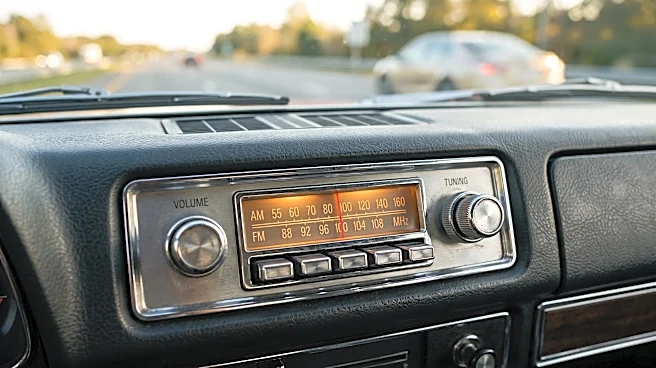
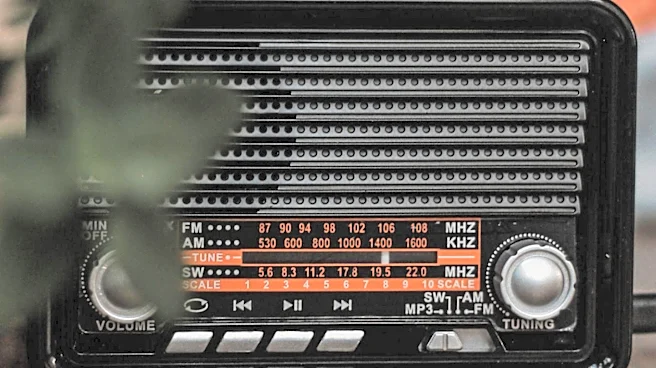
A look back at radio broadcasting in November 1988 reveals a landscape where vinyl records were still prevalent, and disc jockeys managed live broadcasts with specific timing for station identifications. WRCO, a station playing soft rock and crossover
country hits, also featured a nighttime Top 40 request show on weeknights and an oldies program called 'Those Were the Days' on Saturday nights. The music charts of November 1988 saw The Beach Boys achieve a number one hit with 'Kokomo' after 22 years, featured in the movie 'Cocktail.' Other popular songs included Phil Collins' 'Groovy Kind of Love,' Kylie Minogue's remake of 'The Locomotion,' Chicago's 'Look Away,' and rock staples like Guns N' Roses' 'Welcome to the Jungle' and Def Leppard's 'Love Bites.' The era also involved the physical transport of record boxes by DJs for their weekend shows.
Why It's Important?
This historical snapshot provides insight into the evolution of radio broadcasting and music consumption before the digital age. It highlights the significance of local radio stations as primary sources of music and entertainment, where DJs played a crucial role in curating and presenting music. The mention of specific hit songs from 1988 underscores the cultural impact of these tracks and artists, many of whom remain iconic today. The practice of Top 40 request shows demonstrates a direct interaction between listeners and broadcasters, fostering a sense of community. Furthermore, the logistical challenges faced by DJs, such as handling vinyl records, illustrate the technological differences in media delivery compared to contemporary digital methods, offering a valuable perspective on how the industry has transformed.
What's Next?
While this article is a retrospective, its implications for the future of radio lie in understanding the enduring appeal of nostalgia and classic hits. Radio stations continue to leverage historical music to attract listeners, often through dedicated 'classic hits' or 'oldies' formats. The personal connection fostered by DJs, as described in the 1988 context, remains a valuable aspect of radio, even as technology advances. Future programming may continue to blend contemporary hits with nostalgic content, recognizing the diverse tastes of audiences. The evolution of music technology will undoubtedly continue, but the core elements of music discovery and community engagement through radio are likely to persist, albeit in new forms.
Beyond the Headlines
The memories from 1988 radio broadcasting offer a glimpse into a bygone era of media consumption, where the tactile experience of vinyl records and the live, unedited nature of broadcasts were central. This period predates the internet's widespread influence, highlighting a time when radio held a more singular position in shaping popular culture and providing immediate news and entertainment. The personal anecdotes, such as DJs rushing to the bathroom during station IDs, add a human element to the technical aspects of broadcasting, illustrating the dedication and occasional mishaps inherent in live media. This historical context also serves as a reminder of how rapidly technology has transformed industries, yet the fundamental human desire for music, connection, and shared cultural experiences remains constant.