


What's Happening?
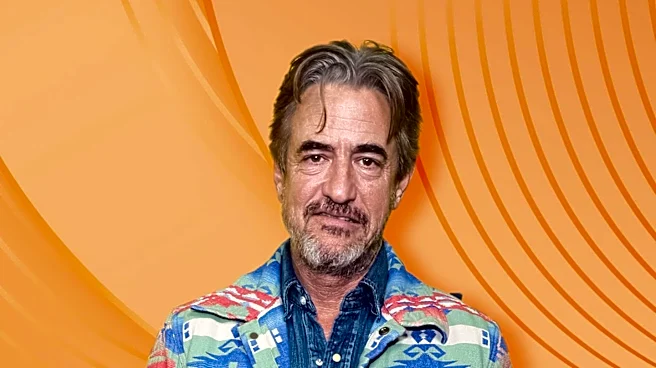
Actor Dermot Mulroney recently shared his regret about not accepting more episodes during his guest-starring role on the hit NBC sitcom 'Friends' in 2003. Mulroney, who played Gavin Mitchell, a colleague and brief love interest of Rachel Green (Jennifer
Aniston) in season 9, appeared in three episodes. He discussed this during an appearance on Jesse Tyler Ferguson’s 'Dinner’s on Me' podcast. Mulroney noted that the show's producers had wanted him for additional episodes, which he declined at the time due to a preference for movie roles. He reflected on the 'incredible' period he was on the show, mentioning that Paul Rudd was also a guest star during the same time. Mulroney's character was introduced in 'The One Where Rachel Goes Back to Work,' where he initially had tension with Rachel before they bonded and shared a kiss.
Why It's Important?
Mulroney's reflection highlights a common career dilemma faced by actors balancing film and television opportunities, particularly during a period when TV was not as highly regarded as it is today. His regret underscores the significant cultural impact and long-term value of a show like 'Friends,' which has maintained immense popularity and syndication value for decades. For actors, choosing roles involves weighing immediate opportunities against potential long-term career trajectories and cultural relevance. Mulroney's experience illustrates how perceptions of television work have evolved, with many actors now actively seeking roles in high-quality TV productions. His comments also offer a glimpse into the behind-the-scenes decision-making that shapes iconic television series and the careers of those involved.
What's Next?
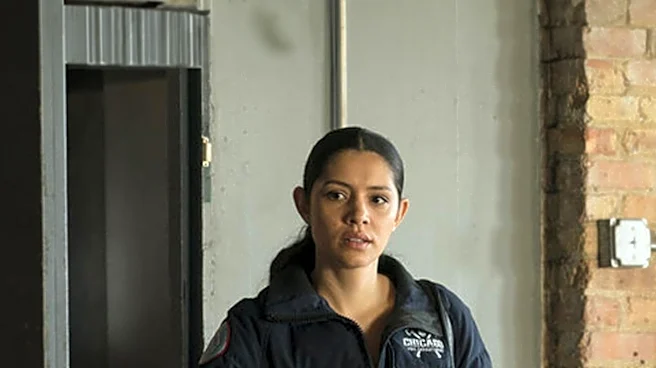
While Mulroney's 'Friends' tenure is long past, his comments contribute to the ongoing discourse about the show's legacy and the careers of its guest stars. His current perspective suggests a greater openness to television work, as evidenced by his later roles in shows like 'Chicago Fire.' This shift reflects a broader industry trend where the lines between film and television have blurred, with many A-list actors now regularly appearing in prestige TV series. For Mulroney, this means continued engagement in diverse projects across different mediums. For fans of 'Friends,' such anecdotes add to the rich tapestry of stories surrounding the beloved series, potentially sparking renewed interest in his specific episodes.
Beyond the Headlines
Mulroney's candid admission touches upon the evolving landscape of the entertainment industry. Historically, film actors often viewed television as a step down, a perception that has largely dissipated with the rise of streaming services and high-budget, critically acclaimed TV productions. His regret serves as a reminder of how career choices, made under specific industry norms, can be re-evaluated years later as those norms change. It also subtly highlights the enduring power of cultural phenomena like 'Friends' to shape careers and leave lasting impressions, not just on audiences but on the professionals who were part of them. The story also implicitly discusses the value of seizing opportunities, even if they don't align with preconceived career paths, as the long-term impact can be unpredictable and significant.