

What's Happening?
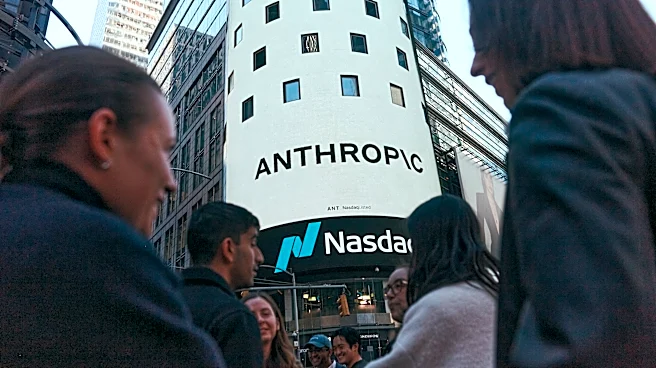
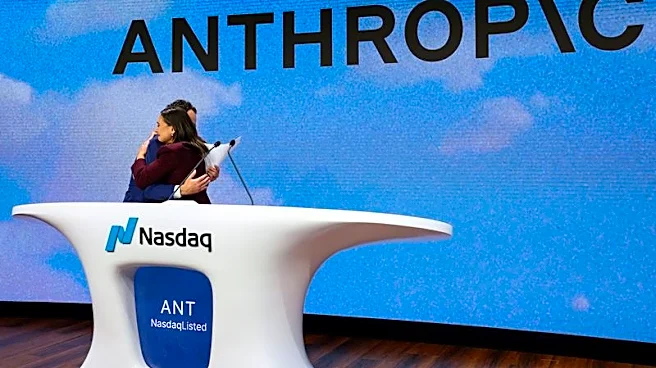
Anthropic, the company behind the AI model Claude, made its public debut on Nasdaq on November 19, trading under the ticker 'ANT'. The company priced its Initial Public Offering (IPO) at $83 per share, and its stock closed its first trading session up
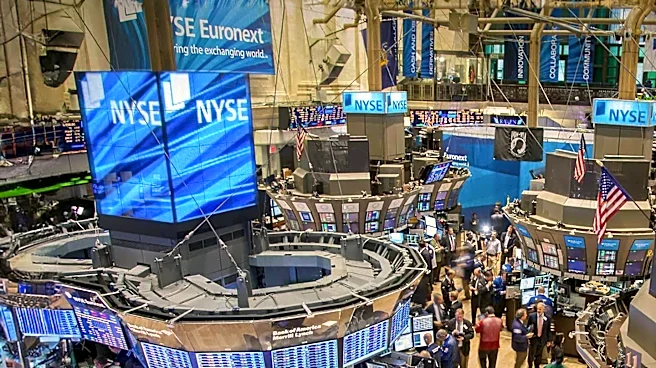
17% from this IPO price, achieving a valuation of $1.27 trillion. An IPO marks the first time a privately held company sells shares to the public. Before an IPO, a company typically files paperwork with the Securities and Exchange Commission (SEC), detailing its operations, risks, and financial statements. After going public, the company is required to file quarterly and annual reports with the SEC, providing ongoing financial updates. The process of an IPO in the U.S. generally involves several stages, including hiring underwriters, filing an S-1 registration statement with the SEC, conducting a roadshow to gauge investor interest, pricing the IPO, and finally, the first day of trading on an exchange like Nasdaq or the NYSE.
Why It's Important?
Anthropic's successful IPO and substantial valuation highlight the significant investor interest and capital flowing into the artificial intelligence sector. This event provides liquidity for early investors, founders, and employees, allowing them to convert their shares into cash. For Anthropic, going public offers a mechanism to raise capital for future growth, potentially funding new product development, business expansion, or debt reduction without incurring additional debt. The public listing also enables the company to use its stock as currency for employee compensation and future acquisitions. For the broader market, a high-profile IPO like Anthropic's can signal confidence in the tech sector, particularly in AI, potentially encouraging other private companies to consider public offerings. However, investors face risks, including potential price volatility and the challenge of evaluating a company with a limited public track record.
What's Next?
Following its IPO, Anthropic will be subject to ongoing public scrutiny and regulatory reporting requirements, including quarterly and annual financial disclosures to the SEC. The company's stock performance will likely be influenced by its financial results, market conditions, and competitive landscape within the AI industry. Early owners of Anthropic shares may be subject to lock-up agreements, which temporarily prevent them from selling their shares. The expiration of these lock-up periods could introduce more shares into the market, potentially affecting the stock price. Investors will closely monitor Anthropic's ability to execute its growth strategies, innovate in the AI space, and demonstrate sustained profitability or revenue growth in its upcoming earnings reports. The success of this IPO may also influence the timing and valuation of other AI companies considering going public.
Beyond the Headlines
Anthropic's IPO underscores a broader trend in the capital markets where companies are staying private for longer, accumulating significant value before entering the public sphere. This shift means that by the time many companies go public, a substantial portion of their value creation has already occurred in the private market. While IPOs traditionally served as a primary means for companies to raise capital for future growth, for today's large private entities, they increasingly serve to create liquidity and broaden access to ownership. This evolution in the role of public markets suggests a changing dynamic for investors, who may need to engage with private markets or invest in IPOs with the understanding that much of the initial growth phase has already transpired. The substantial valuation of Anthropic also reflects the immense societal and economic expectations placed on AI technologies, raising questions about the long-term sustainability of such valuations and the ethical implications of widespread AI adoption.