




What's Happening?
Preferred Hotels & Resorts has expanded its prestigious Legend Collection by adding 11 new properties in 2026, bringing the total to over 125 hotels globally. This expansion includes properties across Europe, North America, Asia, Africa, and the Middle
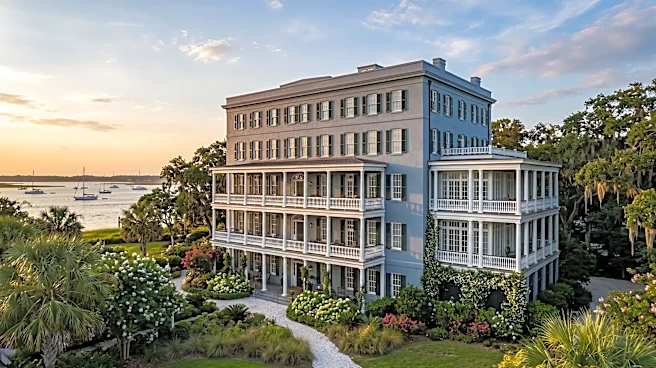
East. The additions reflect a growing demand for destination-led luxury travel, with a particular emphasis on personalized urban stays. These new hotels are designed to offer an intimate way to experience iconic cities, moving beyond standard accommodation to become gateways to the culture, lifestyle, and unique rhythm of their destinations. Examples include San Clemente Palace Venice, MYTHIC SANA Downtown Suites in Lisbon, BLESS Hotel Barcelona, and The Cooper in Charleston, which offers a distinctly Southern interpretation of luxury with waterfront views and an authentic connection to its historic American city.
Why It's Important?
This expansion signifies a notable shift in the luxury hospitality sector, where travelers are increasingly prioritizing unique, personalized experiences over generic high-end accommodations. For the U.S. market, the inclusion of properties like The Cooper in Charleston highlights a trend towards showcasing local heritage and culture within luxury offerings. This focus can boost local economies by drawing affluent travelers interested in authentic regional experiences, supporting local businesses, and promoting cultural tourism. The emphasis on 'personalized urban stays' suggests that hotels are adapting to consumer desires for deeper engagement with their surroundings, potentially influencing urban development and tourism strategies in major U.S. cities to cater to this demand. It also indicates that U.S. luxury hotels are competing on a global scale by integrating local identity and bespoke services into their offerings.
What's Next?
The continued growth of the Legend Collection suggests that Preferred Hotels & Resorts will likely further invest in properties that offer distinct cultural and personalized experiences. This trend could lead to more U.S. hotels adopting similar strategies, focusing on unique local narratives, bespoke services, and integration with the surrounding urban environment. We may see increased partnerships between luxury hotels and local cultural institutions, culinary scenes, and historical sites to enhance the guest experience. Other hotel brands might follow suit, intensifying competition in the luxury travel segment and driving innovation in personalized service and destination immersion. Future expansions are expected to target cities with rich cultural heritage and strong tourism appeal, both domestically and internationally.
Beyond the Headlines
The shift towards personalized urban stays and destination-led luxury travel reflects a broader cultural movement away from mass tourism towards more meaningful and authentic experiences. This trend has implications for how cities market themselves, encouraging the preservation and celebration of local identity rather than homogenization. Ethically, it raises questions about how to balance increased tourism with maintaining the integrity and authenticity of local cultures and communities. For U.S. cities, this could mean a renewed focus on urban planning that supports unique neighborhood characteristics and local businesses, ensuring that luxury tourism benefits the wider community and does not lead to cultural erosion. It also underscores the evolving role of hotels as cultural curators and community integrators, rather than just providers of lodging.