




What's Happening?
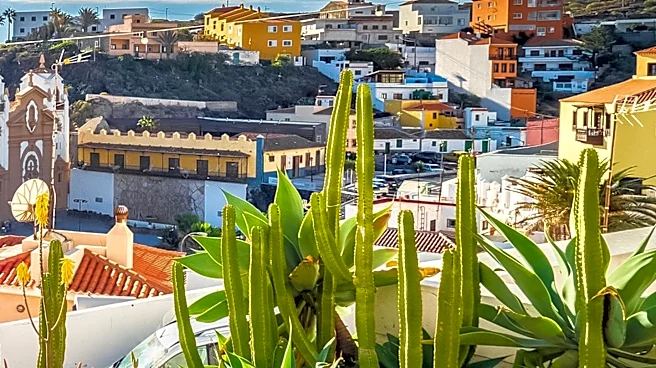
Gran Canaria is actively promoting mindful travel and sustainable tourism practices, encouraging visitors to engage with the island's natural beauty and cultural heritage responsibly. The island, known for its diverse landscapes ranging from the Maspalomas
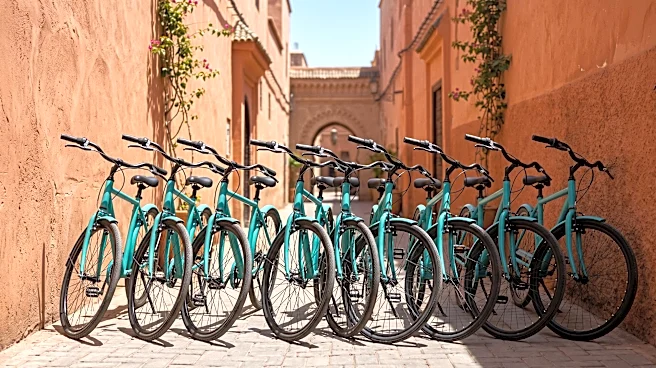
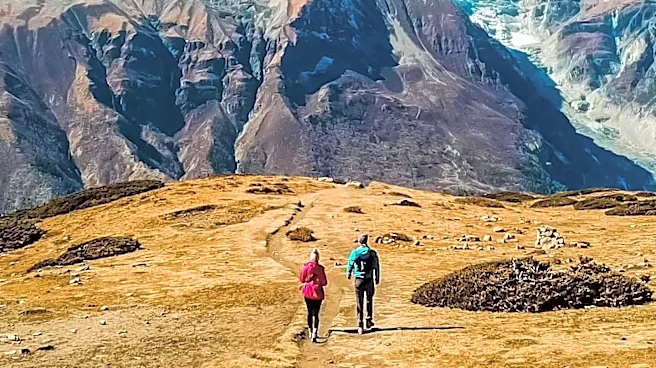
dunes to volcanic mountains and ancient pine forests, is positioning itself as an ideal destination for eco-conscious travelers. Efforts include promoting public transport, walking, and cycling, as well as encouraging the discovery of protected natural areas. Local guides lead excursions that focus on native flora and fauna, while rural tourism is gaining traction through farm stays and eco-lodges that support local supply chains and utilize renewable energy. The initiative aims to preserve the island's ecosystems and support local communities by fostering a more thoughtful approach to travel.
Why It's Important?
This shift towards sustainable tourism in Gran Canaria is significant as it addresses the growing global demand for responsible travel options. By emphasizing eco-friendly accommodations, local produce, and experiences that respect the environment, Gran Canaria is contributing to the broader movement of sustainable development within the tourism industry. This approach helps protect fragile ecosystems, supports local economies, and preserves cultural traditions, ensuring that the benefits of tourism are shared more equitably and sustainably. For travelers, it offers opportunities for deeper engagement with destinations, fostering a greater appreciation for nature and local communities. This model can serve as an example for other popular tourist destinations seeking to mitigate the negative impacts of mass tourism while enhancing visitor experiences.
What's Next?
Gran Canaria is expected to continue expanding its sustainable tourism offerings, with ongoing efforts to certify more eco-friendly accommodations and experiences. The focus will likely remain on educating both residents and visitors about the importance of environmental conservation and responsible travel choices. Future initiatives may include further development of infrastructure for sustainable transport, increased promotion of local artisanal products, and the expansion of guided eco-tours. The island's mild climate and diverse landscapes make it an appealing year-round destination, suggesting that these sustainable practices will be integrated into seasonal tourism strategies to ensure long-term environmental and economic viability. Continued collaboration with local operators and communities will be crucial for the success and evolution of these programs.
Beyond the Headlines
The move towards mindful travel in Gran Canaria reflects a broader global trend where destinations are recognizing the long-term value of sustainability over short-term gains from mass tourism. This approach goes beyond mere environmental protection, encompassing ethical considerations such as fair trade for local producers, preservation of cultural authenticity, and community empowerment. By encouraging visitors to slow down and connect with the local environment and people, Gran Canaria is fostering a more profound and enriching travel experience. This paradigm shift could lead to a redefinition of 'luxury' in travel, where genuine experiences and positive impact become more valued than opulent amenities. It also highlights the potential for tourism to be a force for good, driving conservation and sustainable development rather than contributing to environmental degradation.