





What's Happening?
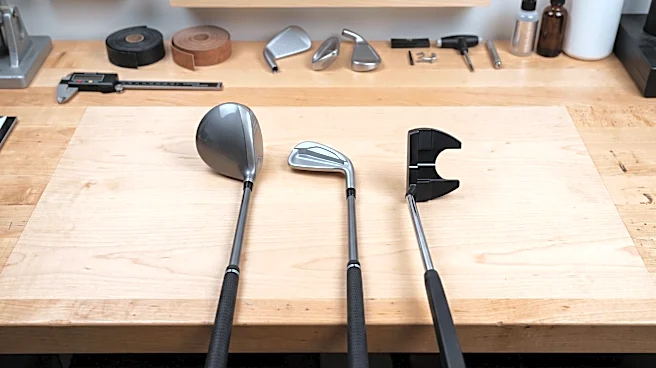
Tour Edge Golf, a company with 40 years of experience in high-performance golf equipment, has launched its new Max-J Junior Golf Sets. These sets are the result of extensive engineering and direct input from junior golfers and their parents. The development
process involved analyzing and testing various club specifications, including head shapes, materials, shaft weights, and grips, to optimize performance and aesthetics for young players. The Max-J Series is designed to be unisex and is available in five age- and size-specific configurations, catering to golfers aged 3–6, 5–8, 7–10, 9–12, and 11–14. Each set is engineered to precise specifications tailored to the player's stage of development, ensuring that young golfers have equipment that properly fits them and supports their growth in the sport. David Glod, Founder and CEO of Tour Edge, emphasized the personal nature of the Max-J project, highlighting the company's commitment to considering every detail from a young golfer's grip to the club's performance on off-center hits. The goal is to provide children with a sense of carrying a 'real' set of golf clubs.
Why It's Important?
The introduction of the Max-J Junior Golf Sets by Tour Edge Golf is significant for the U.S. golf industry and youth sports development. By offering specialized, high-performance equipment for young players, Tour Edge is addressing a critical need in growing the game of golf. Properly fitted and designed clubs can significantly impact a child's ability to learn and enjoy golf, fostering confidence and encouraging continued participation. This initiative can lead to increased engagement in junior golf programs and potentially expand the overall golf market in the long term. For parents, these sets offer a comprehensive solution that combines performance with an understanding of what young golfers need, potentially reducing barriers to entry for families considering golf. The focus on making golf more welcoming and accessible aligns with broader efforts to promote physical activity and skill development among youth, contributing to a healthier and more active generation of Americans. The emphasis on 'real' golf clubs also helps legitimize junior golf, making it more appealing to aspiring young athletes.
What's Next?
The Tour Edge Max-J Junior Golf Sets are now available through authorized Tour Edge retailers and on the company's website, touredge.com. The immediate next step will involve the distribution and marketing of these new sets to reach the target demographic of young golfers and their parents across the U.S. Tour Edge will likely monitor sales and gather feedback from consumers to assess the impact and success of the Max-J line. This could lead to future iterations or expansions of the junior golf product offerings. The company's stated goal of making golf more accessible and fun for kids suggests ongoing efforts to support junior golf initiatives. Success in this area could also influence other golf equipment manufacturers to invest further in specialized junior gear, potentially leading to a more competitive and innovative market for youth golf equipment. The long-term impact could be seen in an increase in the number of young golfers and a stronger foundation for the sport's future in the United States.
Beyond the Headlines
Beyond the immediate market impact, the launch of the Max-J Junior Golf Sets touches upon broader societal implications regarding youth sports and development. Providing children with equipment that fits and performs well can instill a sense of competence and enjoyment, which is crucial for developing a lifelong passion for sports. This initiative can help combat issues like early sports dropout rates, often linked to frustration with ill-fitting or inadequate equipment. Furthermore, by making golf more accessible and enjoyable for younger age groups, Tour Edge is contributing to the diversification of the sport, potentially attracting a wider range of participants. The emphasis on engineering and design for junior players also highlights a growing recognition within the sports industry of the unique needs of children, moving beyond simply scaling down adult equipment. This approach can foster a more inclusive and supportive environment for youth sports, promoting not just athletic skill but also confidence, discipline, and a love for the game.