





What's Happening?
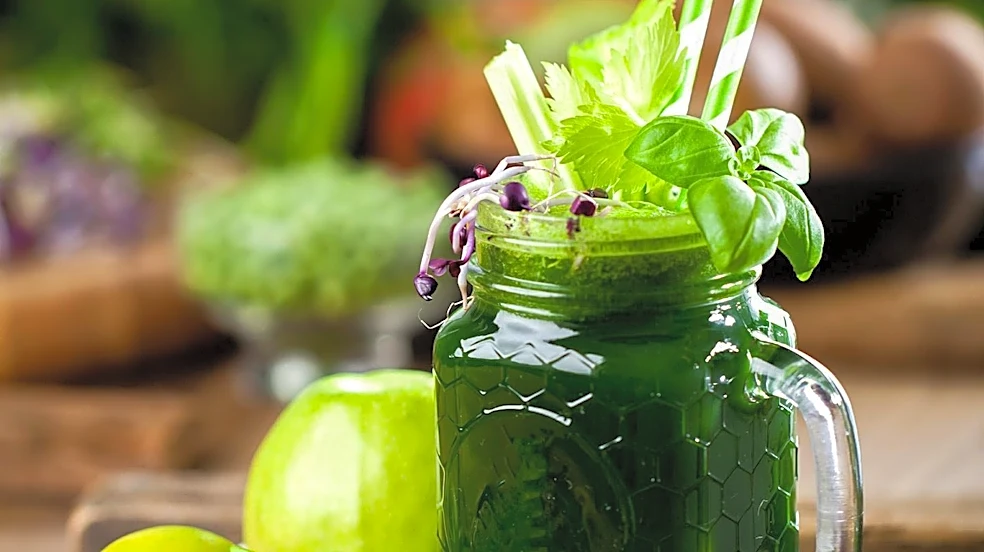
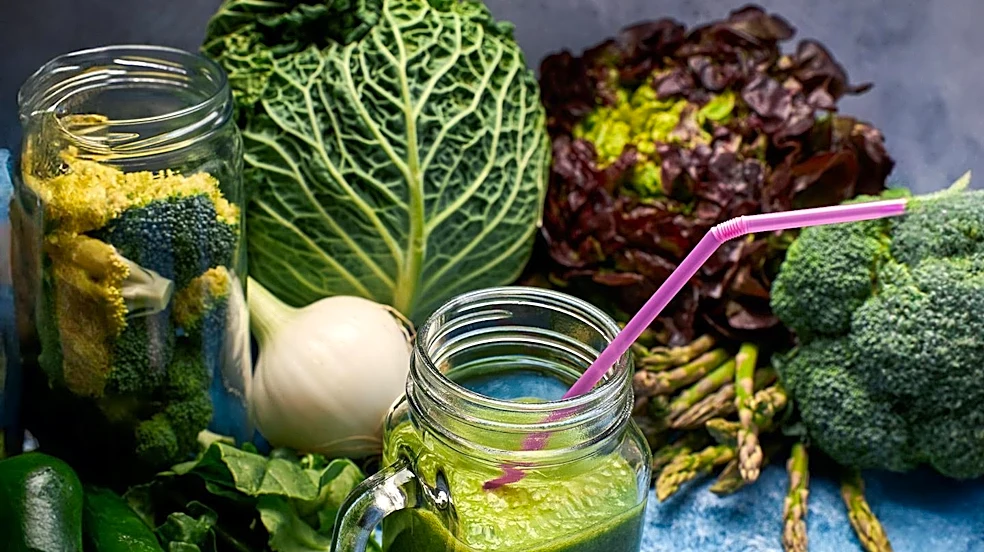
Green juices and smoothies, often marketed as revitalizing blends for detoxification, are gaining popularity. A 16oz green juice is described as a mix of fresh green vegetables and fruits designed to support the body's natural detoxification process.
Recipes for these beverages include ingredients like cucumber, banana, and cabbage, aiming to provide fiber, hydration, and nutrients. Juicers capable of processing whole fruits and vegetables are also highlighted as tools for creating these drinks. While some sources emphasize the convenience and nutrient content, particularly vitamin C, of cold-pressed juices, there's also a discussion about the sugar content and the removal of fiber during the juicing process. The health claims associated with 'cleanses' and 'detoxification' through green juices are also being examined.
Why It's Important?
The increasing popularity of green juices and smoothies has significant implications for public health and consumer understanding of nutrition. Many consumers are drawn to these products for perceived health benefits, including detoxification and weight loss, often influenced by social media trends. However, the removal of fiber during juicing means that the natural sugars in fruits are consumed rapidly, potentially leading to blood sugar spikes. This is particularly important for individuals with prediabetes or diabetes. Furthermore, the marketing of 'juice cleanses' as a way to 'flush toxins' lacks scientific backing, potentially leading consumers to adopt ineffective or even harmful dietary practices. Understanding the nutritional differences between whole fruits and vegetables versus their juiced counterparts is crucial for making informed dietary choices and avoiding potential health risks associated with high sugar intake and nutrient imbalances.
What's Next?
Consumers are advised to approach green juices and smoothies with a critical eye, focusing on ingredient lists and nutritional content rather than marketing claims. Health organizations and nutrition experts will likely continue to emphasize the importance of whole fruits and vegetables over juices due to the fiber content. For those who choose to consume green juices, prioritizing vegetable-based options with minimal fruit can help reduce sugar intake. Individuals with pre-existing health conditions, such as diabetes or kidney issues, should consult with healthcare professionals before incorporating significant amounts of juice into their diet. The ongoing discussion around the actual health benefits versus the potential drawbacks of juicing will continue to shape dietary recommendations and consumer behavior.
Beyond the Headlines
The trend of green juices and smoothies reflects a broader societal interest in wellness and quick health fixes. This phenomenon highlights the influence of marketing and social media on dietary choices, often overshadowing evidence-based nutritional advice. The emphasis on 'detoxification' and 'cleansing' taps into a desire for purity and health, but it can also foster an unhealthy relationship with food, potentially leading to disordered eating patterns. The debate also brings to light the ethical considerations of food labeling and advertising, particularly when health claims are not fully supported by scientific research. Moving forward, there's a need for greater transparency in product labeling and more robust public education campaigns to help consumers distinguish between genuine nutritional benefits and marketing hype.