





What's Happening?
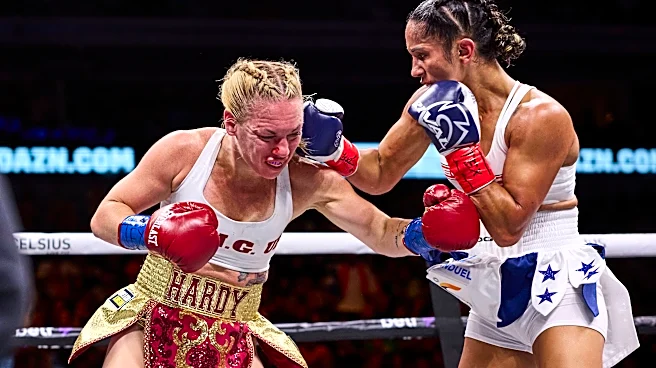
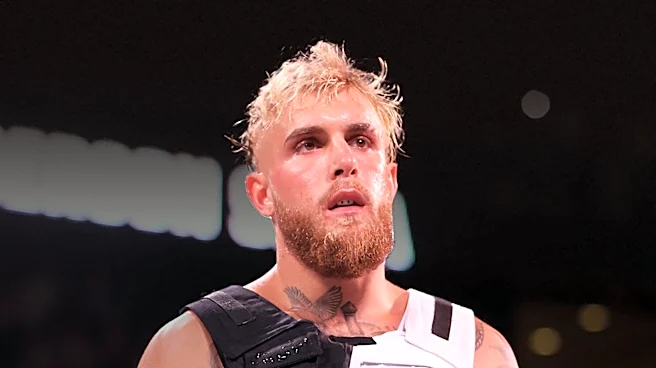
Heather Hardy, a former women's WBO featherweight champion, has filed a $10 million lawsuit against Jake Paul and Most Valuable Promotions (MVP). Hardy alleges negligence and violations of the Muhammad Ali Boxing Reform Act, claiming she suffered a significant
brain injury during her 2023 fight against Amanda Serrano. Hardy asserts that Paul and MVP disregarded potential warning signs about her health before the fight, which she believes led to symptoms similar to Chronic Traumatic Encephalopathy (CTE). She states that the fight ended her career and has left her unable to maintain regular employment. Hardy has publicly stated that she is the 'first alive person diagnosed with CTE' and is pursuing $10 million in damages. MVP has issued a statement expressing sympathy for Hardy and hoping she receives appropriate care, while Paul has not yet commented individually on the lawsuit. Hardy has also addressed public skepticism, emphasizing that her legal team would not have taken the case if it lacked merit, and that there are unreleased details she is legally unable to discuss.
Why It's Important?
This lawsuit carries significant implications for the boxing industry, particularly concerning fighter safety and the responsibilities of promoters. If Hardy's claims are substantiated, it could set a precedent for how promoters like Jake Paul and Most Valuable Promotions are held accountable for the well-being of their fighters, especially those with a history of injuries or at a later stage in their careers. The case highlights the ongoing concerns about long-term neurological damage in combat sports, such as CTE, and could lead to increased scrutiny of pre-fight medical evaluations and the ethical considerations of matching fighters. A successful lawsuit could also influence future regulations and protective measures for boxers, potentially leading to stricter medical protocols and greater financial security for athletes whose careers are cut short due to injury. The outcome could impact the financial viability of boxing promotions and the careers of individuals involved in the sport, as well as potentially influencing how other combat sports manage fighter health and safety.
What's Next?
The lawsuit will proceed through the legal system, with Hardy's legal team presenting evidence to support her claims of negligence and violations of the Muhammad Ali Boxing Reform Act. This will likely involve discovery processes, including the exchange of medical records and internal communications from Most Valuable Promotions. Jake Paul and MVP will be expected to mount a defense against these allegations. The case could either go to trial or be settled out of court. The public and the boxing community will be closely watching the developments, as the outcome could influence future fighter contracts, medical screening procedures, and the overall legal landscape for combat sports. Depending on the court's findings, there could be calls for legislative changes or increased oversight from boxing commissions to better protect fighters from potential long-term health consequences. The case may also prompt other athletes who believe they have suffered similar injuries to come forward with their own claims.
Beyond the Headlines
Beyond the immediate legal and financial ramifications, this lawsuit delves into the ethical responsibilities of sports promoters and the inherent risks associated with professional boxing. The claim of being the 'first alive person diagnosed with CTE' by Hardy, if medically confirmed, would be a groundbreaking development in the understanding and diagnosis of this degenerative brain disease, which is typically diagnosed posthumously. This could significantly alter public perception and scientific research into CTE, potentially leading to new diagnostic methods and treatment approaches. The case also underscores the broader societal debate about the balance between athletic entertainment and athlete welfare, particularly in high-impact sports. It raises questions about the long-term support systems available for athletes post-career, especially those who suffer debilitating injuries. The outcome could influence how sports organizations prioritize athlete health over commercial interests and potentially lead to a re-evaluation of the moral obligations of those who profit from such physically demanding professions.