






What's Happening?
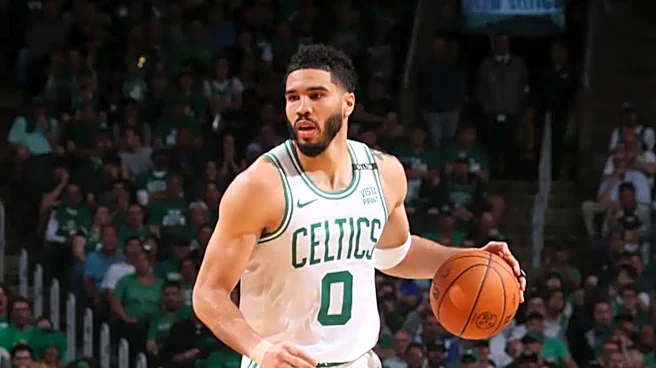
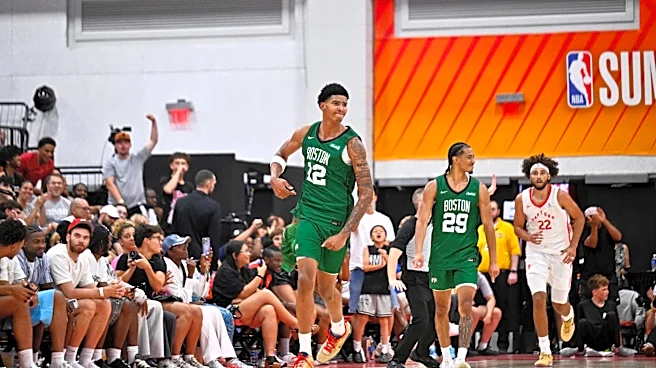
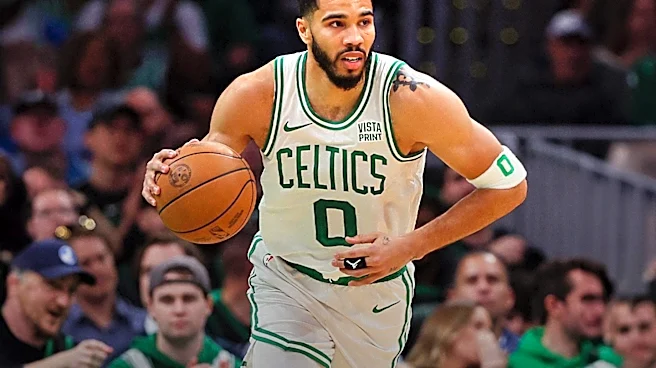
The Boston Celtics have a storied history of building their teams through the NBA draft, with numerous players being selected from various colleges, including Richmond. The article highlights the contributions of players drafted from Richmond, focusing
on John Schweitz, who was selected in the 6th round of the 1982 NBA Draft. Despite being drafted, Schweitz did not make the team. The Celtics have historically relied on the draft to acquire talent, with both prominent and lesser-known schools contributing to their roster over the years. This approach has been a significant part of the Celtics' strategy in assembling competitive teams.
Why It's Important?
The Celtics' strategy of drafting players from a diverse range of schools, including smaller programs like Richmond, underscores the importance of scouting and development in professional basketball. This approach allows teams to discover hidden talents and build a roster that can compete at the highest levels. For the Celtics, this method has been instrumental in maintaining their status as one of the most successful franchises in NBA history. The focus on drafting players from various backgrounds also highlights the broader trend in the NBA of valuing potential and development over immediate star power.
What's Next?
As the Celtics continue to build their team, the draft will remain a crucial component of their strategy. Future drafts will likely see the team continuing to scout talent from a wide array of schools, including those with less visibility. This approach could lead to the discovery of new talents who can contribute to the team's success. Additionally, the Celtics may look to leverage their draft picks in trades to acquire established players, further enhancing their roster. The ongoing evaluation of past draft strategies will inform future decisions, ensuring the team remains competitive.
Beyond the Headlines
The Celtics' draft strategy reflects a broader cultural shift in the NBA towards inclusivity and diversity in player selection. By valuing players from smaller programs, the league promotes a more equitable playing field where talent can be recognized regardless of the school's prestige. This approach not only benefits the teams but also provides opportunities for players who might otherwise be overlooked. The emphasis on development and potential aligns with the NBA's commitment to fostering talent and ensuring the league's long-term growth and success.