

What's Happening?
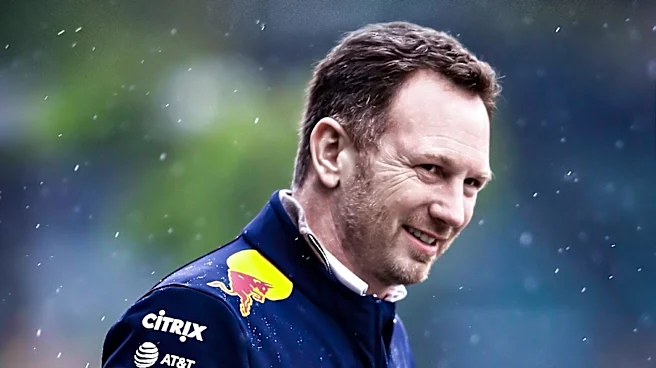
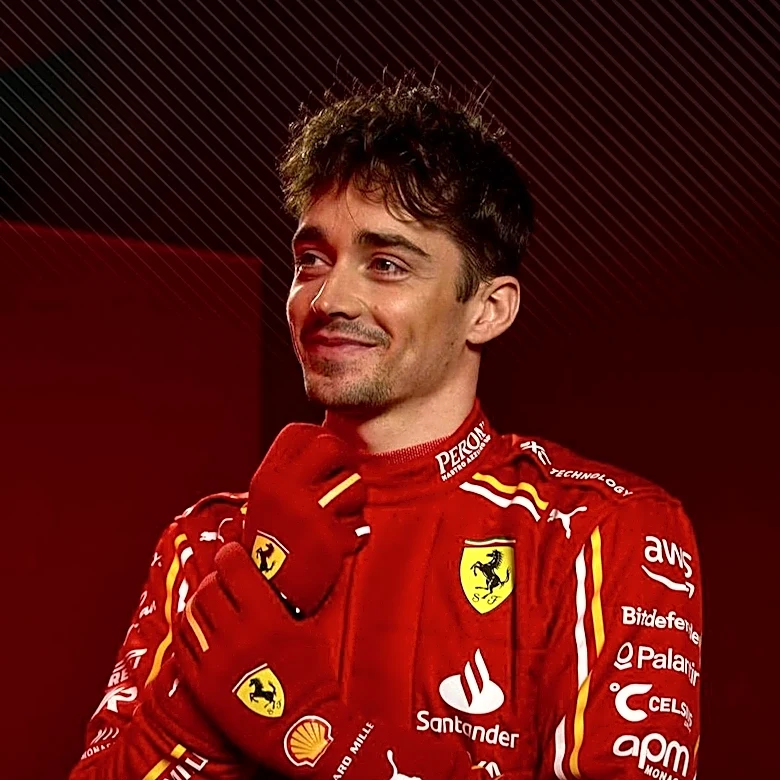
Former Formula 1 driver Marc Surer has proposed Christian Horner as the 'perfect man' to lead Ferrari and resolve its current issues, including tensions between drivers Lewis Hamilton and Charles Leclerc. Surer's comments follow a period of strategic
missteps and internal friction at Ferrari, particularly highlighted by incidents during the Dutch and Italian Grands Prix where Hamilton and Leclerc had on-track clashes and disagreements over team strategy. Team principal Fred Vasseur has faced criticism for his handling of these situations, with Surer suggesting a lack of assertiveness. While there is no indication that Ferrari has approached Horner, Surer believes his leadership style, which emphasizes bringing in trusted personnel and making decisive changes, could be beneficial for the Italian team.
Why It's Important?
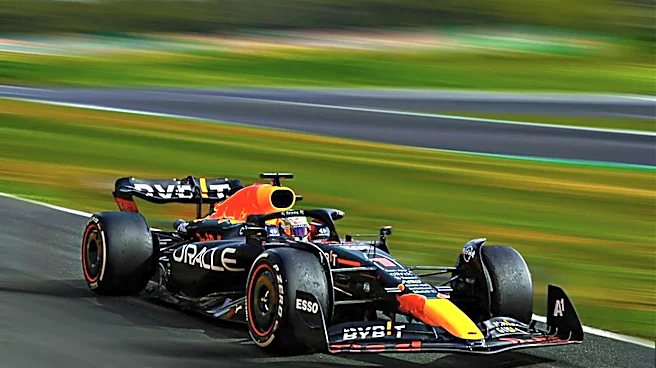
The suggestion of Christian Horner for Ferrari's leadership underscores the perceived need for strong, decisive management within the iconic Formula 1 team. Ferrari has struggled to secure a drivers' or constructors' title for an extended period, and internal tensions between star drivers like Hamilton and Leclerc can further destabilize their championship aspirations. A leader like Horner, known for his success at Red Bull, could bring a new strategic vision and a more assertive approach to team management, potentially resolving the current issues and fostering a more cohesive environment. The ability to manage high-profile drivers and make tough strategic calls is crucial in Formula 1, and the current criticism of Fred Vasseur highlights the impact of leadership on team performance and morale. This discussion reflects the ongoing quest for Ferrari to find the right leadership to return to its winning ways.
What's Next?
While Christian Horner's potential move to Ferrari remains speculative, the discussion itself highlights the ongoing scrutiny of Ferrari's leadership and team dynamics. If Ferrari were to consider a change in leadership, the process would involve significant strategic planning, including the potential for a new team principal to bring in their own staff, as suggested by Surer. The immediate focus for Ferrari will be to address the current strategic errors and driver tensions under Fred Vasseur's leadership. The team's performance in upcoming races will be critical in determining whether the current management can effectively steer the team towards success or if calls for a leadership change will intensify. Any significant leadership change would likely involve a period of transition and could impact the team's long-term development and driver contracts.
Beyond the Headlines
The debate over Ferrari's leadership and the suggestion of Christian Horner touch upon deeper issues within Formula 1, particularly the balance between a team's historical identity and the need for modern, results-driven management. Ferrari's unique position as a national symbol in Italy often means that internal changes are met with intense public and media scrutiny. The idea of bringing in an external leader like Horner, who has a proven track record but also a distinct management style, could challenge traditional structures within the team. This scenario also reflects the broader trend in sports where successful leaders from one organization are often sought after by others facing performance challenges. The success or failure of such a move, if it were to occur, would not only impact Ferrari but also influence perceptions of leadership effectiveness across the sport.