




What's Happening?
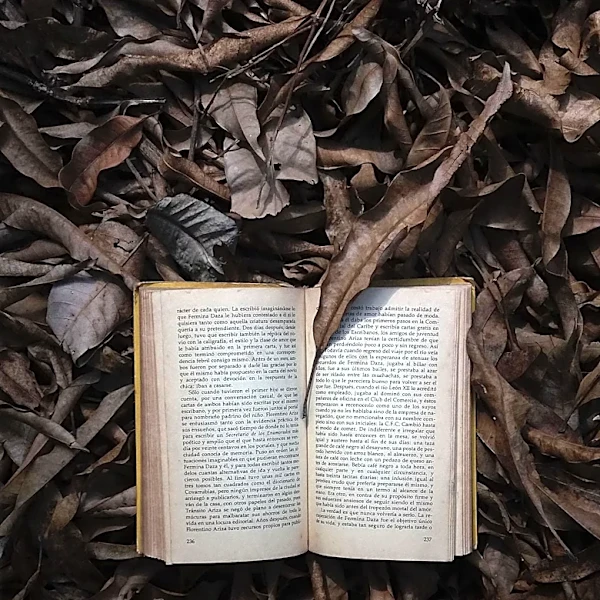
Kristin Harmel's novel, "The Winemaker's Wife," is described as an intriguing read focusing on the resilience and determination of the French people during World War II. The book primarily features a dual timeline, with the main narrative set in northern
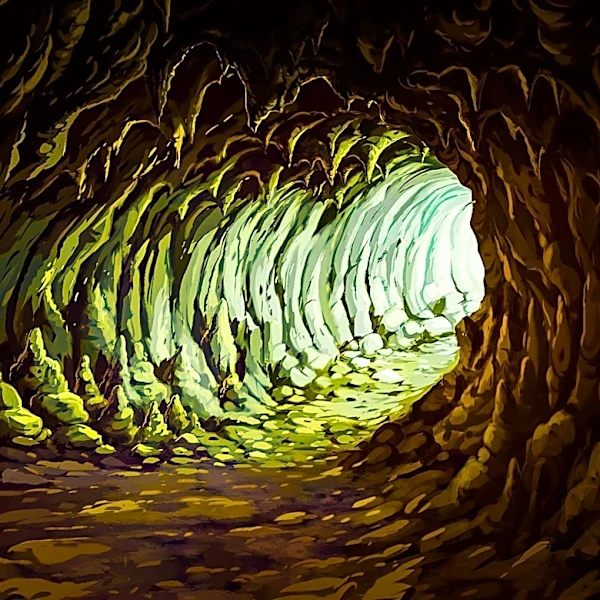
France during WWII, interspersed with contemporary chapters. The story delves into the lives of three main protagonists during the WWII era: Michel Chauveau, his wife Ines, and Theo and Celine Laurent. Michel inherits Maison Chauveau, a unique winery with an elaborate system of caves where champagne is made and stored. Much of the dramatic action unfolds within these caves. Michel is involved with the French Resistance, while his wife Ines, feeling excluded, makes decisions with catastrophic consequences. The contemporary storyline involves Grandma Edith and Liv, with readers often eager to return to the WWII narrative.
Why It's Important?
Historical fiction like "The Winemaker's Wife" plays a significant role in preserving and interpreting historical events, offering readers a human-centered perspective on complex periods such as World War II. By focusing on the resilience of the French people, the novel contributes to a broader understanding of the war's impact beyond military strategies and political decisions. It highlights the personal struggles, sacrifices, and acts of defiance by ordinary citizens, which are crucial for a comprehensive historical narrative. For U.S. readers, such stories can foster empathy and provide insights into the experiences of other nations during global conflicts, enriching their understanding of international history and the enduring human spirit in times of adversity. The book's exploration of the French Resistance also underscores the importance of individual and collective action against oppression.
What's Next?
Kristin Harmel's "The Winemaker's Wife" is likely to continue to resonate with readers interested in historical fiction, particularly those drawn to World War II narratives and stories of resilience. The book's dual timeline structure and focus on the French Resistance offer avenues for further discussion and exploration in book clubs and literary communities. Given its themes, it may also inspire readers to delve deeper into the history of winemaking in France or the specific details of the French Resistance movement. The success of such novels often leads to continued interest in the author's other works and encourages publishers to seek out similar historical narratives that highlight human endurance and courage during challenging times.
Beyond the Headlines
Beyond its narrative appeal, "The Winemaker's Wife" touches upon deeper implications regarding the role of cultural heritage, such as winemaking, in national identity and resistance. The preservation of Maison Chauveau's unique winemaking process amidst the turmoil of war symbolizes the broader struggle to maintain cultural integrity and tradition in the face of occupation. The novel also subtly explores the ethical complexities of wartime decisions, including collaboration and resistance, and the personal toll these choices take on individuals and families. The interweaving of past and present timelines suggests a continuous dialogue with history, emphasizing how past events continue to shape contemporary lives and understanding. This narrative approach encourages reflection on the enduring legacy of historical conflicts and the importance of remembering collective and individual acts of courage.