



What's Happening?
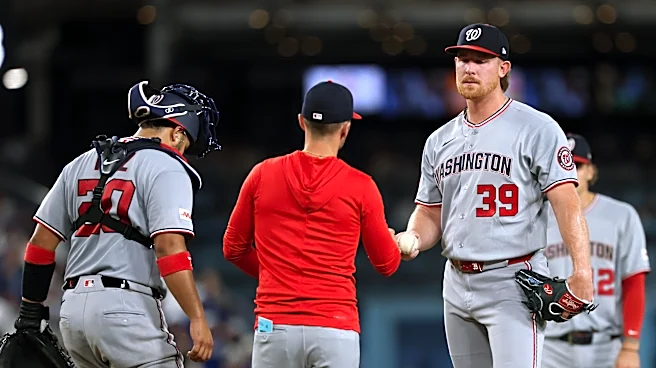
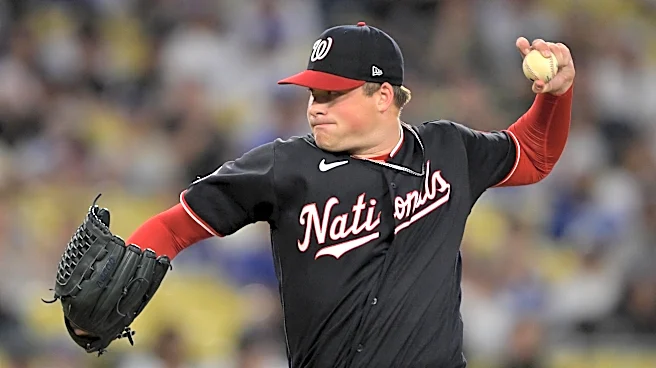
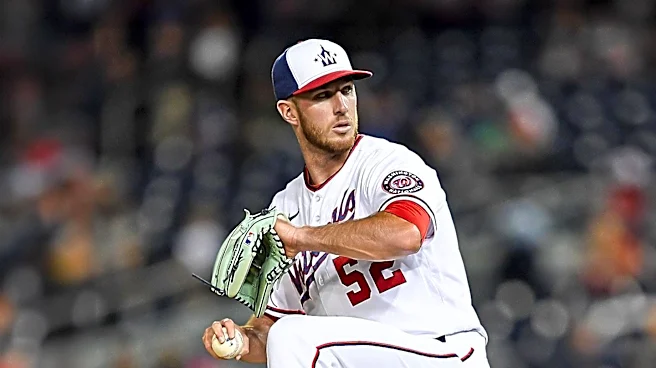
The Washington Nationals are grappling with a significant bullpen issue, having tied the major league record for blown saves in a single season with 37. This critical problem was highlighted in a recent game where the Nationals, leading 5-4 in the ninth
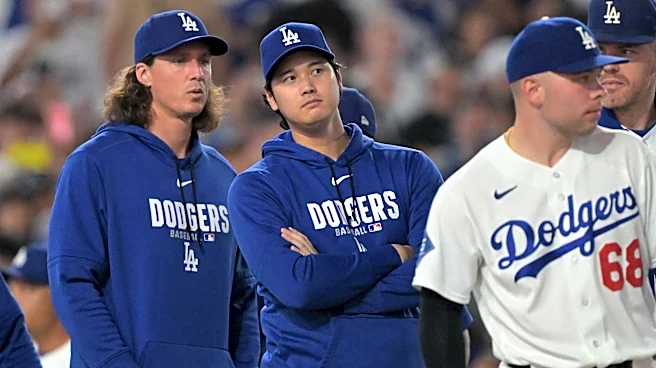
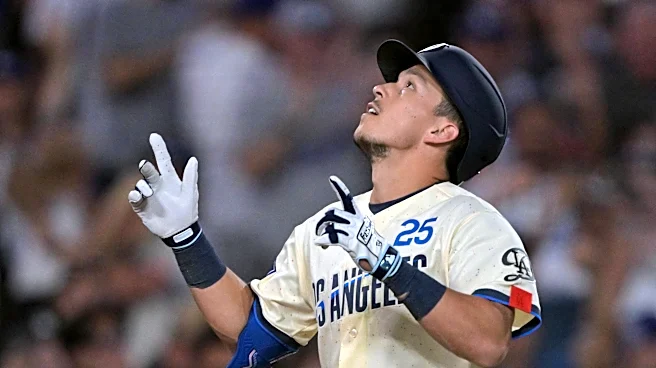
inning, surrendered a three-run homer to Mookie Betts, resulting in a loss to the Los Angeles Dodgers and a series sweep. Manager Blake Butera expressed frustration, stating that a team cannot be successful with so many blown saves and emphasized the need for a thorough review of the bullpen's composition and strategy. The team's current record stands at 67-78, placing them fourth in the NL East. While their starting rotation has shown strength, leading MLB with a .191 opponents’ batting average over the last 14 games, the late-game collapses have undermined their efforts. The Nationals also recently placed right-handed reliever Orlando Ribalta on the 15-day injured list due to right forearm inflammation, adding to their bullpen challenges.
Why It's Important?
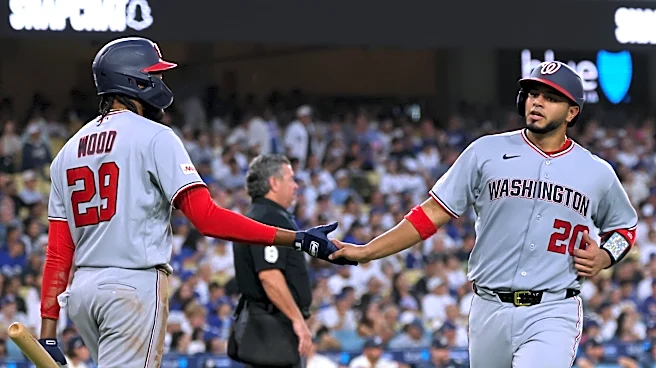
The Nationals' ongoing bullpen struggles have profound implications for their competitive aspirations and organizational strategy. Tying the major league record for blown saves underscores a systemic failure in closing out games, directly impacting their win-loss record and playoff chances. If even a fraction of these blown saves had been converted into wins, the team's standing would be dramatically different, potentially placing them in contention for a wild-card spot. This issue is particularly frustrating given the encouraging progress of the team's offense, with young talents like James Wood and CJ Abrams showing promise. A reliable bullpen is crucial for a developing offense, as it provides the necessary support to convert competitive games into victories. The continuous late-inning collapses not only lead to losses but also place immense pressure on the offense and starting rotation, hindering overall team development and morale. Furthermore, the financial flexibility available to the Nationals, with over $50 million coming off the books, presents a clear opportunity to invest in a proven closer, making the current bullpen's underperformance a missed opportunity for immediate improvement.
What's Next?
The immediate future for the Washington Nationals will likely involve a concerted effort to address their bullpen deficiencies. Manager Blake Butera's comments suggest that the front office is under pressure to invest significantly in a proven closer during the upcoming offseason. This could involve pursuing established free-agent closers, trading for relievers with a track record of success, or acquiring pitchers who have demonstrated effectiveness in high-leverage situations. The organization needs to move beyond temporary solutions and experiments with inexperienced relievers. The placement of Orlando Ribalta on the injured list further highlights the urgency of this need, as his absence creates another void in an already struggling relief corps. The team will also need to determine the severity of Ribalta's injury, as a prolonged absence could necessitate additional acquisitions. Beyond a closer, the Nationals will likely seek to bolster their entire bullpen with dependable seventh and eighth-inning relievers to reduce pressure on the closer and ensure leads are maintained. The team's performance in the remaining games of the season will continue to emphasize the critical need for these changes.
Beyond the Headlines
The persistent bullpen issues for the Washington Nationals extend beyond mere game outcomes, touching upon deeper organizational philosophy and player development. The reliance on committees, converted starters, and inexperienced relievers for critical late-game situations reflects a long-standing challenge in securing a reliable closer. This approach, while potentially cost-effective in the short term, has proven detrimental to the team's ability to capitalize on competitive opportunities and foster a winning culture. The repeated failures to close out games can erode player confidence, particularly among the young offensive core, who need to see tangible investment in winning. Ethically, the organization faces a responsibility to its players and fanbase to build a competitive team, and neglecting a critical area like the bullpen can be seen as a failure to uphold that commitment. The long-term shift required is a strategic investment in proven talent for high-leverage roles, signaling a commitment to winning and providing a stable environment for player growth. This shift could redefine the team's identity and accelerate its return to contention, moving from a team of 'potential' to one that consistently 'finishes the job.'