






What's Happening?
WK Kellogg Co is actively recruiting Hourly Production Operators for its Battle Creek, Michigan plant. The company, which traces its origins back to W.K. Kellogg's creation of Corn Flakes in 1894, is looking for individuals to operate and maintain processing,
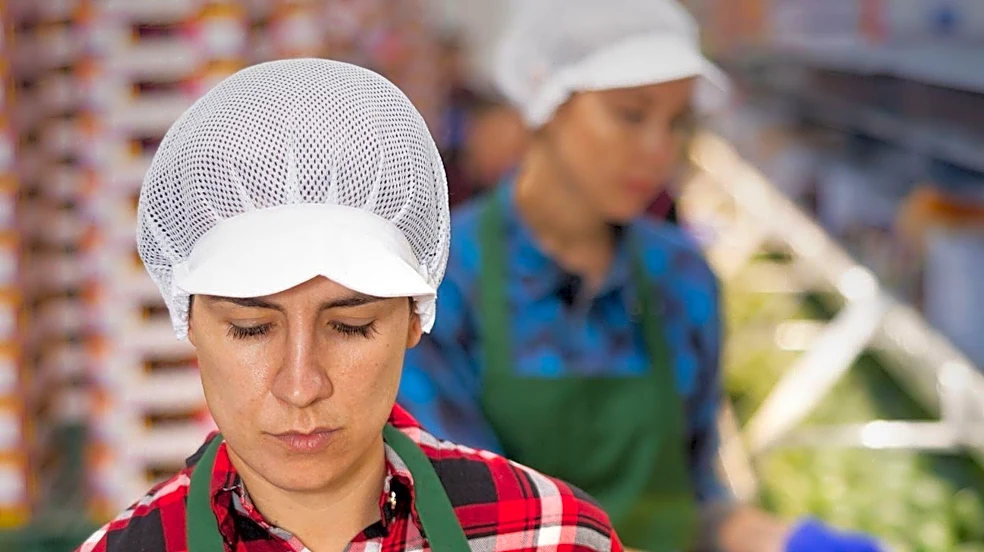
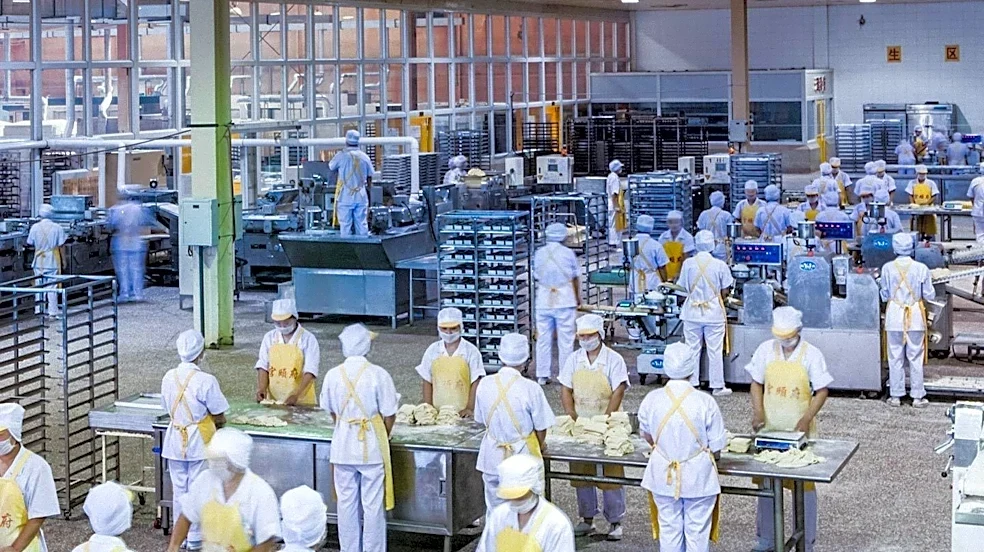
packaging, or warehouse equipment, including forklifts and transporters. Responsibilities for these roles also encompass equipment setup, changeovers, sanitation, housekeeping, and executing Autonomous Maintenance tasks. Candidates are expected to document activities, communicate effectively, and adhere to safety, Good Manufacturing Practices (GMP), quality, and food safety standards. The positions require adaptability to changing tasks and priorities, and the ability to train fellow operators using a Train-the-Trainer model. Applicants should possess a high school diploma or equivalent and at least two years of experience in fast-paced, hands-on environments such as manufacturing, assembly lines, warehousing, construction, or field operations. Familiarity with safety protocols, Standard Operating Procedures (SOPs), and equipment operation is also required.
Why It's Important?
The recruitment drive by WK Kellogg Co for production operators in Battle Creek, Michigan, is significant for the local economy and the broader U.S. manufacturing sector. As a major food producer with iconic brands like Frosted Flakes, Rice Krispies, Froot Loops, and Special K, WK Kellogg Co's operational stability and growth directly impact employment opportunities and supply chain resilience. The demand for skilled labor in manufacturing roles, particularly those requiring familiarity with safety protocols and equipment operation, underscores the ongoing need for a robust industrial workforce. These positions offer benefits such as health, dental, and vision insurance, savings and investment plans with company match, and life insurance, contributing to the economic well-being of employees and their families. The company's commitment to providing benefits that support 'Total Health'—physically, financially, emotionally, and socially—reflects a broader trend in corporate responsibility aimed at attracting and retaining talent in competitive labor markets. The continuous production of popular breakfast cereals also plays a role in the daily lives of millions of consumers across North America, highlighting the essential nature of the food manufacturing industry.
What's Next?
WK Kellogg Co will continue its hiring process for Hourly Production Operators, evaluating candidates based on their experience, skills, and ability to meet the job requirements. Successful applicants will undergo training, potentially including the Train-the-Trainer model, to ensure they are proficient in operating and maintaining equipment, adhering to safety standards, and contributing to production goals. The company emphasizes a commitment to providing an inclusive work environment and embracing diverse talent, suggesting ongoing efforts to foster a supportive workplace culture. As new operators join, they will contribute to the production of WK Kellogg Co's extensive portfolio of brands, ensuring the continued availability of these products in households across North America. The company's focus on operational efficiency and quality control will likely lead to continuous improvement initiatives within the plant, potentially involving further training and technological integration to enhance productivity and safety. The long-term impact will be the sustained operation of a key manufacturing facility, supporting both local employment and the national food supply chain.
Beyond the Headlines
Beyond the immediate hiring needs, WK Kellogg Co's recruitment efforts reflect deeper trends within the U.S. manufacturing landscape, particularly in the food industry. The emphasis on 'Autonomous Maintenance tasks' and 'Train-the-Trainer' models suggests a move towards empowering employees with greater responsibility and fostering a culture of continuous learning and self-sufficiency on the factory floor. This approach can lead to increased efficiency, reduced downtime, and a more engaged workforce. Furthermore, the company's explicit mention of its commitment to 'creating joy and connection to inspire Gr-r-reat days' and its historical foundation rooted in innovation and entrepreneurship highlights the enduring cultural significance of its brands. These products are not merely commodities but are deeply embedded in the daily routines and childhood memories of many Americans. The company's dedication to 'doing good' through nutritious foods, social connectivity, and respecting natural resources also points to a growing corporate awareness of environmental, social, and governance (ESG) factors, which are increasingly important to consumers and investors alike. This holistic approach to business operations, encompassing employee well-being, product quality, and societal impact, underscores the evolving role of large corporations in the modern economy.