



What's Happening?
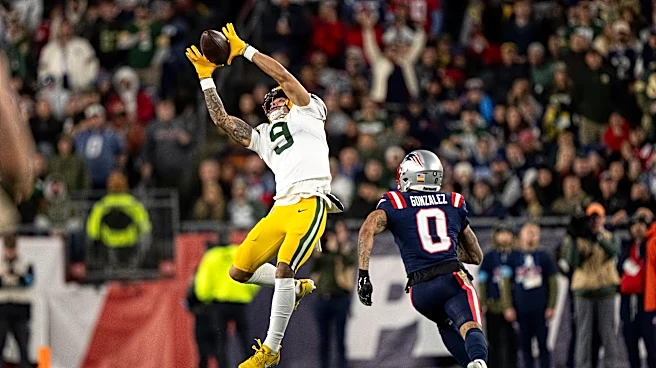
The Green Bay Packers' decision to remain inactive at the recent trade deadline has drawn criticism, with some analysts suggesting it has provided a strategic advantage to their division rival, the Chicago Bears. According to Da Windy City, the Packers,
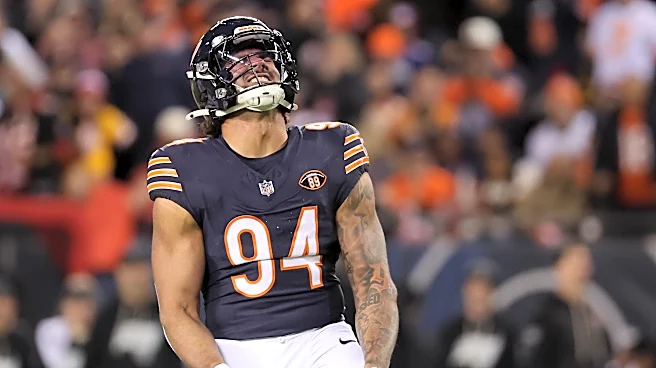
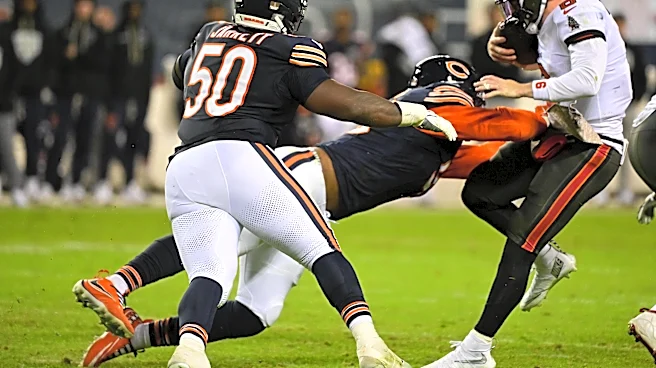
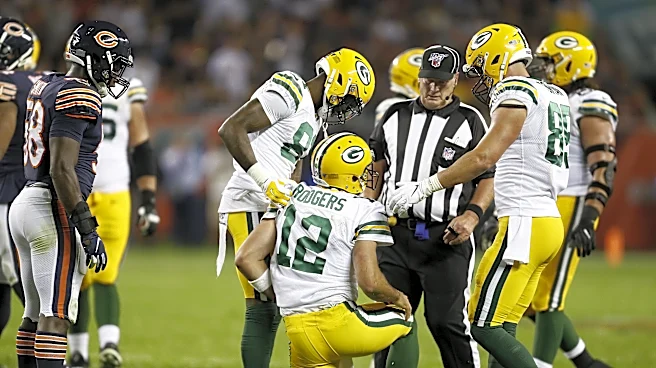
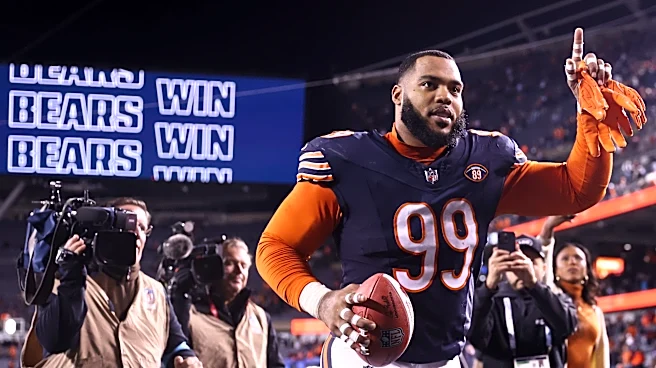
despite having one of the worst rushing games and offensive lines in the league, failed to make any moves to address these glaring weaknesses, such as trading for another running back, even with Josh Jacobs dealing with an injury. This inaction is seen as a missed opportunity to bolster their roster. In contrast, the Chicago Bears acquired Jeffery Simmons, a move that is expected to significantly strengthen their defense. This disparity in trade deadline activity is predicted to impact the upcoming Week 16 matchup between the two teams at Soldier Field, potentially giving the Bears a clear blueprint to attack the Packers' vulnerabilities.
Why It's Important?
This situation is important because it highlights the critical role of strategic roster management in the NFL, particularly at the trade deadline. The Packers' perceived 'laughable approach' (Da Windy City) to not addressing their team's deficiencies could have significant on-field consequences, potentially impacting their playoff aspirations and overall season trajectory. For the Chicago Bears, the Packers' inaction, coupled with their own acquisition of Jeffery Simmons, creates a tangible competitive edge. This shift in divisional dynamics can influence game outcomes, fan morale, and the financial performance of both franchises through ticket sales and merchandise. Furthermore, it underscores how a single decision point, like the trade deadline, can alter the competitive balance within a division and the league as a whole, affecting who stands to gain or lose in the long run.
What's Next?
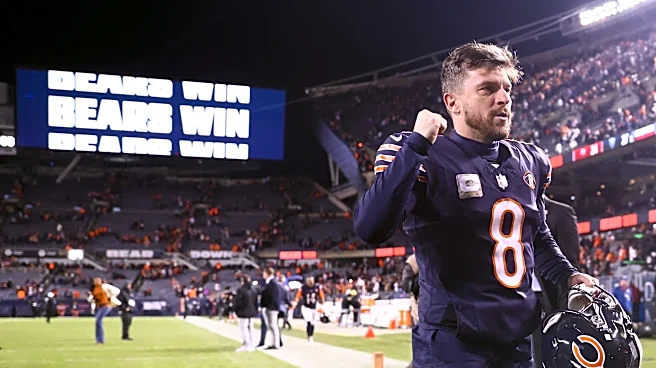
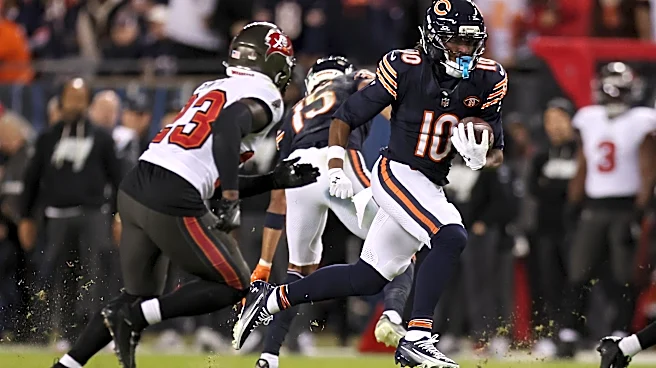
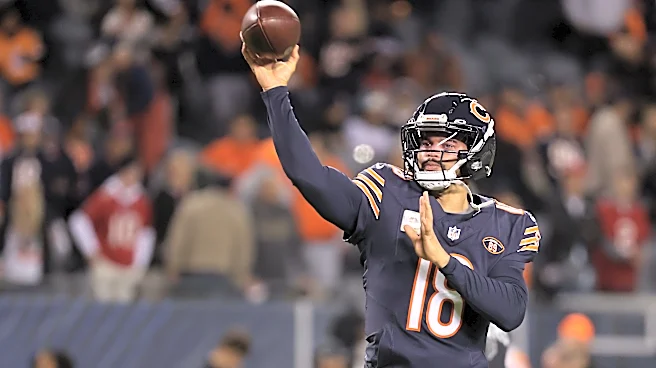
The Green Bay Packers are set to face the Chicago Bears in Week 16 at Soldier Field. The Bears, now bolstered by the addition of Jeffery Simmons, are expected to exploit the Packers' weaknesses, particularly their struggling offensive line and run game. The Packers will need to devise a game plan to counter the improved Bears' defense and mitigate the impact of their own unaddressed roster issues. The outcome of this game will be a significant indicator of whether the Packers' trade deadline inaction was a critical misstep or a calculated risk that pays off. The Bears, having made strategic moves, will be looking to capitalize on their perceived advantage and potentially turn the tables on a rival they previously lost to earlier in the season.
Beyond the Headlines
The Packers' decision to stand pat at the trade deadline, despite clear needs, could reflect a deeper organizational philosophy regarding team building and long-term strategy. It might indicate a belief in their current roster's ability to overcome challenges or a reluctance to part with draft capital for short-term gains. However, this approach carries inherent risks, especially in a highly competitive league where rivals are actively seeking improvements. The contrast with the Bears' proactive stance highlights differing philosophies on how to maximize a team's potential during the season. This situation could also spark broader discussions about the effectiveness of different team-building strategies in the NFL, particularly the balance between developing internal talent and acquiring external help. The long-term implications could include a re-evaluation of the Packers' front office strategy if their performance falters due to unaddressed weaknesses.