




What's Happening?
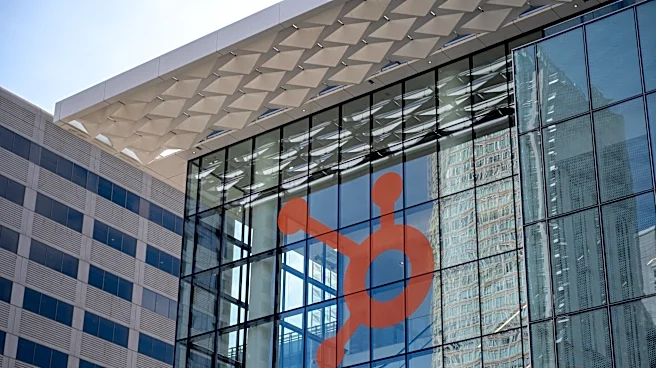
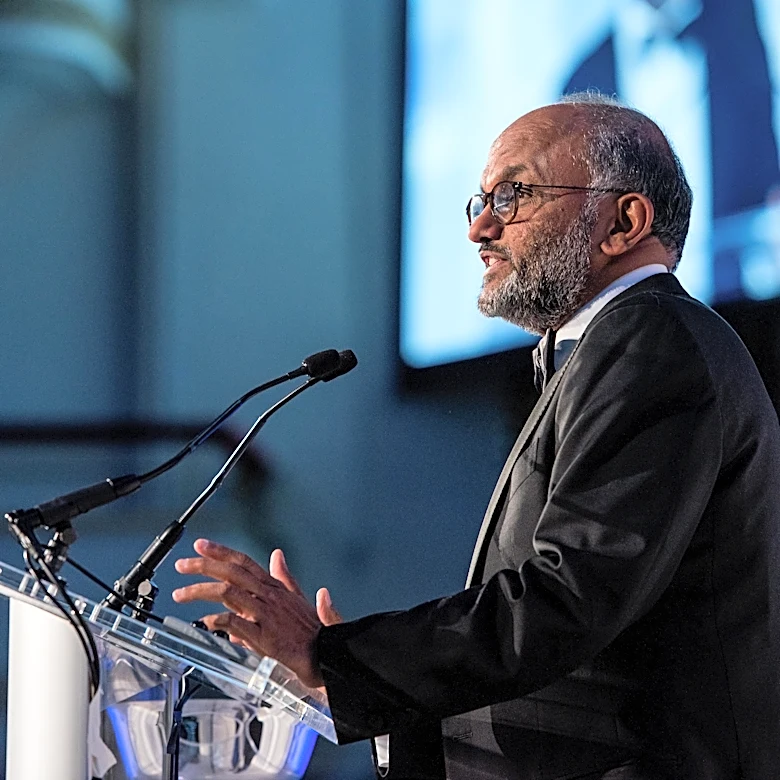
HubSpot announced on November 12 that co-founder Brian Halligan would return as CEO, replacing Yamini Rangan, who had served in the role since 2021. Rangan will remain with the company until December 1 to facilitate a smooth transition. This leadership
change occurs despite significant growth under Rangan's tenure, during which HubSpot's customer base expanded from 135,000 to over 311,000, and revenue increased from $1.3 billion in 2021 to a projected $3.7 billion in 2026. Halligan's return is framed as a 'refounding' of the company, with plans to reorient HubSpot around a 'customer relationship harness' and 'Headless HubSpot.' This strategic pivot comes after a 7% staff reduction and a forecast of 12% revenue growth in Q4, a decrease from 17% in Q3.
Why It's Important?
The decision to bring back a founder, despite strong performance from the outgoing CEO, highlights a growing trend in the technology sector where companies seek deep institutional knowledge and entrepreneurial vision to navigate significant industry shifts, such as the rise of AI. This move suggests that HubSpot's board believes Halligan's unique understanding of the company's foundational principles and his strategic foresight are crucial for its next phase of development. For the broader business landscape, this raises questions about the optimal leadership for companies facing transformative technological changes: whether a founder's vision or a professional executive's scaling expertise is more valuable. The emphasis on 'customer relationship harness' and 'Headless HubSpot' indicates a potential shift in product strategy, aiming for more integrated and flexible solutions, which could impact how businesses interact with their CRM platforms and adapt to evolving customer engagement models.
What's Next?
Brian Halligan's immediate focus will be on implementing his vision for a 'customer relationship harness' and 'Headless HubSpot,' which will likely involve significant product development and strategic reorientation. The transition period with Yamini Rangan until December 1 is intended to ensure continuity and a smooth handover of responsibilities. The company's performance in the upcoming quarters, particularly its ability to accelerate revenue growth beyond the projected 12% for Q4, will be closely watched as an indicator of the success of this leadership change and strategic direction. Stakeholders, including investors, employees, and customers, will be observing how Halligan's 'refounding' impacts HubSpot's market position and its ability to innovate in the competitive CRM and marketing automation space.
Beyond the Headlines
The return of a founder to a company that has experienced substantial growth under professional leadership underscores a deeper debate within corporate governance regarding the role of founders versus professional managers, especially during periods of rapid technological evolution like the current AI revolution. This move suggests that some boards prioritize a founder's intrinsic understanding and long-term vision over a professional CEO's proven ability to scale operations. It also highlights the increasing pressure on tech companies to adapt quickly to new paradigms, even if it means disrupting successful existing strategies. The concept of 'Headless HubSpot' could signify a broader industry trend towards more modular and API-driven software solutions, allowing greater customization and integration for businesses, which could have long-term implications for enterprise software architecture and adoption.