




What's Happening?
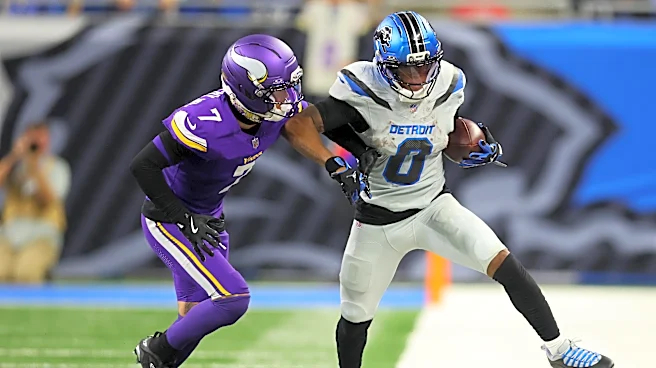
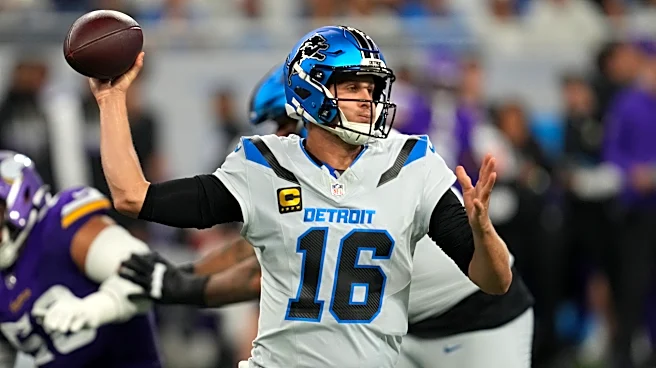
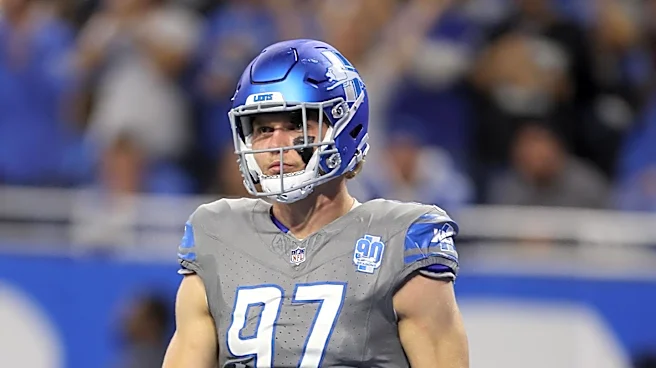
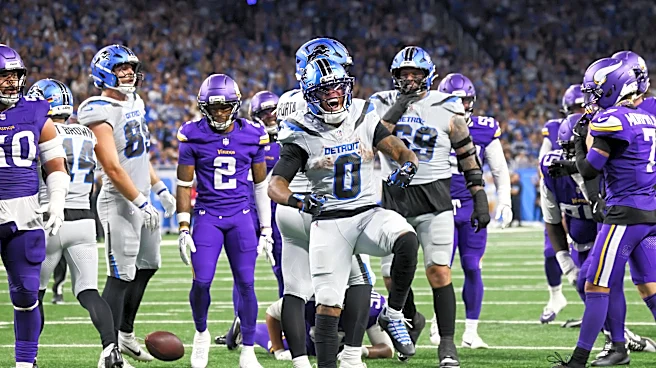
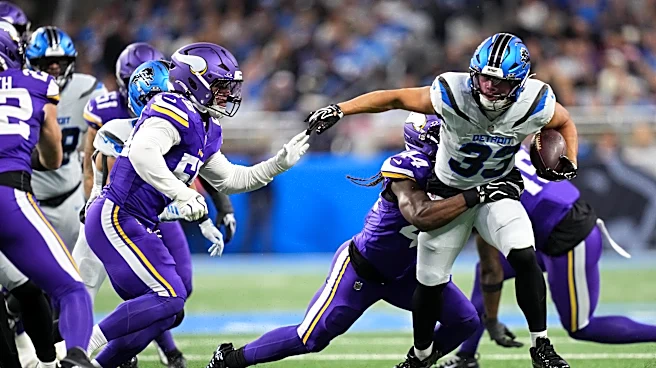
The Detroit Lions have provided updates on several player injuries following their Week 8 victory over the Minnesota Vikings. Linebacker Jimmy Rolder's rookie season has concluded due to a hamstring injury that may require surgery. Rolder sustained the injury on the same
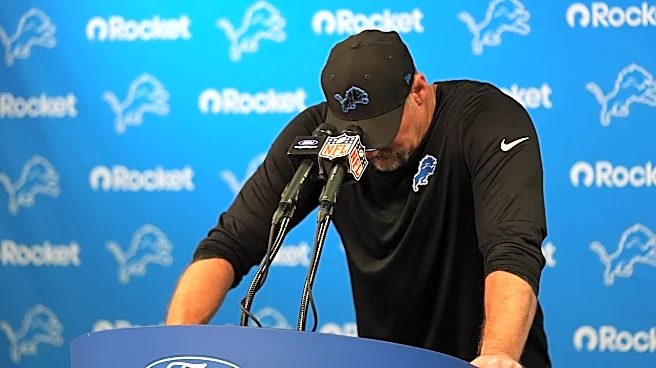
play that injured All-Pro linebacker Jack Campbell, and he was seen visibly frustrated on the field. Despite showing promise in his limited appearances, including his first career sack, Rolder will now focus on recovery for the 2027 season. Additionally, D.J. Wonnum and Brian Branch are both in the NFL's concussion protocol after being injured during tackles in the first half of the game. While both are progressing through the initial steps, they must complete all protocol requirements before returning to play. Other players with injuries include Cade Mays (low ankle sprain), D.J. Reed (hip), and Jacobs Saylors (neck), with their statuses for upcoming practices uncertain.
Why It's Important?
These injuries significantly impact the Detroit Lions' roster depth and strategic planning as they head into the remainder of the season. The loss of Jimmy Rolder for the season, coupled with the concussion protocol for D.J. Wonnum and Brian Branch, creates immediate voids in key defensive positions. This forces the coaching staff to adjust game plans and rely on backup players, who may have less experience or different skill sets. For a team aiming for sustained success, managing multiple injuries, especially to promising rookies and key contributors, tests the depth of the roster and the effectiveness of player development. The concussion protocol for Wonnum and Branch highlights the NFL's ongoing commitment to player safety, but it also means their return timelines are uncertain and depend on their individual recovery progress. The collective impact of these injuries could influence the team's performance in upcoming games and potentially affect their standing in the league, requiring other players to step up and perform under increased pressure.
What's Next?
The Detroit Lions will continue to monitor the recovery of their injured players and make roster adjustments as necessary. Jimmy Rolder will begin his rehabilitation process with an eye toward returning for the 2027 season, potentially undergoing surgery for his hamstring injury. D.J. Wonnum and Brian Branch will remain in the NFL's concussion protocol, undergoing a series of tests and evaluations before they can be cleared to return to practice and game action. Their availability for upcoming games will depend on their progress through these mandated steps. For Cade Mays, D.J. Reed, and Jacobs Saylors, their participation in practice will be assessed on a day-to-day or week-to-week basis, with their return to play contingent on the severity of their respective injuries and their response to treatment. The coaching staff will need to prepare contingency plans, potentially elevating practice squad players or adjusting defensive schemes to compensate for the absence of key personnel in the short term.
Beyond the Headlines
The spate of injuries to Detroit Lions players, particularly the season-ending injury to rookie Jimmy Rolder and multiple concussions, underscores the inherent physical toll of professional football. Beyond the immediate impact on team performance, these incidents highlight broader concerns about player welfare and career longevity in the NFL. For rookies like Rolder, a season-ending injury can be a significant setback, delaying development and potentially impacting future contract negotiations. The prevalence of concussions also reinforces the ongoing debate and research into brain health in athletes, prompting continuous refinement of safety protocols and equipment. These injuries serve as a stark reminder of the human cost behind the sport's entertainment value, prompting discussions about player load management, injury prevention strategies, and the long-term support systems for athletes. The team's response to these challenges, including their medical care and rehabilitation programs, will be crucial for the well-being of their players and could influence how other organizations approach similar situations.