


What's Happening?
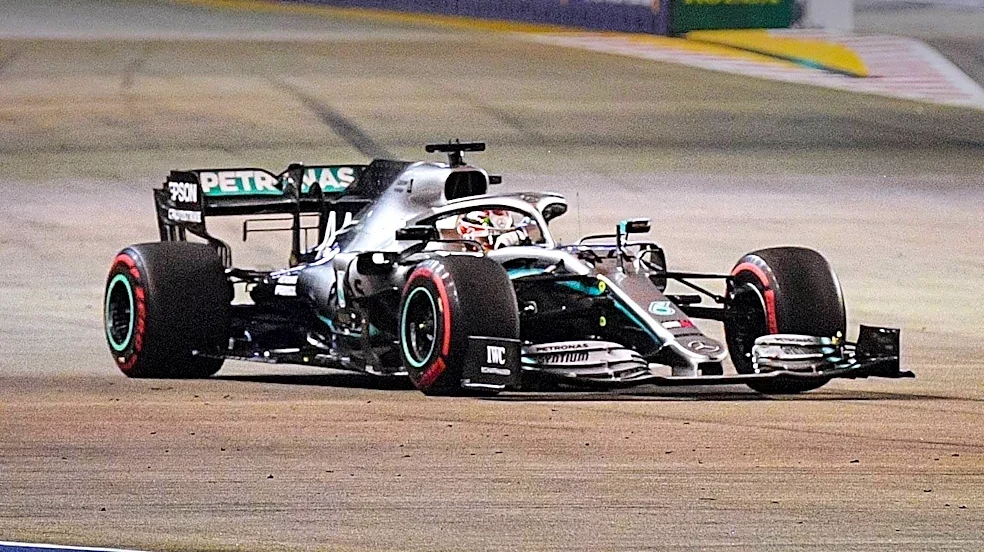
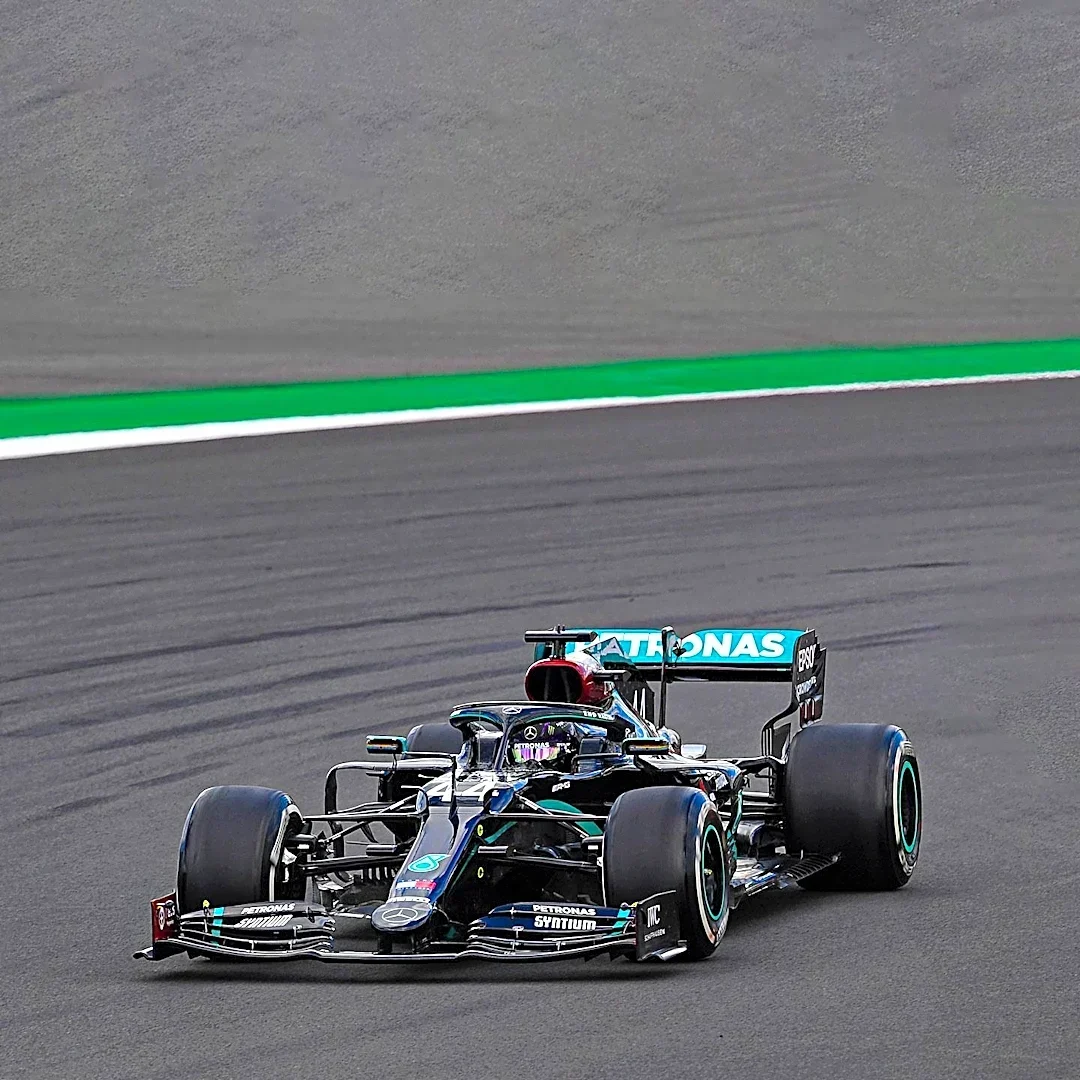
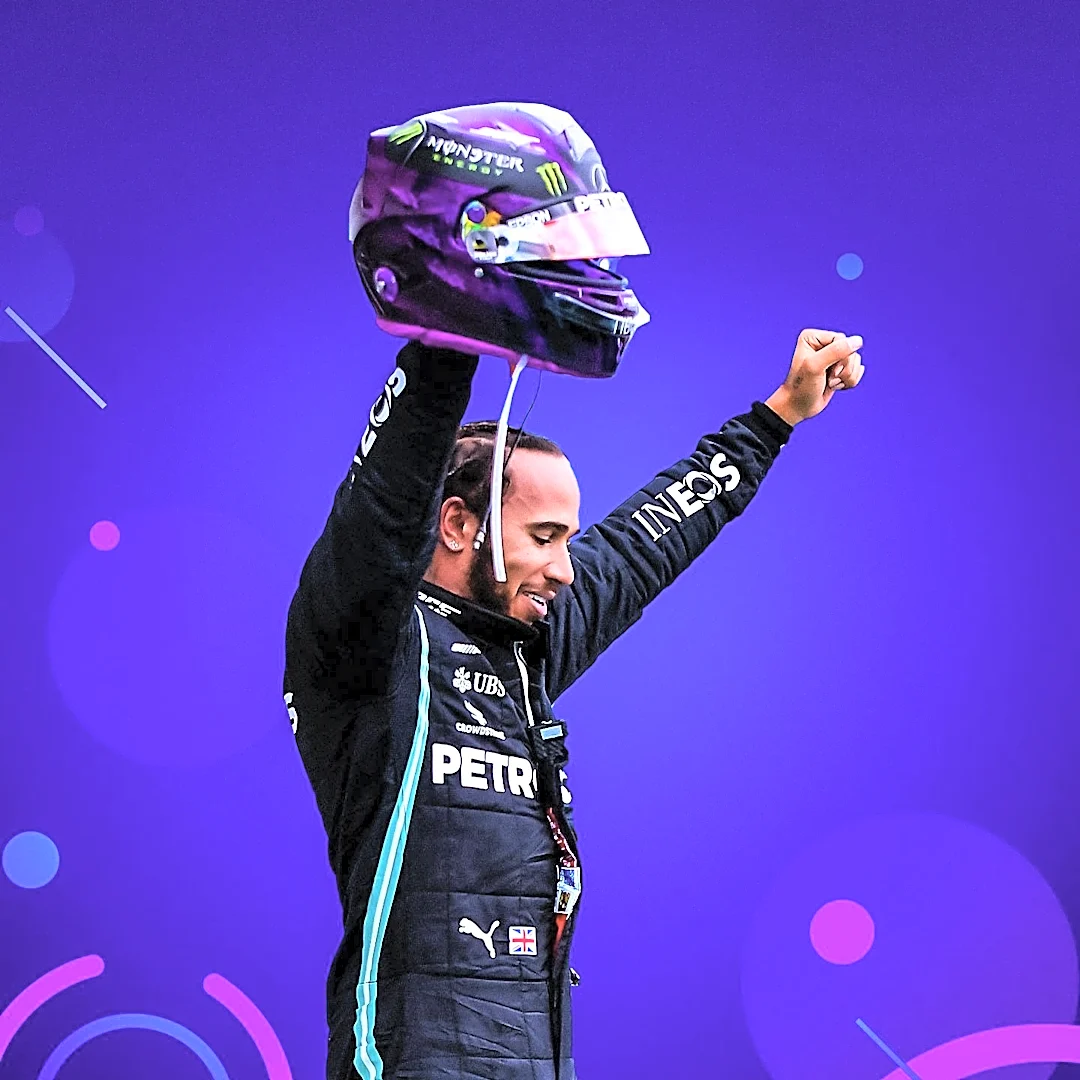
Lewis Hamilton's decision not to pit for a second time during the Singapore Grand Prix has sparked discussions about his trust in Ferrari's strategy decisions. According to former Aston Martin strategist Bernie Collins, Hamilton's actions suggest a 'lack
of trust' with the team. During a virtual safety car period, Hamilton was called to pit, but unlike his teammate Charles Leclerc, who pitted and secured second place, Hamilton stated he missed the pit entry and subsequently chose not to come in. This decision led to Hamilton struggling on old soft tires, resulting in him being overtaken by several drivers, including Leclerc, Kimi Antonelli, and two McLaren drivers, ultimately finishing in sixth place. Collins questioned whether Hamilton truly missed the pit entry, suggesting it was a deliberate decision. This incident follows a similar situation in Malaysia where Hamilton defied a pit wall call regarding tire strategy.
Why It's Important?
This incident is significant as it highlights potential internal friction and a breakdown in communication or trust between a high-profile driver like Lewis Hamilton and his team, Ferrari. In Formula 1, synchronized strategy between driver and pit wall is crucial for success. A driver's defiance of team orders, especially when it leads to a suboptimal race outcome, can have far-reaching consequences for team morale, future strategic decisions, and the overall performance of the team. For Ferrari, a team with a rich history but also a reputation for strategic missteps, this event could exacerbate existing concerns about their race management. It also puts a spotlight on Hamilton's role within the team, particularly as he aims for an eighth world championship, and whether he feels his input is adequately considered or if he needs to take more control in critical race moments.
What's Next?
The aftermath of the Singapore Grand Prix incident will likely involve internal discussions within Ferrari to address the perceived lack of trust and communication issues. Hamilton's public statements and his performance in subsequent races will be closely scrutinized for any signs of lingering tension or improved synergy with the pit wall. The team will need to re-evaluate its strategy communication protocols and potentially work on rebuilding confidence with Hamilton. For Hamilton, the challenge will be to balance his experience and instincts with the need to work cohesively within the team's strategic framework. The upcoming races, particularly the United States Grand Prix, will be crucial in observing how Ferrari and Hamilton move forward from this event and whether they can demonstrate a more unified approach to race strategy.
Beyond the Headlines
The dynamic between a star driver and their team's strategists is a complex one, often involving a delicate balance of trust, experience, and real-time decision-making under immense pressure. Hamilton's actions in Singapore could be interpreted as a driver asserting his autonomy and experience, believing his on-track perspective is superior to the data-driven calls from the pit wall. This raises broader questions about the role of human intuition versus algorithmic strategy in modern F1. While data analytics play an increasingly dominant role, the 'feel' of a driver for tire degradation or track conditions can sometimes offer critical insights. The incident also underscores the psychological aspect of racing, where a driver's confidence in their team's decisions can directly impact their performance and willingness to follow instructions, especially in high-stakes situations.