





What's Happening?
BNSF Railway has released its Thanksgiving Operating Plan, indicating that carload train service will continue without interruption during the holiday period. However, the company plans to limit yard, local, and road-switch assignments at terminals, aligning
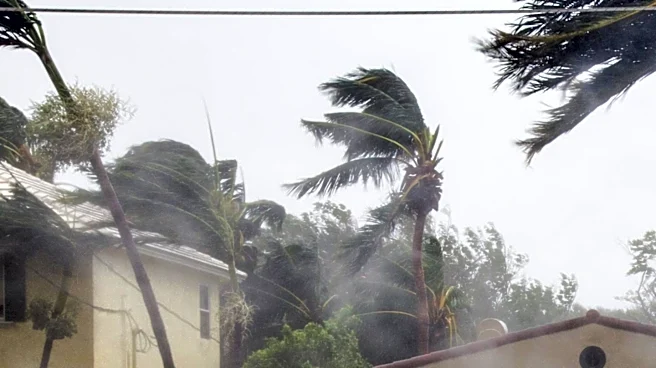
with anticipated customer activity and demand. BNSF has also issued a network update regarding expected weather conditions. Pacific storms are forecast to bring heavy rain, high winds, and mountain snow to the West Coast through the middle of next week, with Northern California expected to experience the most significant impacts. BNSF teams are actively monitoring conditions along routes between the Pacific Northwest and California and will adjust operations as necessary to ensure safe and reliable service. The rest of the network is not expected to face significant weather challenges during the holiday.
Why It's Important?
BNSF's Thanksgiving operating plan and weather advisories are crucial for U.S. businesses and supply chains, particularly those reliant on rail transportation for agriculture and energy sectors. The decision to limit certain yard and switching operations, while maintaining carload service, aims to balance holiday demand with operational efficiency. However, this could lead to delays for interline traffic, especially if connecting carriers also reduce their operations. The anticipated severe weather on the West Coast poses a significant risk to the timely movement of goods, potentially impacting industries that depend on consistent rail service for imports and exports through Pacific ports. Businesses need to be aware of potential disruptions and consult BNSF's Demurrage Tariff 6004-D for details on free time and charges applicable during the holiday period, as delays could incur additional costs.
What's Next?
BNSF will continue to monitor weather conditions on the West Coast and adjust its operations as needed to maintain safety and service reliability. Customers should stay informed through BNSF's network updates and communicate directly with the railway regarding specific shipments. The potential for interline traffic delays due to reduced operations by connecting carriers during the holiday period means that businesses should plan for possible extended transit times. The focus will be on mitigating the impact of the Pacific storms on rail infrastructure and ensuring the smooth flow of essential goods across the network, particularly as the peak intermodal shipping season progresses.
Beyond the Headlines
The BNSF Thanksgiving plan and weather alerts highlight the inherent vulnerabilities of complex supply chains to both seasonal operational adjustments and environmental factors. The reliance on rail for critical sectors like agriculture and energy means that any disruption can have ripple effects across the economy. This situation underscores the importance of robust contingency planning for businesses, including diversifying transportation methods or adjusting inventory levels in anticipation of potential delays. Furthermore, the increasing frequency and intensity of extreme weather events due to climate change could necessitate more proactive and adaptive strategies from transportation providers to ensure the resilience of national supply chains in the long term.