






What's Happening?
Retro-inspired appliances are experiencing a surge in popularity within homeware trends, offering a blend of vintage aesthetics and modern functionality. Brands like Elmira Stove Works, Smeg, and Galanz are prominent in this market, providing appliances such
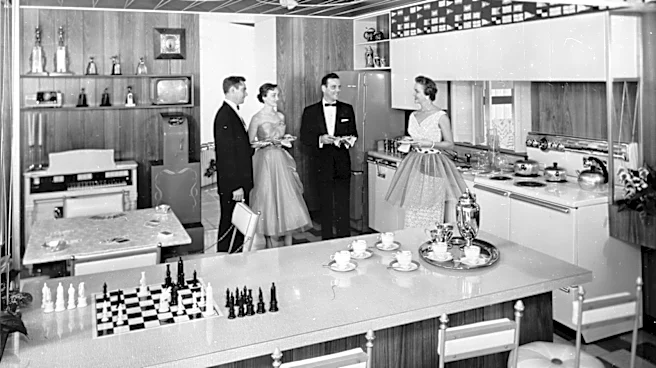
as refrigerators, stoves, toasters, and coffee pots in vibrant colors like cherry red, robin's egg blue, and mint green. The trend emphasizes incorporating a few key vintage pieces as focal points rather than overwhelming a space with too many retro items. This approach allows homeowners to add a touch of nostalgia and unique design without clashing with existing modern decor. The appeal lies in the ability of these appliances to introduce unexpected pops of color and a lived-in, authentic feel to a kitchen, moving beyond the limited color palettes typically found in standard appliances. The focus is on thoughtful integration, ensuring that retro pieces complement the overall style of the home.
Why It's Important?
The growing popularity of retro-inspired homeware signifies a broader shift in consumer preferences towards personalized and aesthetically rich living spaces. This trend impacts the appliance manufacturing industry, encouraging brands to innovate by combining classic designs with contemporary technology. For consumers, it offers an opportunity to express individuality and create unique home environments that reflect a sense of nostalgia and character. The emphasis on strategic placement of these items suggests a move away from uniform, mass-produced aesthetics towards more curated and eclectic interiors. This also influences retail strategies, as stores may need to adjust their inventory to meet the demand for these specialized, design-forward appliances. The trend highlights the enduring appeal of vintage styles and their capacity to add warmth and personality to modern homes, potentially influencing future design and manufacturing decisions across the homeware sector.
What's Next?
The continued demand for retro-inspired homeware is likely to drive further innovation in design and functionality. Manufacturers may explore new color palettes, expand their range of retro appliances to include more kitchen and home items, and integrate advanced smart home features into these vintage-style products. Retailers will likely increase their offerings of such items, potentially creating dedicated sections or curated collections to cater to this growing market segment. We might also see an increase in collaborations between appliance brands and interior designers to showcase how these pieces can be seamlessly integrated into various home styles. Additionally, the trend could inspire a broader movement towards sustainable consumption, as the appreciation for timeless design might encourage consumers to invest in durable, high-quality items that are less prone to rapid obsolescence, aligning with a more conscious approach to home furnishing.
Beyond the Headlines
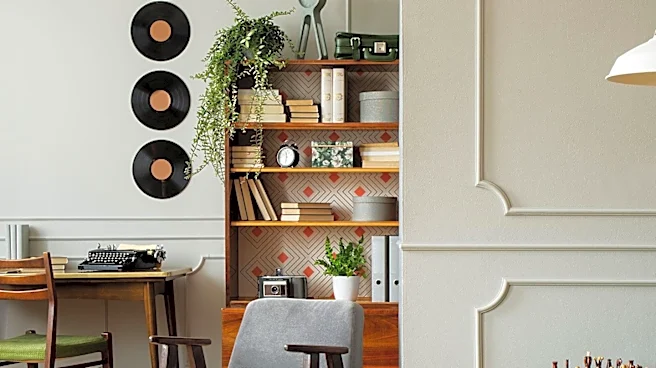
Beyond the immediate aesthetic appeal, the resurgence of retro-inspired homeware taps into deeper psychological and cultural currents. It reflects a collective yearning for nostalgia, comfort, and a connection to the past in an increasingly fast-paced and digital world. These appliances often evoke memories of simpler times, family gatherings, and a sense of tradition, transforming functional objects into emotional anchors within the home. This trend also challenges the notion that modern design must always be sleek and minimalist, advocating for a more eclectic and personality-driven approach to interior decorating. Ethically, it could promote a more sustainable consumption model by encouraging investment in durable, classic pieces that transcend fleeting trends. Culturally, it signifies a blending of eras, where the best of the past is reinterpreted for contemporary living, fostering a sense of continuity and heritage in our domestic spaces.