






What's Happening?
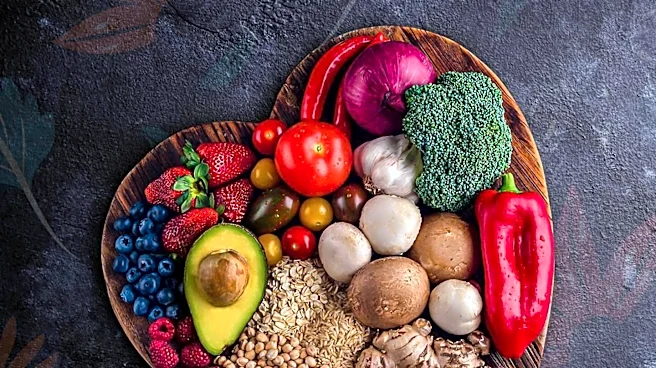
A plant-based diet, characterized by its focus on whole, minimally processed foods, is gaining recognition for its health benefits. This dietary approach prioritizes whole grains, legumes, nuts, and seeds, while minimizing processed meats, refined sugars,
and artificial additives. Key components include fiber-rich foods like brown rice and quinoa, protein-rich legumes such as beans and lentils, and healthy fats from nuts and seeds. Dr. Michael Greger, author of “How Not to Die,” states that a well-planned plant-based diet can provide all necessary nutrients for optimal health. Research indicates that incorporating 50% or more plant-based foods can significantly reduce the risk of chronic diseases, including heart disease, type 2 diabetes, and certain cancers. The diet's emphasis on fiber helps lower cholesterol, promote digestive health, and improve insulin sensitivity, contributing to better blood sugar control. Additionally, the reduction in saturated fats and animal fats associated with this diet further supports its health advantages.
Why It's Important?
The growing adoption of plant-based diets has significant implications for public health in the U.S. The emphasis on whole, unprocessed foods directly addresses many dietary issues prevalent in the standard American diet, which is often high in processed meats, refined sugars, and unhealthy fats. By reducing the intake of these components, individuals can mitigate their risk of chronic diseases that place a substantial burden on the U U.S. healthcare system. Lowering instances of heart disease, type 2 diabetes, and certain cancers could lead to decreased healthcare costs and improved quality of life for millions. Furthermore, the promotion of plant-based eating could influence agricultural practices and food production, potentially shifting demand towards more sustainable and plant-centric food systems. This dietary trend also empowers individuals to take a proactive role in their health through accessible and versatile food choices, such as chickpeas, which are highlighted for their nutritional value and cost-effectiveness.
What's Next?
As awareness of the benefits of plant-based diets grows, it is anticipated that more individuals will seek to incorporate these principles into their daily lives. This could lead to increased demand for plant-based food products and ingredients in grocery stores and restaurants, prompting the food industry to expand its offerings. Educational initiatives and public health campaigns may further promote plant-based eating, providing guidance on how to transition to and maintain such a diet. Nutritionists and dietitians are likely to play a crucial role in helping individuals plan balanced plant-based meals to ensure they receive all essential nutrients. Continued research into the long-term health and environmental impacts of plant-based diets will also be vital, potentially leading to updated dietary guidelines and recommendations. The trend suggests a gradual but sustained shift in dietary habits across the U.S., with potential impacts on food policy and agricultural subsidies.
Beyond the Headlines
Beyond the immediate health benefits, the widespread adoption of plant-based diets could trigger broader societal and environmental shifts. Ethically, it raises questions about animal welfare and the sustainability of current livestock farming practices. A significant move towards plant-based eating could reduce the environmental footprint associated with meat production, including greenhouse gas emissions and water usage, contributing to climate change mitigation efforts. Culturally, it challenges traditional dietary norms and may foster greater culinary diversity as people explore new plant-based ingredients and cooking methods. Economically, it could create new markets and opportunities for plant-based food innovators and producers, while potentially impacting industries reliant on animal agriculture. The long-term implications include a re-evaluation of food systems, a greater emphasis on sustainable agriculture, and a potential redefinition of what constitutes a healthy and responsible diet in the U.S.