









What's Happening?
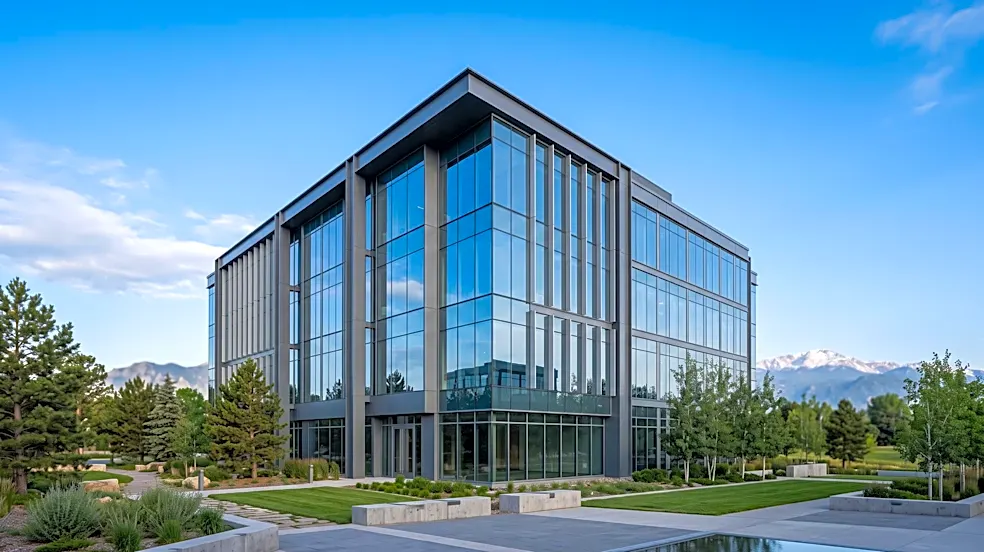
The Colorado Court of Appeals has reversed an $8.2 million judgment previously ordered against X (formerly Twitter) in a lease dispute with its Boulder, Colorado landlord, Lot 2 SBO. The lower court had found X in violation of its lease for a 64,557-square-foot
building that the tech company had renovated but never fully occupied after Elon Musk's acquisition. The appellate court disagreed with the trial court's interpretation of the lease, specifically regarding a tenant improvement credit. The appeals court ruled that the credit was intended to apply automatically to rent payments once the renovation project crossed a certain threshold and X provided written notice, regardless of whether the landlord had received confirmation that all contractors were paid. The case has been remanded to the trial court for reconsideration based on this new interpretation.
Why It's Important?
This ruling is significant for commercial real estate law and corporate lease agreements, particularly in the context of large-scale tenant improvements. It clarifies the interpretation of specific clauses related to tenant improvement credits, emphasizing that contractual language between sophisticated parties should be strictly enforced. For X, the decision offers a potential reprieve from a substantial financial judgment and validates its interpretation of the lease terms. For landlords, it underscores the importance of precise language in lease agreements to avoid ambiguity, especially concerning financial obligations and conditions for credits. The case also highlights the complexities that can arise in commercial leases following major corporate acquisitions and rebranding efforts, impacting how companies manage their real estate portfolios and financial commitments.
What's Next?
The case will now return to the Boulder County District Court for reconsideration, where the trial court will need to re-evaluate the dispute based on the Colorado Court of Appeals' interpretation of the lease. This could lead to a different outcome regarding the $8.2 million judgment, potentially reducing or eliminating X's financial liability to Lot 2 SBO. Both parties will likely prepare for further legal proceedings, with X aiming to solidify its position and Lot 2 SBO adjusting its arguments in light of the appellate ruling. The decision may also influence how similar lease disputes are litigated in Colorado and potentially serve as a precedent for interpreting tenant improvement clauses in other commercial real estate contracts.
Beyond the Headlines
This legal battle extends beyond the immediate financial implications for X and Lot 2 SBO, touching upon broader themes of contractual interpretation and the impact of corporate changes on long-term agreements. The dispute underscores the critical importance of clear, unambiguous language in complex commercial contracts, particularly when significant investments and long-term commitments are involved. It also highlights the potential for differing interpretations of contractual terms, even between sophisticated parties, leading to protracted legal battles. The case serves as a cautionary tale for businesses entering into large-scale lease agreements, emphasizing the need for thorough legal review and foresight regarding potential future corporate changes or market shifts. The involvement of a high-profile company like X also draws attention to the legal intricacies of managing real estate assets in a rapidly evolving tech landscape.