


What's Happening?
Pilates is a method of controlled movement that focuses on enhancing flexibility, building strength, and improving posture. It places significant emphasis on the deep trunk muscles, including the transverse abdominis, pelvic floor, and spinal stabilizers,
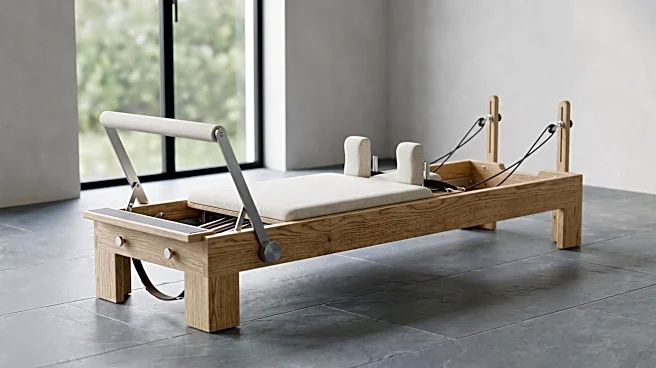
through slow, controlled repetitions. The practice, originally termed 'Contrology' by its creator Joseph Pilates, coordinates mind, body, and breath. It is adaptable to all body types and fitness levels, making it accessible to a wide range of individuals. Pilates can be performed using body weight on a mat or with specialized equipment like the reformer, which utilizes spring-loaded resistance. The method is recognized for its ability to improve core muscle endurance, flexibility, and balance, and has shown benefits for individuals experiencing chronic low back pain when practiced consistently. However, it is not a substitute for aerobic exercise or progressive strength training.
Why It's Important?
The growing popularity and adaptability of Pilates are significant for the U.S. health and wellness industry. Its low-impact nature makes it an attractive option for injury recovery and for individuals seeking to improve physical well-being without high-intensity strain. The method's focus on core strength and stability can lead to better posture and reduced chronic pain, particularly in the back, hips, and shoulders, which are common issues in a sedentary society. For athletes, Pilates helps address muscular imbalances and improves joint stability, contributing to more efficient biomechanics and potentially extending careers. The mind-body connection emphasized in Pilates also aligns with stress-reduction strategies, offering mental health benefits alongside physical improvements. This broad appeal contributes to its increasing adoption across various demographics, from seasoned athletes to those just beginning their fitness journey.
What's Next?
The continued evolution and widespread adoption of Pilates suggest a sustained presence in the U.S. fitness landscape. Studios are likely to continue offering diverse class formats, including both mat and reformer Pilates, to cater to varying preferences and fitness levels. The integration of Pilates into rehabilitation programs and its recommendation by medical professionals for conditions like chronic low back pain may further solidify its role in holistic healthcare. As awareness of its benefits grows, more individuals, including men who have historically been less represented in Pilates classes, are expected to incorporate it into their routines. The industry may also see further innovation in equipment and instructional methods, while maintaining the core principles established by Joseph Pilates. The emphasis on precise language and form will remain crucial for effective practice and injury prevention.
Beyond the Headlines
Beyond its immediate physical benefits, Pilates fosters a deeper connection between mind and body, promoting a sense of control and awareness that extends beyond the exercise session. This 'Contrology' aspect encourages practitioners to be more mindful of their movements and posture in daily life, potentially leading to long-term improvements in overall physical function and well-being. The discipline's emphasis on precision and concentration can also cultivate mental resilience and focus, which are valuable in various aspects of life. As the fitness industry increasingly moves towards personalized and holistic approaches, Pilates stands out as a method that addresses both physical and mental health. Its adaptability also raises questions about accessibility and how to ensure quality instruction across diverse settings, from boutique studios to online platforms, to maintain the integrity and effectiveness of the practice.