






What's Happening?
The new Fitbit Edge fitness tracker will not include Near-Field Communications (NFC) for contactless payments. Google, Fitbit's parent company, stated that less than 1% of Fitbit Charge 6 owners reported using NFC, leading them to focus on other highly
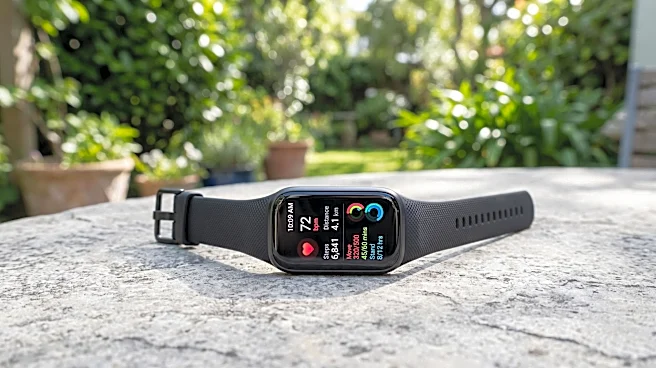
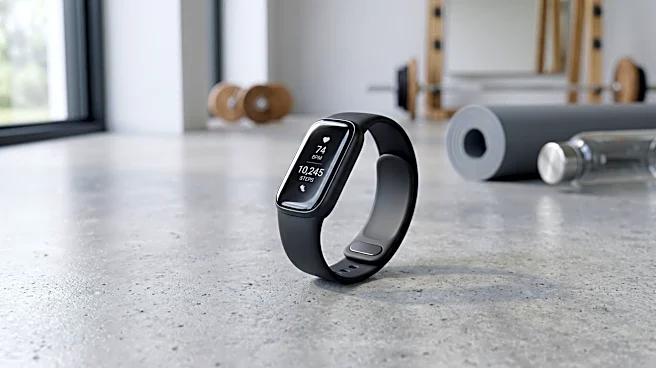
requested features for the Edge. The Fitbit Edge is a slim fitness band with a 1.34-inch AMOLED screen, serving as an upgrade to the Fitbit Charge 6. While it allows users to start/stop workouts, check stats, view notifications, and access Google apps like Google Maps, it lacks the tap-to-pay functionality. Instead, Google has integrated features such as Health Guardian in the updated Google Health app, which provides blood pressure and insulin resistance trends, automatic activity tracking, improved GPS tracking for outdoor activities, and a replaceable battery. The device also offers media controls and message notifications but does not include fall and crash detection, which are available on the Google Pixel Watch 5. Older Fitbit models like the Charge 6, Charge 5, Charge 4, and special editions of the Charge 3, along with Sense and Versa series, do support NFC. Google Wallet is currently the only tap-to-pay service available on Fitbit devices, replacing Fitbit Pay which was shut down in 2024.
Why It's Important?
This decision by Google reflects a strategic shift in feature prioritization for Fitbit's fitness trackers, moving away from contactless payment capabilities in favor of core health and wellness functionalities. The company's rationale, based on low NFC usage data from previous models, suggests an effort to streamline device offerings and allocate development resources to features perceived as more valuable by the majority of its user base. This could impact users who prefer the convenience of wrist-based payments, particularly in scenarios where carrying a phone is impractical, such as at a gym. However, it also indicates a stronger focus on enhancing health monitoring and activity tracking, which are primary motivators for purchasing fitness trackers. For consumers, this means the Fitbit Edge will be more specialized in health metrics and activity tracking, potentially at a more accessible price point due to the exclusion of less-used hardware components. The move also reinforces Google Wallet as the sole payment platform for Fitbit devices, further integrating Fitbit into Google's ecosystem.
What's Next?
Consumers looking for contactless payment options on a Fitbit device will need to consider older models that still support NFC, such as the Fitbit Charge 6 or devices from the Sense and Versa lines. For those prioritizing advanced health tracking and battery life over payment features, the Fitbit Edge will be a new option. Google will likely continue to monitor user engagement with various features across its wearable lineup to inform future product development. The emphasis on features like Health Guardian and improved GPS suggests a continued push towards comprehensive health insights and outdoor activity tracking. The absence of fall and crash detection on the Edge, a feature present in the Pixel Watch 5, also indicates a clear differentiation strategy between Fitbit's fitness trackers and Google's more feature-rich smartwatches, guiding consumers towards specific products based on their needs and budget.
Beyond the Headlines
The decision to omit NFC from the Fitbit Edge highlights a broader trend in the wearable technology market where manufacturers are increasingly refining product lines to cater to specific user segments. By analyzing user data, companies can make informed choices about which features to include or exclude, potentially leading to more focused and cost-effective devices. This could also signal a growing understanding that while smartwatches aim to be all-in-one devices, dedicated fitness trackers can thrive by excelling in their core function: health and activity monitoring. The integration of health data into the Google Health app, with features like blood pressure and insulin resistance trends, points towards a future where wearables play a more significant role in proactive health management and personalized wellness insights. This strategic choice by Google could influence other manufacturers to re-evaluate the necessity of certain 'standard' features in their own fitness-focused wearables, potentially leading to a more diverse and specialized market.