





What's Happening?
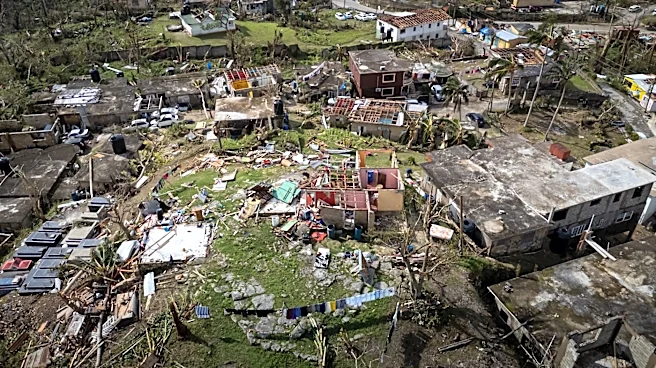
Lundin Mining has announced a reduction in its 2026 copper production guidance, attributing the change primarily to severe weather conditions in Chile. The company now anticipates producing between 300,000 to 325,000 tonnes of copper, a decrease from
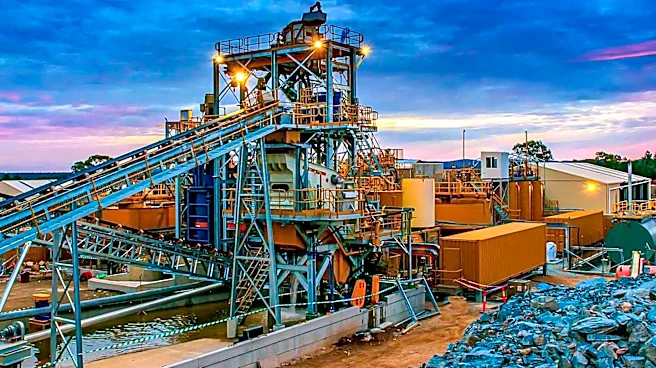
its previous forecast of 310,000 to 335,000 tonnes. This revision represents an approximate 4.5% reduction at the midpoint of the guidance. Concurrently, Lundin has increased its cash cost guidance to $1.95–$2.15 per pound, up from the earlier $1.90–$2.10. These adjustments stem from significant operational disruptions at the Caserones mine, where production guidance has been lowered to 120,000–130,000 tonnes from 130,000–140,000 tonnes, and cash costs have risen to $2.15–$2.35 per pound.
Why It's Important?
This revised forecast from Lundin Mining carries significant implications for the global copper market and U.S. industries reliant on the metal. Chile is a major copper-producing nation, and any disruption there can impact global supply and prices. The reduction in output, coupled with increased cash costs, could contribute to higher copper prices, affecting sectors such as construction, electronics, and renewable energy in the U.S. These industries depend heavily on copper for manufacturing and infrastructure development. The situation also highlights the increasing vulnerability of mining operations to climate-related events, which are becoming more frequent and severe, necessitating adaptive strategies from mining companies to mitigate such risks and ensure supply chain stability for U.S. businesses.
What's Next?
The copper market has already reacted to Lundin Mining's announcement, with prices showing an uptick and increased trading volumes on the London Metal Exchange. Analysts will closely monitor copper prices, with $4.10 per pound identified as a critical resistance level. Lundin Mining's immediate focus will likely be on restoring full operational capacity at the Caserones mine and reassessing its risk management strategies to better withstand future environmental challenges. The company may explore technological solutions to enhance resilience. If severe weather disruptions persist, further upward pressure on copper prices could be expected, potentially impacting global supply chains and prompting other major copper producers to re-evaluate their forecasts and operational strategies.
Beyond the Headlines
The situation with Lundin Mining underscores a broader systemic challenge facing the global mining sector: the escalating impact of climate change on resource extraction. Beyond immediate financial implications, this event highlights the need for a fundamental shift in how mining companies approach operational planning and risk assessment. It brings into focus the ethical and environmental responsibilities of corporations operating in climate-vulnerable regions. The increased frequency of extreme weather events could lead to greater investment in climate-resilient infrastructure and a push for more sustainable mining practices. This could also accelerate the adoption of advanced predictive technologies and diversified supply chains to mitigate future disruptions, potentially reshaping the long-term landscape of the global commodities market and influencing U.S. policy on critical mineral sourcing.