


What's Happening?
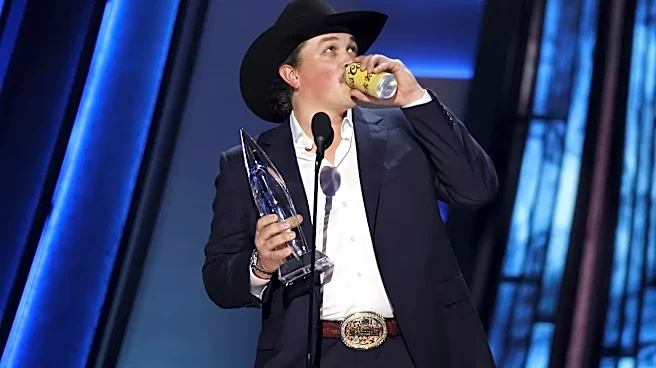
Country music is experiencing a resurgence of artists who prioritize traditional musicianship, a trend dubbed the 'Trad Boy' archetype. This movement, exemplified by artists like Zach Top, focuses on fundamental skills such as singing in tune, competent
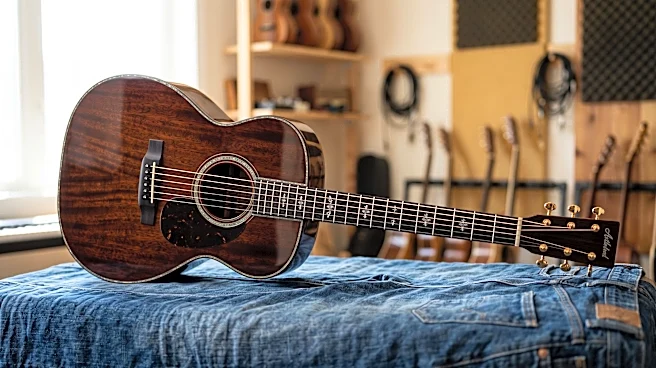
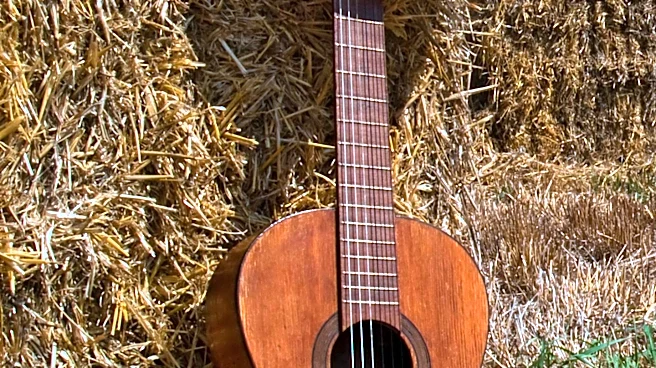
instrument playing, understanding harmony, and functioning within a band. This development follows a period where the emphasis on instrumental ability in country music had diminished, with guitars often serving more as props than functional instruments. The success of artists like Zach Bryan and Morgan Wallen initially led to imitations of their unique styles, but Top's breakthrough demonstrated a significant market for young artists creating unapologetically traditional country music. This has prompted Nashville to take notice, leading to a new wave of artists drawing from sounds that had largely fallen out of favor in the contemporary mainstream. The current trend highlights a shift back towards valuing foundational musical skills that were once commonplace in the genre.
Why It's Important?
The rise of the 'Trad Boy' archetype signifies a potential shift in the country music industry's focus, moving away from purely commercial formulas and back towards artistic fundamentals. This trend could influence how new artists are developed and promoted, potentially leading to a greater emphasis on musical proficiency rather than just image or vocal mannerisms. For listeners, it offers a return to a more traditional sound, which may appeal to those who feel the genre has strayed too far into pop or hip-hop influences. This movement could also challenge the industry to raise its standards for musicianship, as basic competence is now being celebrated as a distinguishing characteristic. The long-term impact could be a more diverse and musically rich country music landscape, where artists are recognized for their craft as much as their commercial appeal.
What's Next?
The country music industry will likely continue to observe the commercial success of 'Trad Boy' artists to determine the longevity and broader impact of this trend. Record labels and producers may begin to scout and develop artists who align with this traditional approach, potentially leading to more releases that emphasize instrumental skill and classic country sounds. Music festivals and venues might also feature more of these artists, catering to a growing audience segment that appreciates this style. Additionally, established artists might incorporate more traditional elements into their music, or collaborate with these emerging talents, further solidifying the movement. The evolution of this archetype will depend on its sustained commercial viability and its ability to attract a broad audience while maintaining its core artistic principles.
Beyond the Headlines
This shift in country music reflects a broader cultural yearning for authenticity and foundational skills in an era often dominated by digital production and manufactured images. The celebration of 'Trad Boy' artists suggests a critique of the industry's past tendencies to prioritize marketability over musical substance. It raises questions about the definition of 'authenticity' in modern music and whether a return to traditional methods can coexist with contemporary trends. Ethically, it challenges the industry to consider its responsibility in fostering genuine talent versus simply replicating successful formulas. Legally, it might influence intellectual property discussions around musical styles and influences. Culturally, it could signal a cyclical return to valuing craftsmanship, not just in music, but in other artistic and professional fields, indicating a desire for substance over superficiality.