









What's Happening?
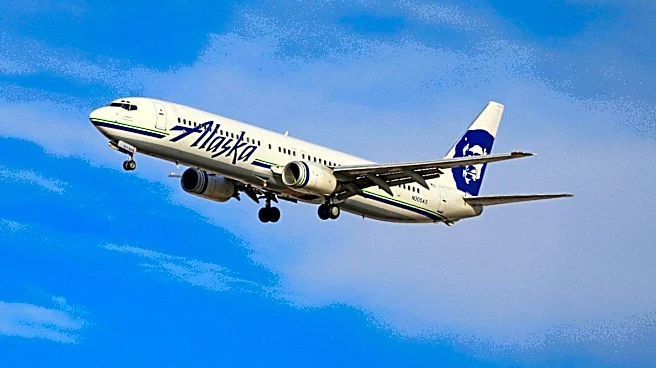
American Airlines and Alaska Airlines have announced their intention for Alaska Airlines to join American's Atlantic and Pacific Joint Businesses. This move aims to broaden international travel opportunities for customers and enhance access to global
travel experiences. The carriers plan to seek approval and antitrust immunity from the U.S. Department of Transportation, along with other necessary international regulatory approvals, in the coming months. This announcement builds upon the existing relationship between Alaska Airlines, American Airlines, and their oneworld partners across both the Atlantic and Pacific regions. Andrew Harrison, Alaska's Executive Vice President and Chief Commercial Officer, stated that joining these joint businesses is a crucial step in Alaska Accelerate's strategy to build a stronger, more global airline, providing guests with more seamless access to international destinations while maintaining the expected care, loyalty benefits, and premium experience. Nat Pieper, American's Chief Commercial Officer, emphasized that this expansion, in collaboration with their joint business partners, will enhance a global network, offering customers greater access, convenience, and choice.
Why It's Important?
This strategic alliance is significant for the U.S. airline industry and its consumers. By integrating Alaska Airlines into American's Atlantic and Pacific Joint Businesses, the partnership is set to expand the reach and connectivity of both airlines, particularly for international routes. This means U.S. travelers, especially those on the West Coast, could gain more direct and convenient access to a wider array of international destinations in Europe and Asia. For Alaska Airlines, this move positions it on a more competitive footing with larger carriers by offering a more comprehensive global network, which could attract more customers seeking international travel options. For American Airlines, the inclusion of Alaska Airlines strengthens its existing joint ventures, potentially increasing market share and operational efficiencies. The enhanced network could also lead to more competitive pricing and improved service offerings due to increased collaboration and shared resources, ultimately benefiting consumers through greater choice and potentially more seamless travel experiences.
What's Next?
The immediate next step for American Airlines and Alaska Airlines is to formally file for approval and antitrust immunity with the U.S. Department of Transportation. Concurrently, they will be seeking other relevant approvals from international regulators. This regulatory process will determine the timeline for the full integration of Alaska Airlines into the joint businesses. Once approved, customers can anticipate a gradual rollout of expanded international travel options and potentially more integrated loyalty benefits. The airlines will likely focus on harmonizing their systems and services to ensure a seamless experience for travelers. This could involve coordinated flight schedules, shared codeshares, and integrated booking platforms. The success of this integration will also depend on how effectively the airlines manage the operational complexities and customer expectations during the transition period. Stakeholders, including other airlines and consumer advocacy groups, will likely monitor the regulatory review process and the subsequent impact on market competition and consumer choice.
Beyond the Headlines
This expansion of joint businesses between American Airlines and Alaska Airlines represents a broader trend in the airline industry towards strategic alliances and consolidation to enhance global reach and competitiveness. Such partnerships allow airlines to offer a more extensive network without the significant capital investment required for individual expansion, particularly in international markets. The move also highlights the increasing importance of antitrust immunity in facilitating these deeper collaborations, as it allows airlines to coordinate on pricing, scheduling, and marketing in ways that would otherwise be prohibited by competition laws. From a consumer perspective, while these alliances can offer greater convenience and more travel options, they also raise questions about potential impacts on competition and pricing in the long term. The integration could lead to a more concentrated market, which might reduce competitive pressure on fares. Furthermore, the emphasis on 'seamless access' and 'premium experience' suggests a focus on retaining and attracting high-value customers, potentially influencing the overall service landscape for different traveler segments.