

What's Happening?
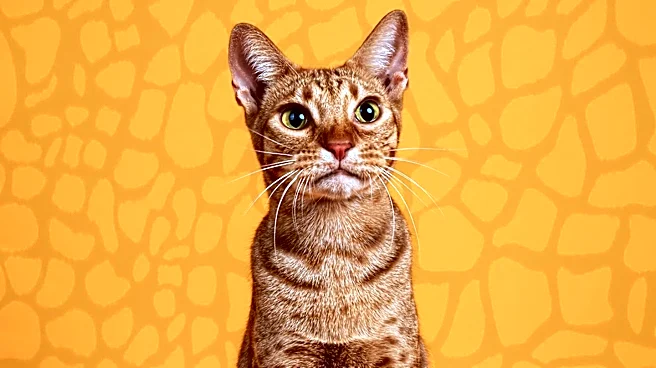
The Ocicat breed, while generally robust, faces potential lifetime veterinary costs estimated at $13,000. This figure accounts for routine care, potential breed-specific conditions, and age-related health issues. Pet insurance premiums for Ocicats are also
on the rise, with monthly costs for kittens ranging from $30-$60, increasing by 15-20% annually, and potentially reaching $100-$200 per month for older cats (8-10 years old). The breed's main genetic risks stem from its Abyssinian ancestry, including pyruvate kinase (PK) deficiency and progressive retinal atrophy (PRA-rdAc), though DNA tests are available for screening. Hypertrophic cardiomyopathy and chronic kidney disease are also risks, consistent with general feline populations. Pre-existing conditions are a significant factor in insurance coverage, as any documented symptom prior to enrollment or during the waiting period can lead to permanent exclusion from coverage for related issues.
Why It's Important?
The rising costs associated with Ocicat health care highlight a broader trend in pet ownership expenses, impacting pet owners' financial planning and access to veterinary services. The substantial lifetime cost estimate of $13,000 underscores the financial commitment involved in responsible pet ownership. The increasing pet insurance premiums, coupled with strict pre-existing condition clauses, can create challenges for owners seeking comprehensive coverage, potentially leading to difficult decisions regarding treatment options. This situation also emphasizes the importance of early enrollment in pet insurance while an animal is healthy to avoid exclusions. For the pet insurance industry, the rising costs and breed-specific risks necessitate careful actuarial assessments and transparent policy offerings to meet consumer needs while maintaining financial viability.
What's Next?
Pet owners of Ocicats and similar breeds will likely need to increasingly consider pet insurance or dedicated savings plans to manage potential veterinary expenses. The decision between pet insurance and self-insurance will become more critical, with the source suggesting a workbook to help owners make this choice. Insurers may continue to refine their policies, potentially offering rate locks or more tailored plans to address the rising costs and breed-specific health concerns. Breeders are expected to continue utilizing DNA tests for conditions like PK deficiency and PRA-rdAc to promote healthier bloodlines. The veterinary community may also see an increased demand for early diagnostic screenings and preventive care to mitigate the impact of chronic conditions.
Beyond the Headlines
The escalating costs of pet healthcare, as exemplified by the Ocicat, reflect a societal shift in how pets are viewed—increasingly as family members rather than mere animals. This shift drives demand for advanced veterinary treatments, which in turn contributes to higher costs. The ethical implications of pet insurance exclusions, particularly for pre-existing conditions, raise questions about equitable access to care and the potential for financial hardship for owners. Furthermore, the emphasis on genetic screening in breeds like the Ocicat highlights the ongoing efforts within the veterinary and breeding communities to improve animal welfare through scientific advancements. This trend could lead to greater transparency in breed health information and potentially influence future breeding practices across various animal types.