





What's Happening?
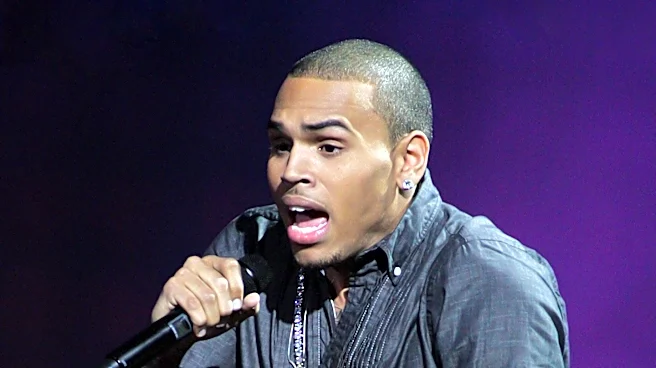
A California judge has indicated a readiness to reduce the $12.9 million in damages awarded by a jury to Maria Avila, a housekeeper who was mauled by a dog at Chris Brown's home. Judge Huey P. Cotton heard arguments from Avila's lawyers but maintained
his tentative order to decrease the amount by nearly 40 percent, as reported by Billboard. The judge presented the options of either retrying the case or agreeing to the reduced amount. The two-week trial, which concluded last June in a Los Angeles County courtroom, involved testimony from both Brown and Avila. Avila recounted the December 12, 2020, incident at Brown's Tarzana residence, detailing severe injuries to her arm and face, extensive scarring, and post-traumatic stress disorder. Brown had previously admitted negligence under California's dog-bite statute but disputed the extent of Avila's injuries and claimed she was partly at fault for going outside alone. Following the verdict, Brown's legal team filed a motion for a new trial, arguing the award was excessive and influenced by improper evidence regarding his 2008 assault of Rihanna.
Why It's Important?
This development is significant as it highlights the complexities and challenges in civil litigation, particularly concerning celebrity defendants and substantial damage awards. The potential reduction of the jury's award by almost 40 percent could set a precedent or influence future cases involving personal injury claims, especially those where the initial verdict is deemed excessive by the court. For victims like Maria Avila, the reduction could impact their ability to cover long-term medical expenses, therapy, and compensate for lost income and emotional distress. For individuals and entities facing similar lawsuits, it underscores the importance of robust legal defense and the potential for post-trial motions to alter initial judgments. The case also brings into focus the legal standards for determining negligence and damages in dog bite incidents, and how a defendant's past conduct, even if unrelated to the current incident, can be perceived to influence jury decisions. The judge's stance suggests a judicial effort to ensure that damage awards are proportionate and based strictly on the evidence presented for the specific case.
What's Next?
Judge Huey P. Cotton has presented the parties with a choice: either accept the proposed reduction in the damages award or proceed with a new trial. Maria Avila's lawyers will need to decide whether to agree to the reduced amount or pursue a new trial, which would entail additional legal costs and time. Chris Brown's legal team has already sought to overturn the initial verdict, and this potential reduction aligns with their efforts to mitigate the financial impact. Meanwhile, Avila's lawyers have been actively attempting to collect the judgment from Brown, a process that will be directly affected by the final decision on the award amount. The outcome of this decision will determine the final financial liability for Chris Brown and the compensation Avila will receive for her injuries. The case could continue to draw attention to the legal ramifications of pet ownership and the responsibilities of property owners in preventing harm.
Beyond the Headlines
This case extends beyond the immediate financial implications, touching upon broader societal perceptions of justice and accountability, particularly when celebrities are involved. The argument by Brown's lawyers that the verdict was influenced by his past assault on Rihanna raises questions about how a defendant's public image and history can affect jury decisions in unrelated civil cases. This highlights the challenge of ensuring impartial justice when a defendant has a well-known public record, especially one involving controversial incidents. Furthermore, the case underscores the emotional and physical toll on victims of animal attacks, with Avila's testimony detailing severe injuries and PTSD. The legal battle over the damages amount reflects the ongoing tension between compensating victims adequately and preventing what courts might view as excessive awards. It also implicitly raises questions about the responsibilities of pet owners, particularly those with animals capable of causing significant harm, and the legal protections available to individuals working on private property.