
What's Happening?
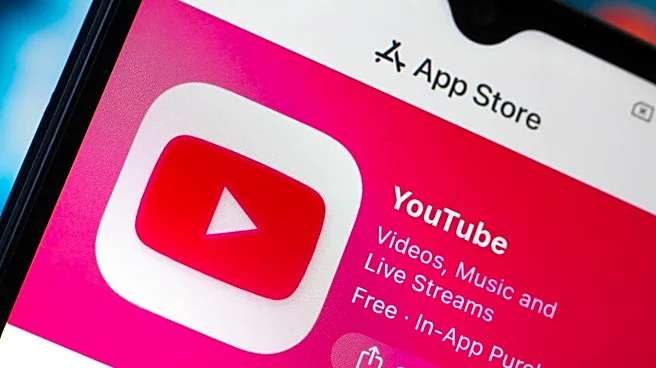
YouTube is actively engaging in discussions to offer substantial financial incentives, potentially millions of dollars, to select content creators. The objective is to secure exclusive video content for
its platform for a specified duration. This strategic move is a direct response to Netflix's increasing efforts to license creator videos and expand its catalog with content from prominent creators. YouTube has historically relied on an ad-revenue-split model for creators but is now directly offering payments to retain talent. The company has also reportedly suggested that creators who do not accept exclusivity deals might face reduced perks, such as marketing support and access to brand deals. These negotiations signify YouTube's intent to defend its position as a primary platform for top creators and to counter the growing influence of other streaming services, particularly Netflix, which has been licensing videos from popular creators and venturing into video podcasts, sometimes requiring content removal from YouTube.
Why It's Important?
This development is crucial for the U.S. digital content and entertainment industries as it signals an escalating competition for creator talent and exclusive content. YouTube's shift from its traditional ad-revenue-split model to direct, multi-million dollar payments could redefine how creators monetize their work and choose platforms. This competitive landscape benefits top creators, who gain leverage in negotiating more lucrative deals and better support. For platforms like YouTube and Netflix, securing exclusive content is vital for audience retention and growth, directly impacting their advertising revenues and subscription numbers. The move also highlights the increasing value of individual creators in shaping popular culture and influencing viewership, pushing major platforms to invest heavily in retaining their stars. This could lead to a 'bidding war' for talent, driving up content acquisition costs across the industry.
What's Next?
The ongoing negotiations are expected to intensify, potentially leading to a bidding war for top creator talent across various platforms. YouTube's strategy could prompt other streaming services and social media platforms to re-evaluate their creator compensation models and exclusivity agreements. Creators will likely assess the long-term benefits of exclusivity versus broader platform presence, considering financial incentives, marketing support, and audience reach. The outcome of these deals will influence content availability across platforms, potentially leading to more fragmented viewing experiences for consumers. Furthermore, the success of YouTube's exclusive content strategy could set a new precedent for creator-platform relationships, emphasizing direct financial incentives over traditional revenue-sharing models.
Beyond the Headlines
This shift reflects a deeper evolution in the 'creator economy,' where individual content producers are gaining significant power and influence, challenging traditional media structures. The competition for exclusive content raises questions about content ownership, intellectual property rights, and the potential for market consolidation in the digital entertainment space. It also highlights the increasing importance of platform loyalty and the strategies companies employ to cultivate and maintain it. The ethical implications of potentially penalizing creators who do not accept exclusivity deals, by reducing perks like marketing support, could also become a point of discussion. This trend could lead to a more professionalized creator landscape, where top-tier creators operate more like independent studios, negotiating directly with major platforms for distribution and funding.