






What's Happening?
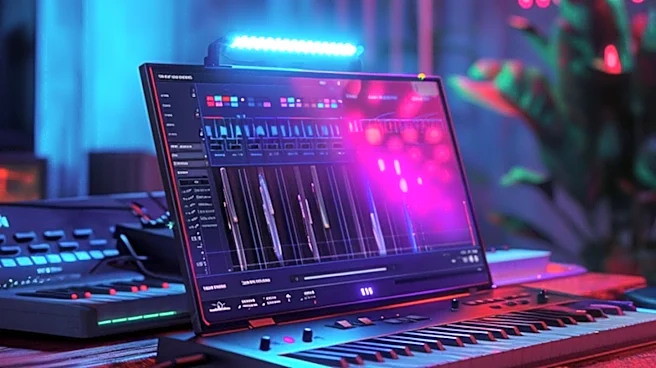
Stem separation software, which extracts individual components like vocals, drums, and bass from a mixed song, has seen significant advancements. Tools like Meta's open-source Demucs and features integrated into DAWs such as Ableton Live 12.3 and Apple's
Logic Pro now allow musicians to isolate up to six stems, including guitar and piano. These technologies enable remixers to manipulate individual tracks from a finished song, offering new creative possibilities. While the technology is widely available and improving in quality, the process often results in minor audio artifacts, requiring further cleanup by the user. The legal implications of using stem separation for remixes are significant, as US copyright law (17 U.S.C. 106) grants copyright owners exclusive rights to authorize derivative works, which includes remixes.
Why It's Important?
The widespread availability and increasing sophistication of stem separation technology democratize music production and remixing, allowing more individuals to engage in creative audio manipulation. This can foster innovation and new musical genres. However, it also intensifies intellectual property challenges within the music industry. The ease with which copyrighted material can be deconstructed and reassembled into new works raises complex questions about ownership, licensing, and fair use. Content ID systems are becoming more adept at identifying original components within remixes, leading to potential copyright claims against creators who do not secure proper permissions. This situation creates a legal minefield for aspiring and professional remixers, potentially stifling creativity due to fear of legal repercussions or encouraging unauthorized use, which could undermine the economic rights of original artists and rights holders.
What's Next?
As stem separation technology continues to evolve, its integration into digital audio workstations will likely become more seamless and powerful, further lowering the barrier to entry for remixing. This will necessitate clearer guidelines and potentially new legal frameworks or licensing models to address the creation and distribution of derivative works. The music industry may see an increase in official stem releases from artists and labels, encouraging authorized remixes and fostering a more collaborative environment. Conversely, the legal battles over unauthorized remixes are likely to intensify, pushing for more robust copyright enforcement mechanisms or, alternatively, advocating for broader interpretations of fair use. Educational initiatives for musicians on copyright law and best practices for obtaining licenses will become increasingly crucial.
Beyond the Headlines
The advancement of stem separation technology touches upon deeper philosophical questions about the nature of musical originality and the boundaries of artistic transformation. If any song can be deconstructed into its constituent parts, what constitutes a 'new' creation versus a mere manipulation of existing work? This technology also highlights the ongoing tension between technological progress and established legal frameworks, particularly in the digital age where content can be easily altered and disseminated. Ethically, it raises questions about respecting the original artist's intent and labor, even when the technology allows for easy modification. The future of music creation may involve a hybrid approach where AI-powered tools assist in deconstruction and reconstruction, challenging traditional notions of musical craftsmanship and potentially leading to new forms of collaborative artistry between humans and machines.