



What's Happening?
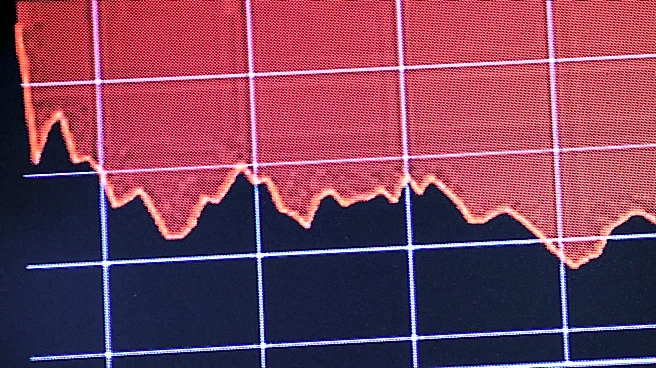
U.S. market indices are experiencing their most significant downturn since April 2025, with the Dow Jones Industrial Average falling below the 50,000 mark. This recent market performance has led to speculation regarding the longevity of the AI-fueled
bull market. Despite the current weekly decline, the S&P 500 index maintains a positive trajectory for the year. The previous substantial market dip in April 2025 coincided with the announcement of the Liberation Day tariffs, indicating a historical precedent for significant economic shifts impacting market stability.
Why It's Important?
This market correction is important as it challenges investor confidence in the sustained growth driven by artificial intelligence. A significant drop in major indices, particularly the Dow, can trigger broader economic concerns and potentially influence consumer spending and corporate investment decisions. While the S&P 500's year-to-date positive performance offers some reassurance, the current volatility highlights the market's sensitivity to various factors, including technological trends and policy announcements. Businesses and individual investors may re-evaluate their strategies in response to these fluctuations, potentially leading to a more cautious investment climate. The situation underscores the ongoing debate about market bubbles and the sustainability of rapid growth sectors.
What's Next?
Market participants will closely monitor upcoming economic data and corporate earnings reports to gauge the extent and duration of the current downturn. Analysts will be looking for signs of stabilization or further decline, which could dictate short-term investment strategies. The Federal Reserve's stance on interest rates and any new policy announcements from the White House could also significantly influence market sentiment. Investors may consider rebalancing portfolios, focusing on sectors less susceptible to volatility, or seeking opportunities in undervalued assets. The performance of technology stocks, particularly those heavily invested in AI, will be a key indicator of whether the AI-fueled bull market is truly over or merely undergoing a correction.
Beyond the Headlines
The current market behavior could signal a broader re-evaluation of the intrinsic value of companies within the AI sector, moving beyond speculative growth to more fundamental metrics. This shift might lead to a healthier, more sustainable market environment in the long run, as investors become more discerning. However, it also carries the risk of a 'herd mentality' leading to irrational selling, potentially creating a self-fulfilling prophecy of market decline. The episode also highlights the interconnectedness of global economies, as tariffs and other international policy decisions can have ripple effects on domestic markets. Understanding the underlying causes of such market movements is crucial for policymakers to implement effective measures that foster economic stability and growth.