









What's Happening?
FMI – The Food Industry Association has announced the appointment of 17 new leaders to its board of directors. These additions aim to strengthen the association's representation across the food retail sector, encompassing regional and national grocery
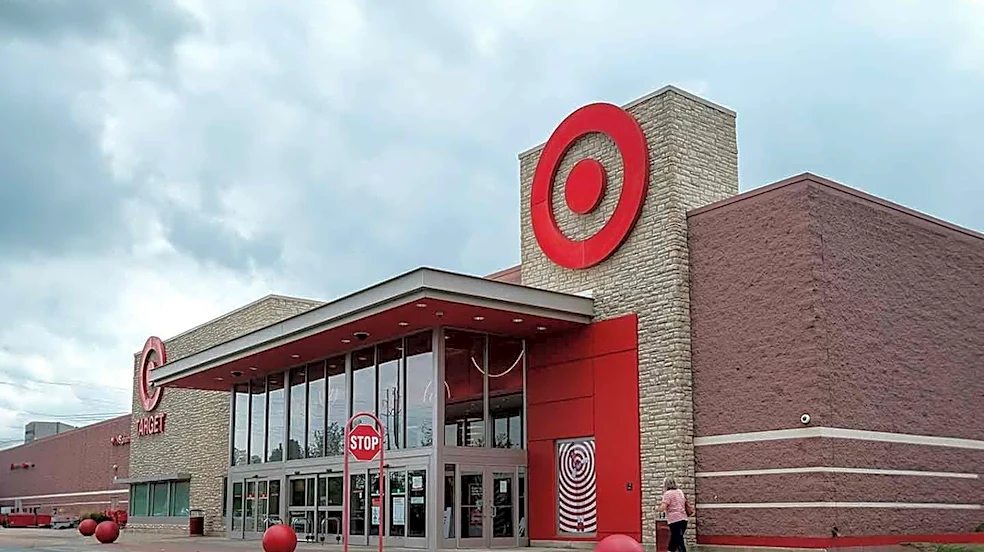
operators as well as national brands. Among the new executive committee members is John Conlin, Senior Vice President of Food & Beverage Merchandising at Target Corporation. Other notable appointments to the executive committee include Todd Schnuck, Chairman and CEO of 1939 Group Inc.; Marty Thompson, CEO and U.S. Market Head of Nestlé USA; and Lucho Lopez-May, Chief Sales Officer, U.S., at Mondelez International. The expanded board also includes new retailer and wholesaler directors from companies such as Heritage Grocers Group, Brookshire Grocery Company, The Kroger Co., Ahold Delhaize USA, and Family Dollar. Additionally, new product supplier directors from Kodiak, Gallo, Perdue Farms, Flowers Foods, Del Monte Corporation, The J.M. Smucker Company, The Campbell’s Company, and Chomps have been appointed. Leslie G. Sarasin, President and CEO of FMI, stated that the growth in membership reflects the value companies place on having a trusted forum to address shared challenges and opportunities within the industry.
Why It's Important?
The expansion of FMI's board of directors with diverse leadership from across the food industry signifies a strategic move to enhance collaboration and address evolving market dynamics. The inclusion of executives like John Conlin from Target Corporation, a major U.S. retailer, brings significant merchandising and operational expertise to the association. This broad representation ensures that FMI can better understand and respond to the complex needs of the consumer food supply chain, from production to retail. For U.S. consumers, this could translate into a more efficient, safer, and healthier food supply chain, as the board's collective experience aims to foster innovation and problem-solving. For businesses within the food sector, the strengthened board provides a more robust platform for industry-wide dialogue, potentially influencing best practices, regulatory discussions, and strategic initiatives that benefit all stakeholders. The diverse perspectives are crucial for navigating challenges such as supply chain disruptions, changing consumer preferences, and technological advancements in food retail.
What's Next?
The newly appointed board members are expected to contribute their varied operating perspectives to deepen FMI's understanding of the marketplace and strengthen its collective work. This will likely involve active participation in FMI's initiatives aimed at advancing a safer, healthier, and more efficient consumer food supply chain. The board will focus on fostering deeper collaboration among its members, anticipating industry changes, and delivering meaningful value for both members and consumers. Future activities may include developing new industry standards, advocating for specific policies, and sharing insights on emerging trends in food retail and supply chain management. The diverse expertise in merchandising, customer development, sales, operations, and business strategy brought by the new directors will be leveraged to address current and future challenges facing the food industry in the U.S. The association will continue its mission of feeding families and nourishing communities through industry-wide dialogue and problem-solving.
Beyond the Headlines
The expanded FMI board reflects a broader trend in industry associations to bring together a wider array of voices to tackle complex, interconnected challenges. The inclusion of leaders from both large national retailers like Target and smaller, specialized product suppliers highlights a recognition that a holistic approach is necessary for the modern food ecosystem. This move could foster greater integration and understanding between different segments of the food supply chain, potentially leading to more resilient and adaptable systems. Ethically, a more representative board can better address issues of food access, sustainability, and consumer welfare across diverse demographics. Legally, a unified industry voice can more effectively engage with policymakers on regulations affecting food safety, labeling, and trade. Culturally, the collaboration among these leaders could influence consumer trends and expectations regarding food quality, sourcing, and convenience, shaping the future of how Americans shop for and consume food.