




What's Happening?
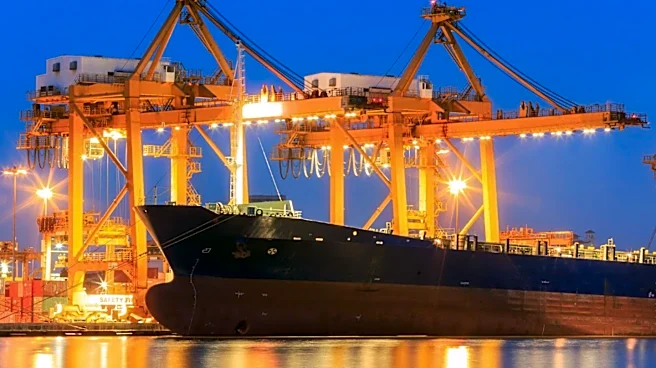
Ongoing conflict in the Black Sea region has severely impacted Russia's sunflower oil exports to India, resulting in the cancellation of a 20,000-ton shipment and delays for approximately 60,000 tons of additional cargo. According to Sandeep Bajoria,
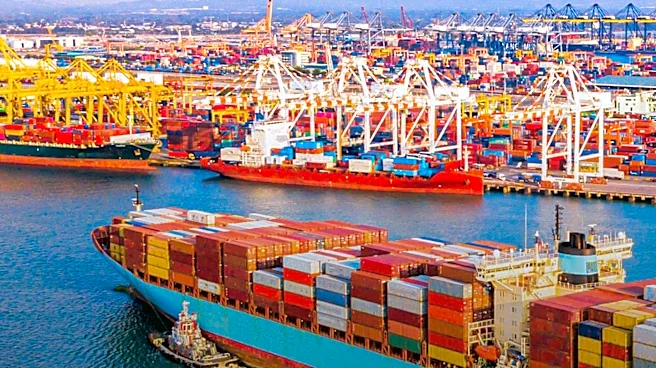
president of the International Sunflower Oil Association, the cancellation, a rare occurrence in the trade sector, was due to extensive damage to port infrastructure. This disruption is critical for India, which relies almost entirely on imports to meet its monthly demand of 250,000 tons of sunflower oil. Dealers in New Delhi anticipate that October arrivals could drop to 160,000 tons. Russian exporters are now attempting to reroute shipments through Baltic Sea ports like St. Petersburg and Ust-Luga, but this alternative increases freight costs and extends delivery times by about ten days. The supply crunch coincides with India's peak festival season, forcing Indian refiners to seek alternative oils as local stocks are depleted.
Why It's Important?
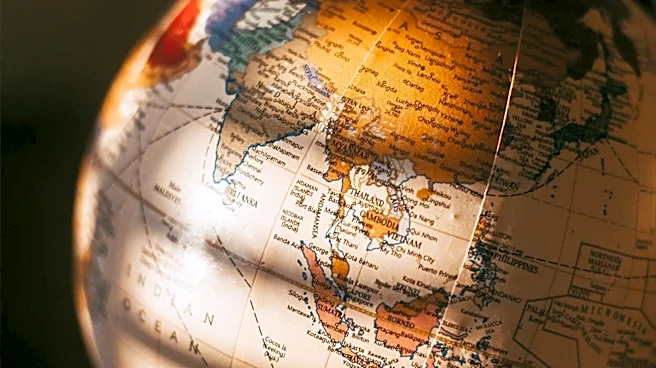
The disruption in sunflower oil supplies to India has significant implications for global edible oil markets and India's economy. India's substantial monthly demand for sunflower oil, coupled with the current supply shortages, is driving a rapid shift towards alternative oils, particularly palm oil. In just three days, Indian buyers purchased 150,000 tons of crude palm oil for November and December delivery. This increased demand is expected to reduce stockpiles in major palm oil-producing nations like Indonesia and Malaysia, potentially leading to upward pressure on benchmark Malaysian palm oil futures. For India, this situation could contribute to inflationary pressures, as persistently high crude oil prices already pose a challenge for its import-dependent economy. The shift in sourcing and increased costs for edible oils could impact consumer spending and corporate costs within India, highlighting the vulnerability of global supply chains to geopolitical conflicts.
What's Next?
The immediate future will likely see continued efforts by Indian buyers to secure alternative edible oils, primarily palm oil, to meet domestic demand, especially during the upcoming festival season. This sustained demand for palm oil is expected to keep its prices elevated and further deplete global stockpiles. Russian exporters will continue to utilize alternative routes through Baltic Sea ports, incurring higher logistical costs and longer transit times, which may be passed on to buyers. The stability of Black Sea logistics and the ability of Russian and Ukrainian exporters to adapt to these challenges will determine the long-term impact on sunflower oil availability. Further developments will depend on the resolution of port infrastructure issues and the broader geopolitical situation affecting Black Sea trade routes. The Indian government and businesses will need to monitor global oil prices and supply chain stability closely to mitigate potential economic impacts.
Beyond the Headlines
This situation underscores the intricate interconnectedness of global commodity markets and the profound impact of geopolitical events on everyday consumer goods. The reliance of a large nation like India on imported edible oils makes it particularly susceptible to supply chain disruptions. The forced pivot to palm oil, while a short-term solution, highlights broader concerns about food security and diversification of supply sources. Ethically, the conflict's impact on essential food items raises questions about humanitarian considerations in international relations. Environmentally, increased demand for palm oil could exacerbate concerns about deforestation and sustainable sourcing, depending on how producers respond to the surge in orders. This event also serves as a stark reminder of the fragility of global trade routes and the need for nations to build resilient supply chains to withstand unforeseen crises.