



What's Happening?
The Faroe Islands has expanded its self-navigating car adventure program, adding 15 new itineraries to the original 30 launched last summer. This initiative encourages travelers to embrace spontaneity by providing GPS-guided routes to four to six curated
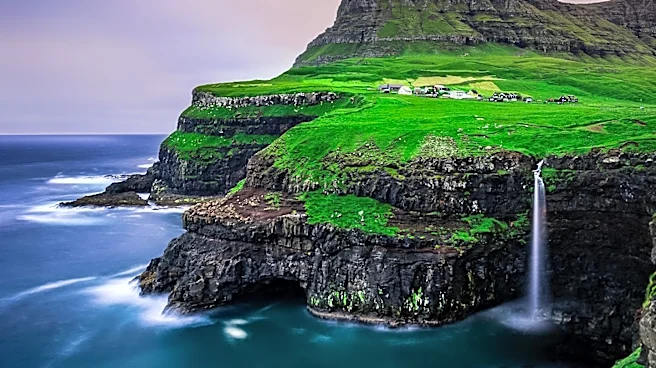
landmarks over three to six hours. Each stop is selected by locals, and the destination remains unknown to the traveler until arrival. A key feature of the program is that no two tourists will receive the exact same itinerary simultaneously, even if there are overlapping stops, ensuring a unique experience for each participant. Marta Káradóttir, content and communications manager at Visit Faroe Islands and project manager for the initiative, stated that these routes are shaped by local perspectives, aiming to offer a more authentic and unexpected travel experience. The expansion also includes additional potential pit stops for existing routes, diversifying the cultural and natural attractions available, such as historic churches, fjords, and remote villages.
Why It's Important?
This expansion of self-navigating car itineraries in the Faroe Islands represents an innovative approach to tourism that prioritizes unique and authentic experiences over conventional, pre-planned travel. By encouraging spontaneity and local curation, the program aims to combat the common issue of destinations feeling overly familiar due to extensive online content consumption. This strategy could serve as a model for other tourist destinations looking to enhance visitor engagement and satisfaction by offering more personalized and less predictable adventures. For the Faroe Islands, it could boost tourism by attracting travelers seeking novel and immersive experiences, potentially leading to increased revenue for local businesses and communities involved in the curated stops. The emphasis on local input also helps distribute tourist traffic more evenly, preventing over-tourism in popular spots and showcasing a broader range of the islands' cultural and natural heritage. This approach could also foster a deeper appreciation for the destination among visitors, encouraging repeat visits and positive word-of-mouth recommendations.
What's Next?
The Faroe Islands will continue to monitor the success and impact of these expanded self-navigating itineraries. Future developments could include further additions to the number of routes and curated stops, potentially incorporating more diverse themes or longer durations based on traveler feedback. Other destinations might observe the outcomes of this program to assess its viability for their own tourism strategies, potentially leading to similar initiatives globally. The focus on unique, locally-curated experiences could also influence how travel agencies and tour operators design future packages, shifting towards more flexible and discovery-oriented options. Additionally, the program's success could prompt further investment in infrastructure and services to support the growing number of independent travelers exploring the islands, such as enhanced road signage, digital navigation tools, and local guide training. The Faroe Islands will likely continue to promote these unique travel opportunities through international marketing campaigns to attract a broader audience of adventurous tourists.
Beyond the Headlines
The Faroe Islands' self-navigating car itineraries tap into a broader cultural shift in travel preferences, moving away from highly structured, mass-market tourism towards more individualized and authentic exploration. This initiative challenges the modern traveler's tendency to meticulously plan every detail, often leading to a sense of déjà vu upon arrival. By deliberately withholding information about upcoming stops, the program reintroduces an element of surprise and discovery, fostering a deeper connection with the destination. This approach also highlights the value of local knowledge and community involvement in shaping tourist experiences, potentially empowering local residents and preserving the unique character of the islands. Ethically, it promotes a more sustainable form of tourism by encouraging visitors to engage with a wider array of locations, rather than concentrating impact on a few well-known sites. This model could inspire a re-evaluation of how travel is consumed and marketed, emphasizing the journey and unexpected encounters over a checklist of famous landmarks, ultimately enriching the travel experience for both visitors and hosts.