





What's Happening?
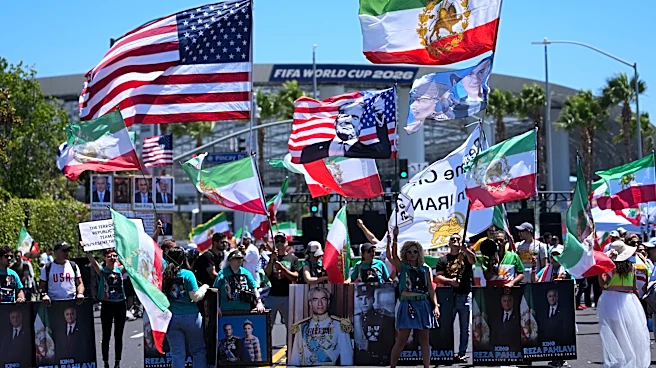
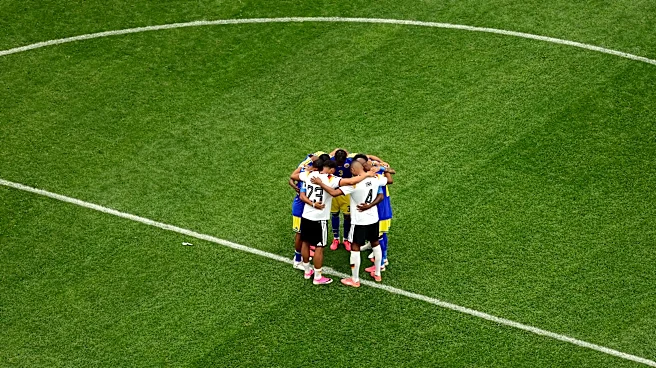
The World Cup in Los Angeles has become a symbol of unity, defying initial concerns about immigration enforcement and political tensions. Fans from diverse cultural backgrounds have gathered in the city, creating a festive atmosphere that transcends political divides.
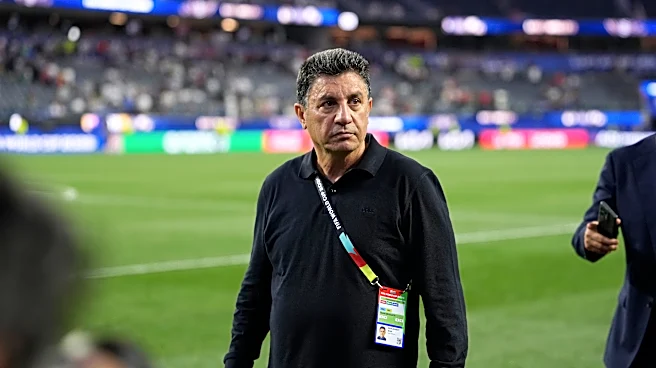
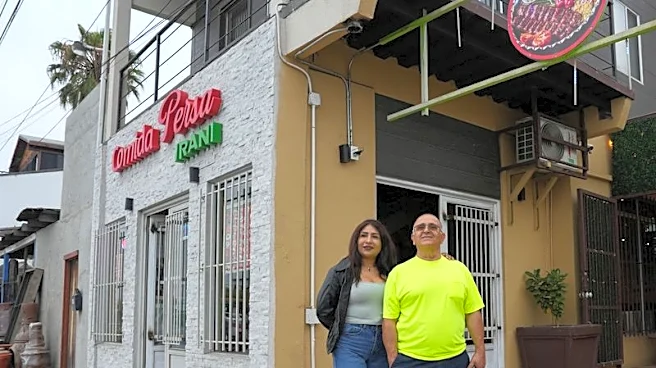
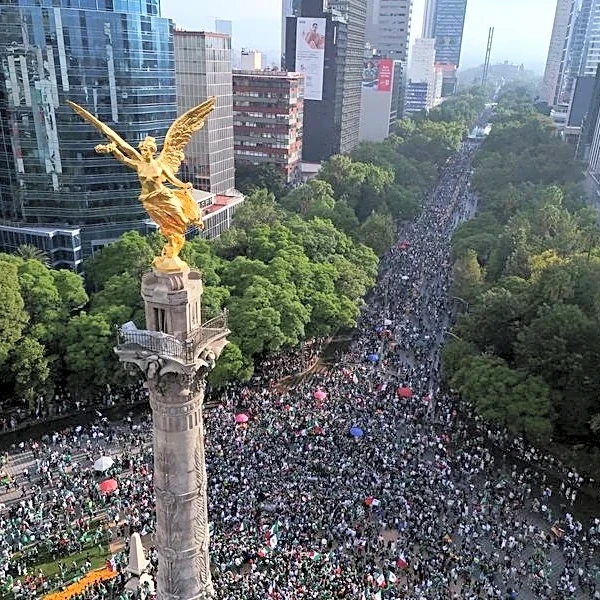
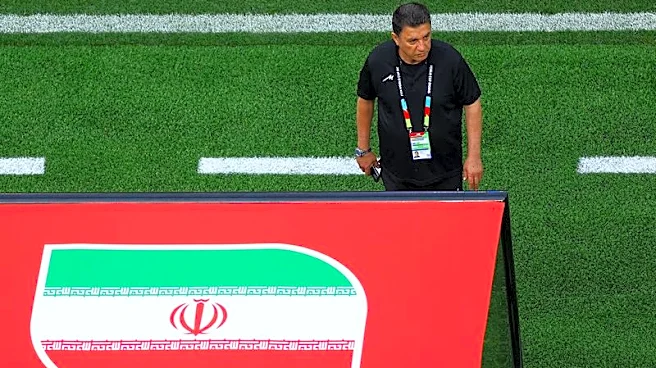
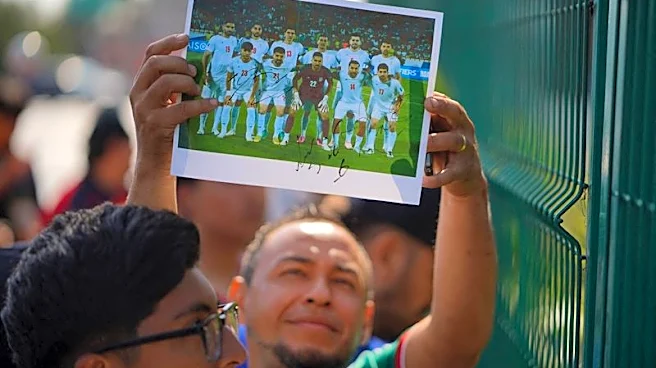
The event has seen people from various countries, including Iran, New Zealand, and Mexico, come together to celebrate the global sport. Despite travel restrictions imposed by the Trump administration, which have affected some teams and fans, the spirit of the World Cup remains strong. The Iranian team, for instance, has been commuting from Tijuana due to these restrictions. The event has also sparked local enthusiasm, with residents engaging in watch parties and cultural exchanges.
Why It's Important?
The World Cup in Los Angeles highlights the power of sports to unite people across cultural and political boundaries. It provides a platform for cultural exchange and mutual understanding, even amidst geopolitical tensions. The event also underscores the challenges posed by immigration policies, as seen with the Iranian team's travel arrangements. For the local community, the World Cup offers a reprieve from political anxieties and an opportunity to engage with a global audience. This unity through sports can foster goodwill and potentially influence public perceptions of immigration and international relations.
What's Next?
As the World Cup continues, it is likely to further influence public discourse on immigration and international cooperation. The event may prompt discussions among policymakers about the impact of travel restrictions on international events and cultural exchanges. Additionally, the positive reception of the World Cup in Los Angeles could encourage other cities to host similar events, promoting inclusivity and cultural diversity. Stakeholders, including local businesses and community leaders, may also explore ways to leverage the event's success to boost tourism and local engagement.
Beyond the Headlines
The World Cup in Los Angeles serves as a microcosm of broader societal issues, such as immigration and cultural integration. It highlights the potential for sports to bridge divides and foster a sense of global community. The event also raises questions about the role of politics in international sports and the responsibilities of host cities to ensure inclusivity. As fans from around the world gather, the World Cup becomes a platform for dialogue and understanding, challenging stereotypes and promoting a more interconnected world.