
What's Happening?
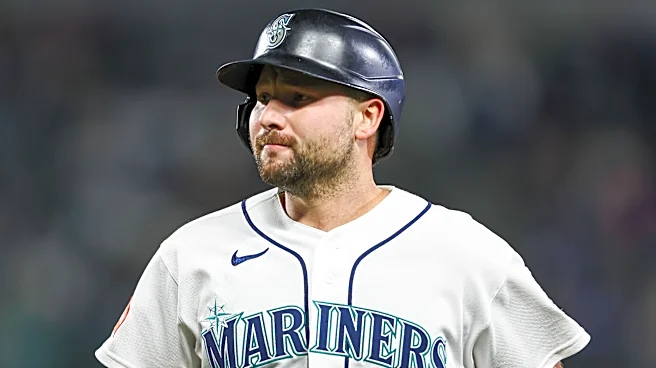
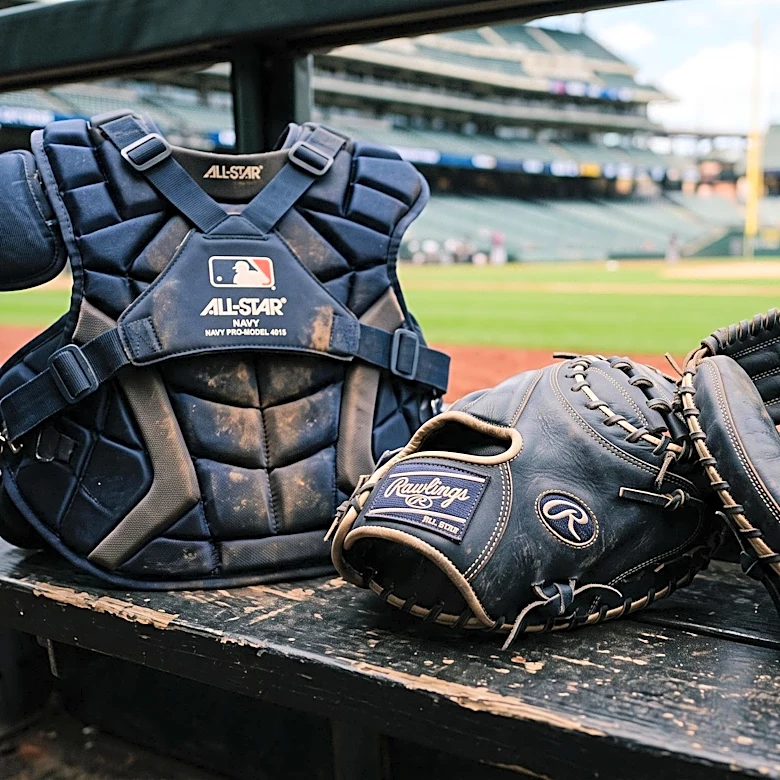
The Seattle Mariners are grappling with budget considerations and the need for quality backup at the catcher position following Cal Raleigh's challenging 2026 season. After relying heavily on Raleigh for four seasons, his performance in 2026 highlighted
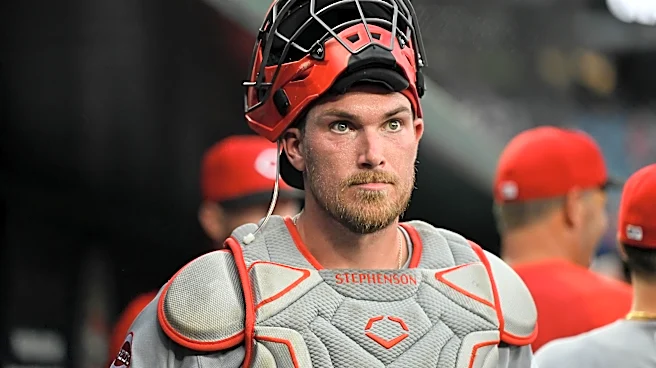
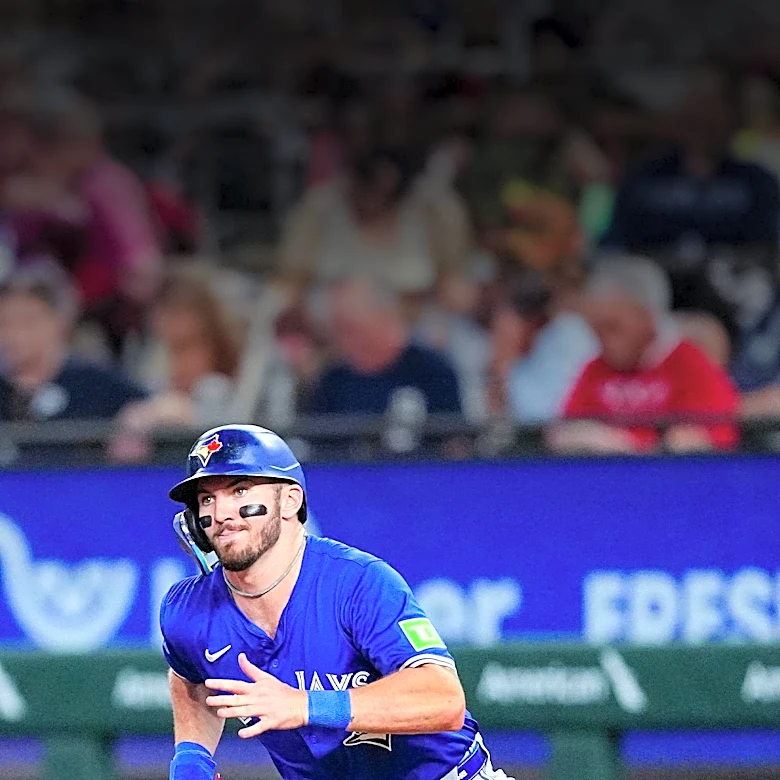
the necessity for a reliable secondary catcher. This situation has led to speculation about the Mariners potentially signing Tyler Stephenson, a long-time Cincinnati Red, as a backup. However, Stephenson's reputation as a poor framer and his predicted two-year, $15 million contract raise budget concerns. The Mariners are also looking to make a significant free-agent signing, such as Seiya Suzuki, which would require substantial financial commitment. The team's projected 2027 spending is only $21 million higher than 2026, creating a tight budget for additional acquisitions.
Why It's Important?
This situation is important for the Seattle Mariners as it directly impacts their roster construction and competitive outlook. The need for a reliable backup catcher, coupled with budget constraints, forces the team to make strategic financial decisions. Investing in a backup like Tyler Stephenson, despite his hitting prowess, could be problematic due to his defensive weaknesses and the associated cost. This could divert funds from other critical areas or limit the team's ability to pursue high-impact free agents like Seiya Suzuki. The balance between addressing immediate roster needs and maintaining financial flexibility is crucial for the Mariners' long-term success and their ability to contend in a competitive league. The outcome of these decisions will shape the team's performance in upcoming seasons.
What's Next?
The Seattle Mariners will need to make critical decisions regarding their catcher depth and overall budget allocation in the upcoming offseason. They will likely evaluate potential backup catcher options, weighing performance, cost, and defensive capabilities. If financial constraints prove too tight, the team might give Jhonny Pereda another opportunity as the primary backup, as he is not arbitration-eligible until 2029. Simultaneously, the Mariners will continue to pursue their goal of signing a 'big fish' free agent like Seiya Suzuki, which will require careful budget management. The team's ability to navigate these financial and roster challenges will determine their competitiveness in the 2027 season and beyond, with potential implications for their long-term strategic planning.
Beyond the Headlines
The Mariners' dilemma highlights a common challenge faced by many MLB teams: balancing the need for depth and quality at every position with strict budget limitations. The reliance on a single star player, like Cal Raleigh, can expose vulnerabilities when that player underperforms or needs rest, underscoring the importance of a robust supporting cast. The debate over signing a player like Tyler Stephenson, who offers offensive upside but defensive liabilities, also reflects the ongoing analytical discussions in baseball about player value and how different skill sets contribute to team success. This situation could lead to innovative approaches in player development or trade strategies if traditional free-agent signings prove too costly, pushing teams to find value in less obvious places to optimize their roster within financial constraints.