









What's Happening?
International Paper is highlighting the advantages of dual stream recycling, a collection method that requires businesses to separate recyclable materials into distinct streams before collection. Typically, paper and cardboard are collected separately
from containers like plastic, glass, and metal. This approach, which relies on source separation, aims to improve material quality and reduce contamination. According to International Paper, keeping paper products separate from other recyclables prevents them from being damaged by liquids, food residue, or broken glass. This results in cleaner paper streams, easier recovery of fiber-based materials, and more consistent sorting practices. Dual stream recycling is particularly beneficial for commercial operations that generate large, consistent volumes of paper and corrugated packaging, such as warehouses, distribution centers, manufacturers, and retail operations.
Why It's Important?
The adoption of dual stream recycling by businesses can significantly impact the efficiency and economic viability of the recycling industry. By reducing contamination at the source, the quality of recycled materials improves, making them more valuable and easier to process into new products. This enhanced material quality can lead to economic advantages for businesses through potentially higher rebates for cleaner recyclables and reduced waste disposal costs. For the broader recycling infrastructure, cleaner streams mean less sorting effort and lower operational costs at recycling facilities. This method also supports the circular economy by ensuring that more materials, especially fiber-based products, can be effectively recovered and reused, aligning with growing environmental sustainability goals and corporate social responsibility initiatives.
What's Next?
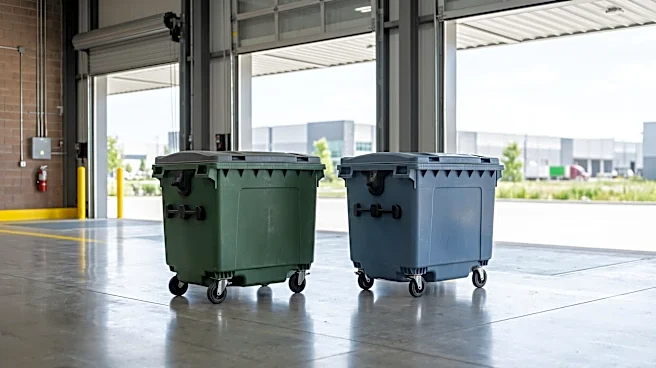
Businesses considering or implementing dual stream recycling will need to focus on effective planning and employee participation. This includes clearly labeling collection containers, providing comprehensive training to employees on proper material separation, and ensuring adequate space for multiple bins. Regular monitoring of contamination levels and periodic reviews of collection needs will be crucial for optimizing performance. As more businesses adopt this method, there may be an increased demand for specialized collection services and infrastructure capable of handling separated streams. The success of dual stream recycling will depend on consistent adherence to sorting protocols at the point of generation, which can lead to more efficient material recovery and a stronger market for recycled goods.
Beyond the Headlines
The emphasis on dual stream recycling reflects a broader industry shift towards higher quality feedstock for manufacturing, driven by both economic incentives and environmental mandates. While single-stream recycling offered convenience, it often led to higher contamination rates, diminishing the value and usability of recycled materials. Dual stream represents a return to a more disciplined approach, highlighting the critical role of consumer and business behavior in the success of recycling programs. This method also underscores the ongoing challenge of balancing convenience with effectiveness in waste management. The push for cleaner streams could also spur innovation in recycling technologies and material science, as manufacturers seek to utilize higher-quality recycled content in their products, further closing the loop in the circular economy and reducing reliance on virgin resources.