


What's Happening?
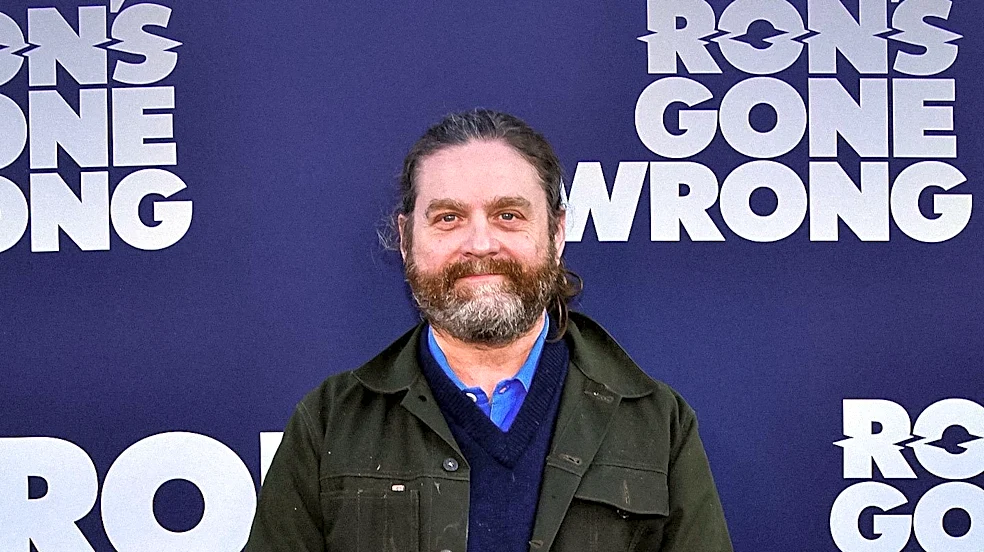
Filmmaker Judd Apatow revealed details about a comedy screenplay he developed for several years, which ultimately went unproduced. The project, intended to star Zach Galifianakis, delved into the complex themes of humor, offensiveness, and cancel culture.
Apatow indicated that the script was highly tailored to a specific actor, and when that casting fell through, the movie could not be made with anyone else. This aligns with earlier reports from May 2024, which stated that Universal Pictures passed on an R-rated comedy starring Galifianakis as a 'quasi-canceled' comic actor, leading to Galifianakis's departure from the project. Apatow's comments suggest that the film's edgy premise, focusing on the boundaries of comedy, contributed to its difficulty in securing production. The filmmaker has a long-standing interest in comedians and the evolving landscape of humor, having previously commented on cancel culture controversies involving figures like Shane Gillis, Louis C.K., and Aziz Ansari.
Why It's Important?
This unproduced project highlights the challenges faced by creators in navigating the evolving cultural landscape, particularly concerning humor and social sensitivities. Apatow's experience underscores how the 'cancel culture' phenomenon can impact creative endeavors, even for established filmmakers. The film's premise, exploring 'what’s funny and what’s offensive,' reflects a broader societal debate about artistic freedom versus accountability. The inability to produce a film on such a timely and relevant topic, especially with a prominent director and actor attached, suggests a cautious environment within the entertainment industry. It also raises questions about whether studios are becoming more risk-averse when it comes to content that might be perceived as controversial, potentially limiting the exploration of complex social issues through comedy. The situation could influence future creative decisions, leading to self-censorship or a preference for less provocative themes in mainstream productions.
What's Next?
While the specific project with Zach Galifianakis remains unproduced, Apatow continues his work in exploring the world of comedy through other avenues. His recent documentaries, 'Norm: The Tale of Norm Macdonald' and 'Paralyzed by Hope: The Maria Bamford Story,' demonstrate his ongoing fascination with comedians and their craft. The discussion surrounding the canceled film may reignite conversations within the industry about the role of comedy in addressing sensitive topics and the balance between artistic expression and public reception. It is possible that elements or themes from the unproduced script could resurface in future projects by Apatow or other creators, as the debate around cancel culture and the limits of humor continues to be a significant cultural talking point. The incident serves as a case study for how evolving social norms can directly influence the greenlighting and production of creative works.
Beyond the Headlines
The story of Apatow's unproduced film delves into the deeper implications of how societal shifts, particularly the rise of cancel culture, are reshaping the creative process and the types of stories deemed acceptable for mainstream consumption. It highlights a tension between the traditional role of comedy to push boundaries and provoke thought, and the increasing demand for social responsibility and sensitivity. The difficulty in casting a specific actor for a role exploring 'quasi-cancellation' suggests a potential reluctance among performers to associate with such themes, fearing backlash or career repercussions. This situation could lead to a chilling effect on artistic expression, where creators and actors might shy away from controversial subjects to avoid potential negative consequences. The incident also underscores the economic realities of filmmaking, where perceived risk can outweigh artistic merit, leading to projects being shelved despite their potential to contribute to important cultural dialogues. The long-term impact could be a more homogenized entertainment landscape, less willing to engage with challenging or divisive topics.