








What's Happening?
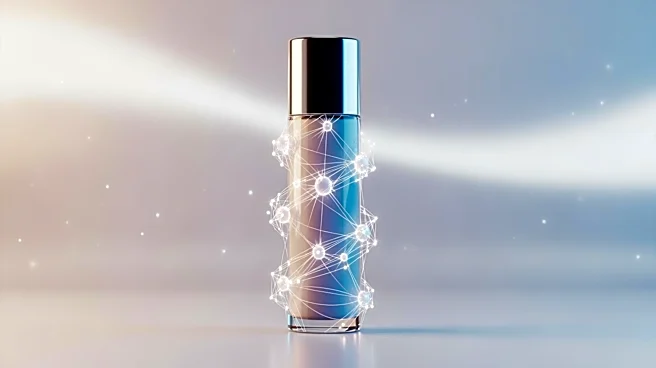
L'Oréal has showcased a series of groundbreaking artificial intelligence (AI) and science-driven innovations at VivaTech 2026, an annual technology event held in Paris. Celebrating its tenth anniversary at the event, L'Oréal introduced its 'Beauty Odyssey',
a theme that highlights the company's commitment to integrating science, AI, and data into its business model. Guive Balooch, Global VP of Tech and Open Innovation at L'Oréal, emphasized the company's focus on these technological advancements as key drivers for the future of the beauty industry. The event, which runs from June 17 to June 20, gathers global companies to present cutting-edge technology, with L'Oréal positioning itself as a leader in beauty technology.
Why It's Important?
L'Oréal's focus on AI and science-driven innovations signifies a major shift in the beauty industry towards technology integration. This move could redefine how beauty products are developed, marketed, and personalized for consumers. By leveraging AI, L'Oréal aims to enhance product efficacy and customer experience, potentially setting new industry standards. This technological advancement could lead to increased competition among beauty brands to adopt similar innovations, ultimately benefiting consumers with more personalized and effective beauty solutions. The emphasis on data and AI also reflects broader industry trends towards digital transformation, impacting how companies engage with consumers and manage operations.
What's Next?
As L'Oréal continues to integrate AI and data into its business model, other beauty companies may follow suit, leading to a wave of technological adoption across the industry. This could result in more personalized beauty products and services, as well as new business models centered around technology. Stakeholders, including investors and consumers, will likely monitor L'Oréal's progress and the impact of these innovations on market dynamics. Additionally, regulatory bodies may need to address new challenges related to data privacy and AI ethics as these technologies become more prevalent in the beauty sector.
Beyond the Headlines
The integration of AI in the beauty industry raises important ethical and cultural considerations. As companies like L'Oréal use AI to personalize beauty products, issues of data privacy and consumer consent become increasingly significant. Furthermore, the reliance on AI could influence cultural perceptions of beauty, potentially reinforcing certain beauty standards. Companies will need to navigate these challenges carefully to ensure ethical use of technology while promoting inclusivity and diversity in beauty offerings. Long-term, the success of AI-driven innovations will depend on balancing technological advancements with ethical considerations and consumer trust.