




What's Happening?
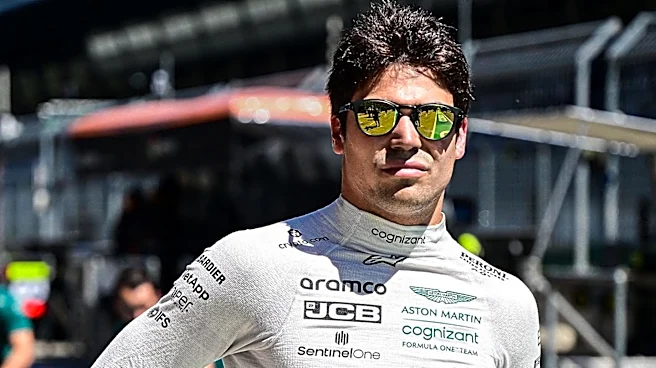
Formula 1 fans are orchestrating a social media campaign to collectively vote Lance Stroll as 'Driver of the Day' at the upcoming Mexican Grand Prix. This initiative is gaining traction across platforms like Instagram and TikTok, with posts encouraging
fans to vote for Stroll regardless of his actual performance during the race. The 'Driver of the Day' award allows fans to vote online for the F1 star they believe had the best race. This is not the first time such an attempt has been made to influence the fan vote for drivers who are not typically contenders for the award. Previous attempts for Nikita Mazepin in 2021 and Nicolas Latifi in 2022 did not succeed. Stroll has previously won the award once, at the 2017 Azerbaijan Grand Prix, where he finished third for Williams, becoming the second-youngest podium sitter.
Why It's Important?
This organized fan campaign highlights a growing trend of fan engagement influencing official F1 accolades, potentially undermining the intended purpose of the 'Driver of the Day' award, which is to recognize genuine on-track excellence. If successful, it could set a precedent for future fan-driven interventions in other fan-voted awards within sports, potentially turning them into popularity contests or ironic gestures rather than merit-based recognitions. For Lance Stroll, while it might bring him an award, it could also be perceived as an embarrassing mockery, drawing attention to his performance rather than celebrating it. For F1, it raises questions about the integrity and future of fan-voted awards, and whether mechanisms need to be in place to prevent such organized 'hijackings' that detract from the sport's competitive spirit.
What's Next?
The success or failure of this campaign will be determined during the Mexican Grand Prix. If Lance Stroll wins 'Driver of the Day' due to the organized fan effort, it could lead to further discussions within Formula 1 regarding the voting system and the criteria for such awards. It might prompt F1 to review its fan engagement strategies and potentially implement changes to ensure the award remains a genuine reflection of on-track performance. Conversely, if the campaign fails, it might deter similar large-scale attempts in the future. Regardless of the outcome, the event will likely spark further debate among fans and pundits about the role of fan voting in professional sports and its potential for both positive engagement and unintended consequences.
Beyond the Headlines
Beyond the immediate outcome of the Mexican Grand Prix's 'Driver of the Day' award, this campaign touches upon broader themes of digital activism and collective action in the age of social media. It demonstrates how online communities can mobilize to influence outcomes in various domains, even in seemingly trivial matters like a sports award. This phenomenon can be viewed as a form of 'gamification' of fan engagement, where the act of voting becomes a game in itself, detached from the original intent. It also reflects a certain level of fan disillusionment or desire for entertainment beyond the championship race, especially as the 2026 F1 Drivers' championship is largely decided. The campaign could also be interpreted as a form of ironic commentary on the perceived performance of certain drivers or teams, using the voting mechanism to express a collective sentiment.