



What's Happening?
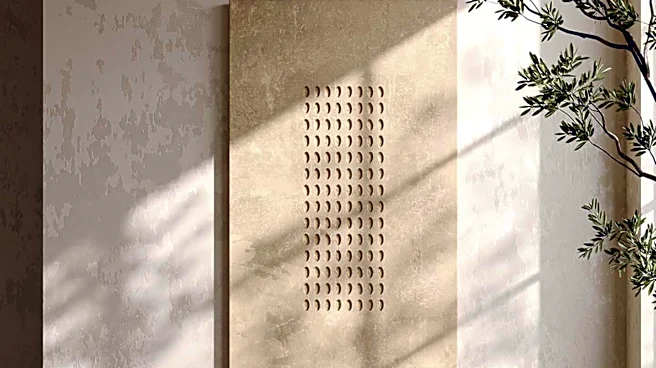
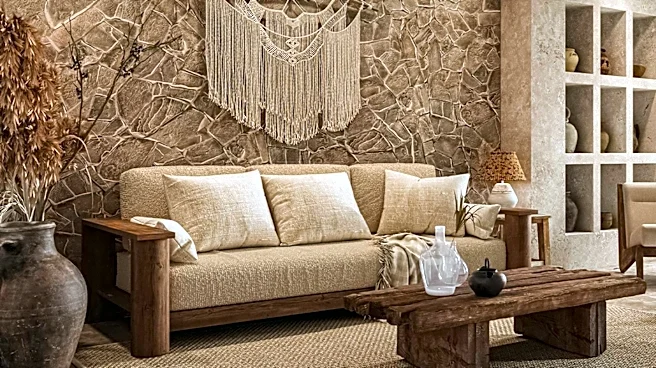
Wabi-sabi, an ancient Japanese philosophy that finds beauty in imperfection, impermanence, and the natural aging process, is increasingly influencing interior design. This aesthetic prioritizes textured, handcrafted surfaces over smooth, manufactured
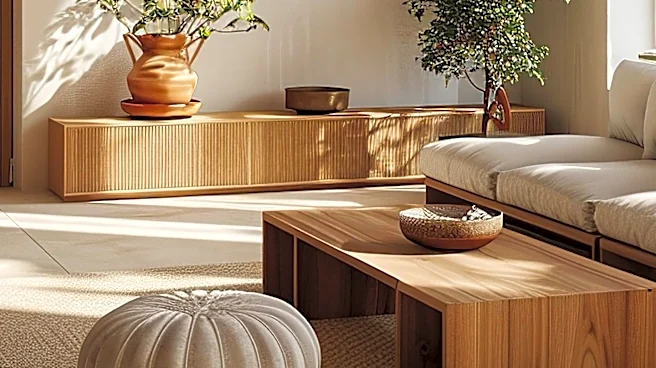
finishes, and utilizes muted, earthy color palettes such as clay, sand, charcoal, warm white, and moss green. Natural materials like raw stone, reclaimed wood, unbleached linen, and handmade ceramics are central to this style. Unlike sterile minimalism, wabi-sabi embraces asymmetry and irregularity, favoring fewer, more meaningful objects that tell a story rather than decorative abundance. The philosophy encourages valuing items that show signs of time and wear, promoting authenticity and history in living spaces. This approach is being adopted globally, with designers incorporating its principles to create warm, inhabited, and deeply personal environments.
Why It's Important?
The growing adoption of wabi-sabi in interior design signifies a broader cultural shift away from mass-produced perfection towards authenticity and emotional connection in living spaces. This trend impacts the U.S. design industry by fostering demand for handcrafted goods, natural materials, and sustainable practices. Consumers are increasingly seeking homes that feel grounded and real, moving beyond 'cookie-cutter' aesthetics. This shift can benefit artisans and local craft industries, as the emphasis on unique, imperfect items encourages the use of traditional techniques and materials. Furthermore, the philosophy's focus on natural textures and muted colors can contribute to creating more calming and less anxiety-inducing environments, potentially influencing mental well-being and promoting a more mindful approach to home decor. The rejection of rigid symmetry and flawless finishes challenges conventional notions of luxury and beauty, making design more accessible and relatable.
What's Next?
The continued integration of wabi-sabi principles is expected to shape future interior design trends, with a focus on sustainable and ethically sourced materials. Designers will likely explore more localized interpretations of wabi-sabi, adapting its core tenets to regional materials and craftsmanship. This could lead to a rise in demand for bespoke furniture, custom-made ceramics, and textiles that highlight natural fibers and traditional weaving techniques. The philosophy's emphasis on longevity and the beauty of aging objects may also encourage consumers to invest in higher-quality, durable pieces rather than frequently replacing items. Furthermore, the wellness dimension of wabi-sabi, which suggests that imperfect homes contribute to better mental health, could drive its adoption in residential and commercial spaces aiming to create serene and restorative environments. Educational initiatives and design workshops focusing on wabi-sabi principles may also become more prevalent.
Beyond the Headlines
Beyond its aesthetic appeal, the wabi-sabi philosophy carries deeper ethical and cultural implications. It challenges the consumerist drive for newness and perfection, encouraging a more sustainable and appreciative relationship with material possessions. By valuing the worn and the aged, wabi-sabi promotes a sense of history and continuity, fostering a connection to the past and reducing waste. This philosophy can also be seen as a counter-narrative to the curated, often unrealistic, perfection portrayed on social media, offering a liberating perspective that embraces flaws as integral to beauty. Culturally, it encourages a mindful approach to living, where objects are cherished for their stories and imperfections rather than their pristine condition. This shift could lead to a re-evaluation of what constitutes 'value' in design and everyday life, moving towards an appreciation of authenticity and the human touch.