





What's Happening?
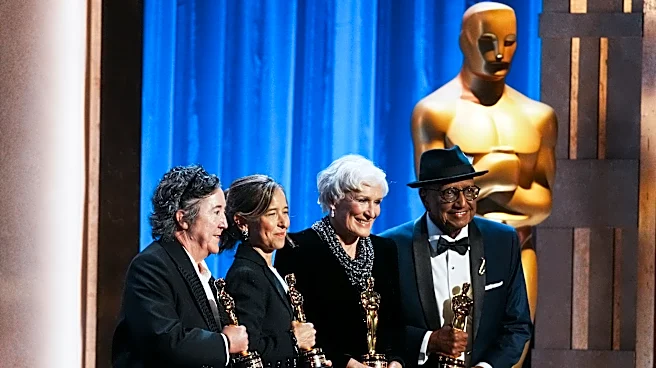
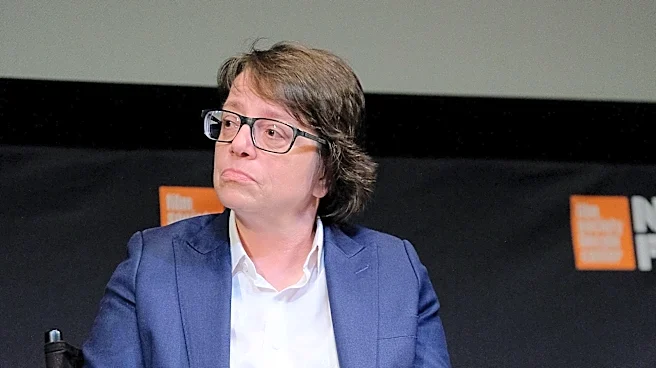
Christine Vachon and Pamela Koffler, co-founders of the independent film company Killer Films, have been honored with the Academy of Motion Picture Arts and Sciences (AMPAS) Irving G. Thalberg Memorial Award. This prestigious award recognizes creative
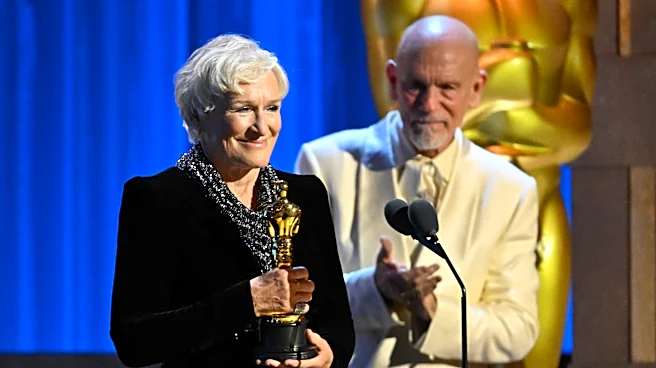
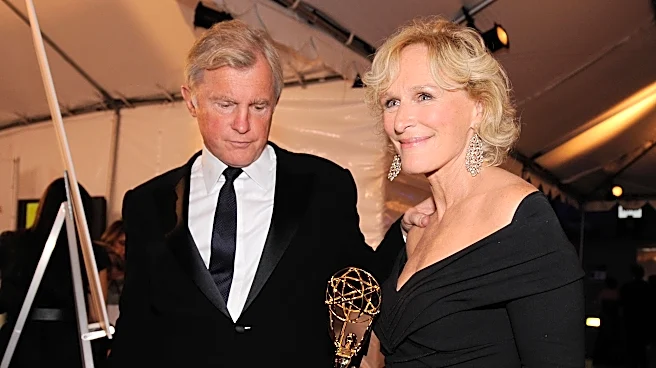
producers whose body of work consistently demonstrates high-quality motion picture production. Vachon and Koffler are the first all-female producing team to receive this accolade. They were recognized at the 17th Governors Awards event in Hollywood, California, alongside Honorary Oscar winners Glenn Close, Ridley Scott, and Floyd Norman. Director Todd Haynes and actor Julianne Moore introduced the duo, celebrating their partnership and significant impact on independent cinema. Killer Films, founded in 1995, has produced numerous acclaimed independent films over two decades, including 'Far From Heaven,' 'Boys Don’t Cry,' and 'Still Alice.' The company's ethos has been to champion diverse voices and stories, often focusing on women, outcasts, and LGBT characters, while maintaining a pragmatic approach to ensure these films come to fruition.
Why It's Important?
The recognition of Christine Vachon and Pamela Koffler with the Irving G. Thalberg Memorial Award is a significant milestone for independent cinema and for women in the film industry. As the first all-female producing team to receive this honor, their achievement highlights a shift towards greater recognition of diverse leadership and creative contributions within Hollywood. Killer Films' consistent focus on groundbreaking narratives, particularly those featuring women, outcasts, and LGBT characters, has pushed boundaries and enriched the cinematic landscape. This award not only celebrates their past successes but also validates the importance of independent filmmaking in challenging conventional storytelling and fostering innovation. Their work has provided a platform for unique voices and perspectives that might otherwise be overlooked by mainstream studios, influencing a generation of filmmakers and audiences. The award underscores the critical role of creative producers in bridging artistic vision with practical execution, ensuring that impactful stories are brought to the screen.
What's Next?
The recognition of Vachon and Koffler is expected to further elevate the profile of independent filmmaking and potentially inspire more diverse talent to pursue careers in film production. Their continued involvement with Stony Brook University's MFA in Film program, where they serve as faculty, suggests an ongoing commitment to mentoring the next generation of filmmakers. This program, built in partnership with Killer Films, emphasizes real-world independent filmmaking, providing students with practical skills in scriptwriting, budgeting, casting, legal navigation, and film distribution. The increased visibility from this award could attract more students and resources to such programs, fostering a new wave of independent storytellers. Additionally, the precedent set by an all-female producing team receiving this award may encourage AMPAS and other industry bodies to continue recognizing and celebrating diverse contributions to cinema, potentially leading to more inclusive award selections in the future.
Beyond the Headlines
The award to Vachon and Koffler extends beyond a simple recognition of their filmography; it signifies a broader cultural shift in how the film industry values and defines success. Their dedication to telling 'different stories in different ways' with a focus on marginalized communities has not only produced critically acclaimed films but has also contributed to a more inclusive and representative cinematic canon. This challenges the traditional, often male-dominated, narratives that have historically defined Hollywood. The 'ethos' of Killer Films—championing voices they believe in with pragmatism—highlights a sustainable model for independent production that prioritizes artistic integrity and social relevance. This approach suggests that commercial success and critical acclaim are not mutually exclusive to films that explore complex social themes and diverse human experiences. Their legacy will likely encourage future filmmakers to prioritize authenticity and social impact, fostering a more diverse and meaningful film industry.