
What's Happening?
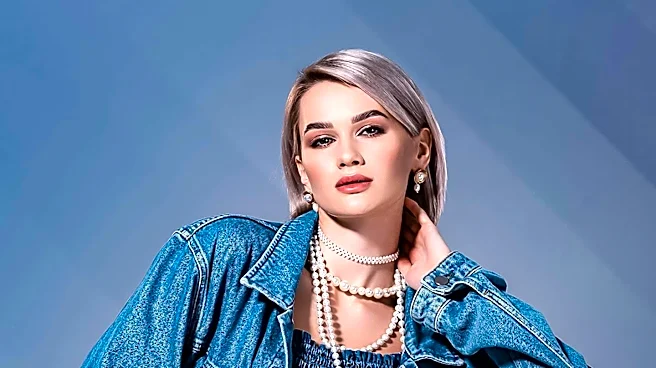
The 2026 jean trend is shifting towards easy, wearable denim, moving away from heavily distressed styles. Key elements of this trend include light blue washes, which are identified as the freshest option, and the emergence of earthy browns and khaki colors.
In terms of silhouettes, wide-leg and barrel shapes are expected to continue their popularity. The focus is on comfort and practicality, with vintage washes gaining prominence as they offer an aged look without relying on rips or excessive distressing. Brands like AMO Denim are noted for aligning with this direction, offering styles such as the 143 in Saltwater, a light blue straight-leg jean made from 100% cotton, and various light wash and barrel leg options. Medium washes remain versatile, while light washes are favored for warmer weather, often paired with simple shoes and fitted tops.
Why It's Important?
This shift in jean trends reflects broader consumer preferences for comfort, sustainability, and timeless style in the fashion industry. The emphasis on 'easy, wearable denim' suggests a continued move away from fast fashion's more ephemeral and often less durable trends. For U.S. retailers and denim manufacturers, understanding and adapting to these trends is crucial for maintaining market relevance and sales. The preference for vintage washes also highlights a growing consumer interest in products that offer longevity and a sense of history, potentially influencing production methods and marketing strategies. This trend could lead to increased demand for specific fabric treatments and cuts, impacting supply chains and design processes within the apparel sector. Furthermore, the focus on natural tones like earthy browns and khaki might signal a broader aesthetic shift in casual wear.
What's Next?
As the 2026 jean trend gains momentum, consumers can expect to see a wider availability of light blue, earthy-toned, wide-leg, and barrel-shaped denim in retail stores. Denim brands will likely continue to innovate within these parameters, focusing on fabric development that enhances comfort and durability while achieving the desired washes. Marketing campaigns will probably highlight the 'wearable' and 'timeless' aspects of these new styles, appealing to a consumer base that values practicality and understated elegance. Designers may also explore new ways to incorporate vintage aesthetics without compromising on modern fit and feel. The trend could also influence accessory markets, as consumers seek complementary items that align with the relaxed yet refined denim look.
Beyond the Headlines
The evolution of jean trends often mirrors larger societal shifts. The move towards 'easy, wearable denim' could be interpreted as a reflection of a desire for simplicity and authenticity in a complex world. It also aligns with a growing consciousness around sustainable consumption, as vintage washes and durable styles inherently promote longevity over disposability. This trend might also signal a pushback against overly prescriptive fashion rules, allowing individuals more freedom in how they style their denim. The emphasis on comfort could also be a lasting impact of recent global events that prioritized home-based activities and casual attire. Ultimately, denim, as a staple of American fashion, continues to evolve, reflecting and shaping cultural values.