




What's Happening?
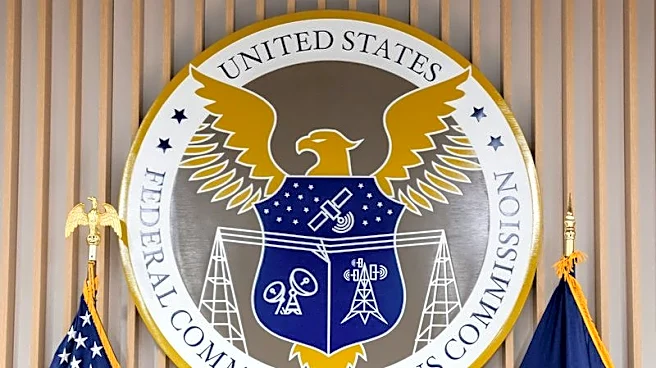
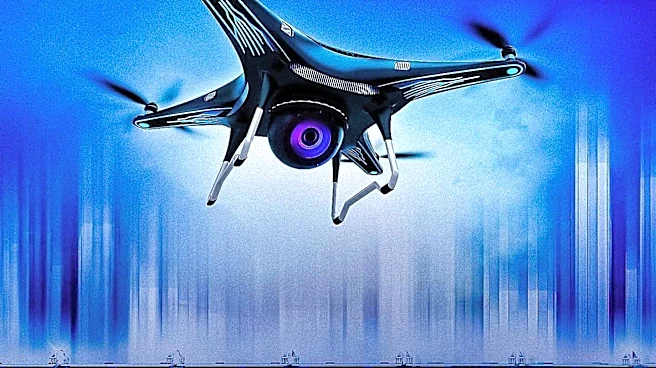
The Federal Communications Commission (FCC) is considering a proposal to ban certain DJI drones in the United States, specifically targeting models equipped with LiDAR obstacle avoidance or thermal cameras. This move follows a previous ban on new DJI drones and
cameras implemented last December. The FCC's proposal aims to remove 'military-grade' drones from the market, which could affect models like the DJI Air 3S, DJI Avata 360, DJI Mini 5 Pro, and DJI Mavic 3T. The ban would apply retroactively to drones already approved before the initial ban. DJI has expressed dissatisfaction with the proposal, arguing that their products were blacklisted without a proper security audit. The public can comment on the proposal until September 2.
Why It's Important?
The FCC's proposal could significantly impact the U.S. drone market, affecting various stakeholders, including safety agencies, small businesses, and farmers who rely on DJI equipment. The ban could lead to increased costs and challenges in upgrading equipment for these users. DJI argues that the proposal is a reversal of the FCC's previous stance and could limit the availability of current models in the U.S. market. The decision highlights ongoing concerns about national security and the use of foreign-made technology, potentially setting a precedent for future regulatory actions in the tech industry.
What's Next?
Stakeholders, including businesses and individuals who use DJI drones, are encouraged to participate in the public comment period to express their views on the proposal. The outcome of this period could influence the FCC's final decision. If the ban is implemented, it may prompt DJI and other drone manufacturers to adjust their product offerings to comply with U.S. regulations. The situation also raises questions about the balance between national security and technological innovation, which may lead to further discussions and policy developments in the tech sector.